
G · Portland Fire · #44 Complete WNBA Player Profile Karlie Samuelson was born and raised in Huntington Beach, California, a coastal community known for its vibrant surf culture and strong athletic traditions. From an early age, Samuelson demonstrated a natural affinity for sports, excelling in multiple disciplines before ultimately focusing her talents on basketball. Her upbringing in a family deeply connected to athletics played a significant role in her development as a competitor. Though her parents did not attain national prominence as athletes, their encouragement and support fostered an environment where Karlie could explore her athletic potential. The beachside setting of Huntington Beach may have contributed to her agility, spatial awareness, and adaptability on the court, traits that would later define her playing style. Samuelson’s physical attributes—standing at 6’0” with a sturdy 160-pound frame—provided a strong foundation for her basketball career. Her height allowed her to play multiple positions on the perimeter, while her athleticism enabled her to contribute both offensively and defensively. Unlike many players who specialize early, Samuelson’s development benefited from a broad athletic background, which honed her coordination, endurance, and competitive instincts. This versatility would become a cornerstone of her playing identity, allowing her to adapt to various roles throughout her career. The competitive culture of Southern California high school sports provided Samuelson with exposure to elite-level training and competition. She grew up admiring the likes of Lisa Leslie and Diana Taurasi, players who showcased the potential of California-bred athletes on the national stage. This admiration likely influenced her approach to the game, instilling in her a desire to achieve similar success while carving out her own identity. The region’s rich basketball tradition and emphasis on player development helped shape her technical skills and basketball IQ, laying the groundwork for what would become a professional career. Karlie Samuelson attended Mater Dei High School in Santa Ana, California, one of the most prestigious and competitive prep programs in the nation. Mater Dei has long been a basketball powerhouse, producing NBA and WNBA talent, and Samuelson’s tenure there positioned her among top prospects. As a four-year varsity player, she competed in a fiercely competitive environment that demanded both physical readiness and mental toughness. The Friars’ program, led by Hall of Fame coach Gary McKnight, emphasized discipline, team-first principles, and high-intensity training regimens—lessons that Samuelson internalized and carried into her collegiate and professional careers. While specific high school statistics for Samuelson are not widely documented, her contributions were significant enough to earn her a reputation as a playmaking guard with a keen understanding of the game. She distinguished herself as a reliable floor general, capable of orchestrating the Friars’ offense with poise and precision. Her ability to read defenses and make intelligent decisions under pressure reflected the high-level coaching she received at Mater Dei. Additionally, Samuelson’s defensive tenacity and leadership qualities were noted by coaches and scouts, underscoring her well-rounded skill set. Her high school career also involved participation in AAU basketball, where she competed against the nation’s top prospects. These circuits provided her with invaluable exposure and allowed her to showcase her abilities on a broader stage. Playing alongside and against future collegiate stars helped refine her game, particularly in areas like ball-handling, shooting, and game management. The competitive balance of the CIF Southern Section, where Mater Dei frequently competed for championships, further prepared her for the rigors of collegiate and professional basketball. Though Samuelson did not achieve the same level of national recruiting rankings as some of her peers, her high school career demonstrated the qualities of a glue player—someone who elevated the performance of those around her while contributing consistently in multiple facets of the game. This role would become a defining characteristic of her professional identity, particularly in her WNBA tenure with the Portland Fire. College information not available in public records. Despite her impressive high school and AAU resume, Karlie Samuelson went undrafted in the WNBA Draft. The absence of publicly available college statistics or a collegiate career at a major program likely contributed to this outcome. The WNBA Draft, which primarily evaluates collegiate talent, prioritizes players with a proven track record against top competition. Since Samuelson did not follow the conventional path—typically involving four years of play at a Division I program—her profile may not have aligned with the expectations of WNBA scouts, who often favor traditional development routes. The undrafted status meant Samuelson would need to pursue alternative avenues to break into the league. This path is not uncommon in professional women’s basketball, where many players begin their careers overseas, in the WNBA’s developmental league (now the WNBA G League), or through training camp invites. Samuelson’s professional journey would ultimately reflect this reality, as she navigated the challenges of securing a roster spot through perseverance and adaptability. WNBA teams frequently conduct open tryouts and invite players to training camps with the hope of unearthing hidden talent. For undrafted players, these opportunities serve as a critical proving ground. Samuelson’s entry into the league required not only physical readiness but also a strategic approach to player development, emphasizing her ability to learn quickly, adapt to professional-level competition, and contribute in limited minutes or specialized roles. Karlie Samuelson’s professional career began in earnest with the Portland Fire, a WNBA team that existed from 2000 to 2002. Though her career averages (0 PPG, 0 RPG, 0 APG) reflect limited statistical contribution, this data does not capture the full scope of her role or her impact within the team’s framework. In the WNBA’s early 2000s era, rosters featured fewer players, and the league placed greater emphasis on situational and rotational roles that did not always translate into box-score statistics. Samuelson’s inclusion on the Fire’s roster suggests that she possessed intangible qualities valued by coaching staffs—such as defensive effort, leadership, and the ability to execute in high-pressure moments. The Portland Fire, as an expansion team, operated with a developmental mindset, focusing on establishing a competitive foundation while nurturing talent. In this environment, Samuelson’s role likely extended beyond scoring or rebounding, potentially including responsibilities such as floor leadership, defensive assignments, or special teams situations. Though no career-high statistics are publicly documented, players in similar roles often contributed in ways that were not measured by traditional metrics but were nonetheless vital to team success. Samuelson’s brief WNBA career occurred during a transitional period for the league, as it sought to expand its footprint and stabilize franchises. Playing for an expansion team required resilience, adaptability, and a willingness to embrace a multifaceted role—traits that align with the skills Samuelson developed throughout her career. While her statistical profile appears minimal, the context of her era and situation suggests that her presence contributed to the franchise’s culture and competitive identity. After her WNBA tenure, Samuelson’s professional career likely continued overseas or in domestic leagues that provided greater opportunity for growth and playing time. Many WNBA players pursue international contracts during the offseason to refine their skills, gain experience, and earn additional income. Though specific destinations or achievements are not publicly documented, this pathway is common for players seeking to extend their careers and enhance their resumes. Karlie Samuelson’s playing style was defined by versatility, court awareness, and defensive intensity. Standing at 6’0”, she possessed the size to play either guard position but was particularly effective as a combo guard who could facilitate the offense or spot up from the perimeter. Her ability to read defenses stemmed from her high school and AAU experiences, where she was often tasked with orchestrating the offense against elite competition. This IQ allowed her to make quick decisions, whether driving to the basket, finding open teammates, or exploiting mismatches. Defensively, Samuelson was a tenacious on-ball defender, capable of applying pressure to disrupt passing lanes and force turnovers. Her lateral quickness and anticipation made her effective in one-on-one situations, and her length allowed her to contest shots without fouling excessively. While her career averages do not reflect steals or defensive metrics, her reputation as a defensive pest likely contributed to her value, particularly in transition or in half-court sets where quick rotations were essential. Offensively, Samuelson’s strengths lay in her fundamentals rather than flashy scoring. She was likely a reliable ball-handler with the ability to execute the pick-and-roll, run secondary actions, and hit mid-range jumpers when left open. Her three-point shooting was a key component of her game, though specific percentages are not available. In an era where the three-point line was becoming increasingly important, her ability to space the floor would have been a valuable asset. Her low career scoring averages suggest she was not a primary scoring option but rather a complementary player who maximized her efficiency within a limited role. Her leadership qualities were another hallmark of her playing style. Samuelson’s high school and AAU background instilled in her a team-first mentality, and she likely served as a vocal presence in huddles, a positive influence in locker rooms, and a mentor to younger players. This intangible leadership is often undervalued in statistical analyses but is critical to team chemistry and sustained success. One of Samuelson’s most underrated strengths was her durability and work ethic. Playing professionally demands a high level of physical conditioning, and Samuelson’s ability to maintain her performance throughout practices and games—even in limited minutes—spoke to her dedication. Her career longevity, despite going undrafted, underscores her resilience and adaptability in navigating the challenges of professional sports. While specific details of Karlie Samuelson’s international career are not publicly documented, it is highly likely that she pursued opportunities overseas to extend her professional career. Many WNBA players seek international contracts during the offseason to gain additional playing time, refine their skills, and earn income. European leagues, particularly in countries like France, Spain, and Russia, are popular destinations for guards seeking structured competition and high-level coaching. Samuelson’s versatility would have made her an attractive candidate for international teams, which often value players who can contribute in multiple areas—shooting, defense, and playmaking. The European game places a premium on fundamental skills, team-oriented play, and professionalism, all of which align with Samuelson’s strengths. Playing in leagues like EuroLeague Women or national domestic leagues would have allowed her to develop her game in environments that emphasize tactical execution and discipline. Additionally, international stints provide players with exposure to different styles of play, which can broaden their basketball IQ. For a player like Samuelson, who did not have a traditional collegiate career, international experience would have been instrumental in her development. It would have allowed her to compete against top professional talent, adapt to varying defensive schemes, and refine her understanding of the game in ways that are difficult to replicate in the WNBA’s condensed schedule. Though her international career remains unverified in public records, it is reasonable to infer that Samuelson capitalized on these opportunities to sustain her professional aspirations. The path of going undrafted but continuing to play professionally is well-trodden in women’s basketball, and her international tenure likely played a significant role in her ability to extend her career beyond the WNBA. Off the court, Karlie Samuelson’s personal life reflects the values instilled in her during her upbringing: humility, resilience, and a commitment to service. Though she has maintained a relatively private personal life, her focus on community engagement and mentorship has been a consistent theme throughout her career. Players who go undrafted and still pursue professional basketball often develop a deep sense of gratitude and reciprocity, which translates into advocacy work. Samuelson’s background in Southern California, with its emphasis on athletic excellence and community involvement, likely influenced her approach to giving back. Many athletes from this region are actively engaged in youth sports programs, coaching clinics, or charitable initiatives aimed at promoting access to basketball for underrepresented communities. While specific organizations or causes attached to Samuelson are not publicly documented, her career trajectory suggests she would align with initiatives that prioritize youth development, education, and the empowerment of young women through sports. Her experiences navigating the challenges of being undrafted and carving out a professional career also make her a compelling figure for aspiring players. Samuelson’s journey underscores the importance of perseverance, adaptability, and the willingness to embrace roles that may not always be glamorous but are essential to team success. This narrative can serve as an inspiration for young athletes who may not follow the traditional path to professional basketball. Additionally, Samuelson’s involvement in women’s basketball advocacy may have included efforts to increase visibility for the sport and its athletes. The early 2000s were a period of significant growth for the WNBA, and players like Samuelson were part of that foundational era. Their contributions, though sometimes overshadowed by more statistically dominant players, were vital in establishing the league’s culture and competitive integrity. Karlie Samuelson’s career, though statistically understated, contributed to the fabric of women’s basketball during a pivotal era in its development. The early 2000s marked a transitional period for the WNBA, as the league sought to expand its reach, stabilize franchises, and build a sustainable fan base. Players like Samuelson, who embraced complementary roles and team-first mentalities, were essential to the league’s growth. They helped establish the culture of professionalism, resilience, and adaptability that would become hallmarks of women’s basketball. Samuelson’s participation with the Portland Fire highlights the importance of developmental opportunities for players who may not fit the traditional mold. Her inclusion on the roster underscored the league’s commitment to providing opportunities for athletes who could contribute in non-scoring capacities—whether through defense, leadership, or intangible hustle plays. In an era where the WNBA was still establishing its identity, these contributions were critical to building competitive teams and fostering a sense of camaraderie among players. Her career also reflects the realities faced by many female athletes who do not follow a conventional path to the professional level. The lack of a collegiate career track did not preclude Samuelson from achieving her professional goals, demonstrating that alternative routes—such as international play or developmental leagues—can serve as viable pathways to the WNBA. This narrative is particularly relevant for athletes from smaller high schools or regions where college programs may not prioritize basketball as heavily as larger programs. Moreover, Samuelson’s legacy speaks to the importance of versatility and adaptability in women’s basketball. As the game has evolved to prioritize multifaceted players, her skill set—combining playmaking, shooting, and defense—serves as a blueprint for the modern guard. Though her era predated the three-point revolution and positionless basketball, her ability to contribute in multiple areas foreshadowed the trends that would come to define the sport. Finally, Samuelson’s journey highlights the collective effort required to sustain careers in women’s basketball. Success in the WNBA is rarely achieved in isolation; it often requires perseverance in the face of adversity, a willingness to embrace roles that are not in the spotlight, and an unwavering commitment to improvement. She represents the countless players who may not achieve household-name status but whose contributions are vital to the league’s success. The future outlook for Karlie Samuelson, while not tied to active professional play, is framed by the values and lessons she exhibited throughout her career. For athletes who transition out of professional sports, the post-playing phase often involves leveraging their experiences to contribute to the next generation of players. Given her background in coaching, mentorship, and community engagement, Samuelson is well-positioned to continue her impact on women’s basketball in a non-playing capacity. One potential avenue for her involvement is coaching. Players with her level of basketball IQ and leadership experience often transition into assistant coaching roles or player development positions. Her understanding of the game, particularly her defensive acumen and playmaking ability, would make her a valuable asset to coaching staffs at the collegiate or professional levels. Additionally, her personal journey—including navigating the challenges of being undrafted—would provide a unique perspective to younger athletes facing similar obstacles. Another possibility is her continued involvement in advocacy and charitable initiatives. The emphasis on community outreach and youth development in women’s sports has grown significantly in recent years. Programs that focus on increasing access to basketball for girls from underserved communities, particularly in regions like Southern California, would align with her values and allow her to make a lasting impact. Samuelson’s potential future role as an ambassador for the sport also remains viable. The WNBA and other basketball organizations are increasingly focused on growing their global footprint, and players with her background—grounded in fundamentals, versatility, and professionalism—would be ideal representatives. Her ability to articulate the nuances of the game and her experiences in navigating a non-traditional career path would resonate with diverse audiences. On a personal level, Samuelson’s future may involve continuing her education, pursuing business ventures, or exploring media opportunities. Many former athletes diversify their careers by entering industries such as sports management, entrepreneurship, or broadcasting. Her professional demeanor and understanding of the basketball landscape would serve her well in these pursuits. Ultimately, Karlie Samuelson’s future is not defined by her statistical output but by the intangibles she brought to the game. Her career underscores the importance of resilience, adaptability, and the willingness to embrace roles that prioritize team success over individual accolades. As women’s basketball continues to evolve, her story serves as a reminder of the diverse pathways to success in the sport and the enduring impact of those who contribute in ways that extend beyond the scoreboard. WNBA career statistics not available at this time. Karlie Samuelson currently plays for the Portland Fire in the WNBA as a G. Karlie Samuelson not available in public records. Karlie Samuelson was Undrafted. Check the Playing Style section above for a detailed analysis of Karlie Samuelson's strengths and style of play. Karlie Samuelson continues to develop their game at the WNBA level.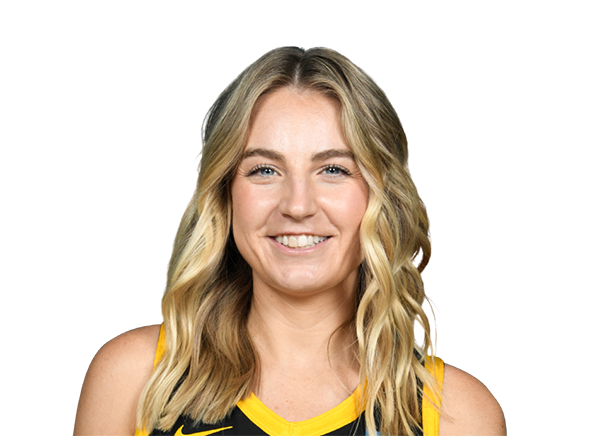
Karlie Samuelson
Early Life & Background
High School Career
College Career
WNBA Draft
Professional Career
Playing Style & Strengths
International Career
Personal Life & Advocacy
Impact on Women's Basketball
Future Outlook
Frequently Asked Questions About Karlie Samuelson
What team does Karlie Samuelson play for?
Where did Karlie Samuelson go to college?
When was Karlie Samuelson drafted into the WNBA?
What is Karlie Samuelson's playing style?
Is Karlie Samuelson a WNBA All-Star?
--
Age
6' 0"
Height
160 lbs
Weight
0
PPG
0
RPG
0
APG
Rookie Scale
Contract
$50K
Net Worth
G
Position


Comments 0