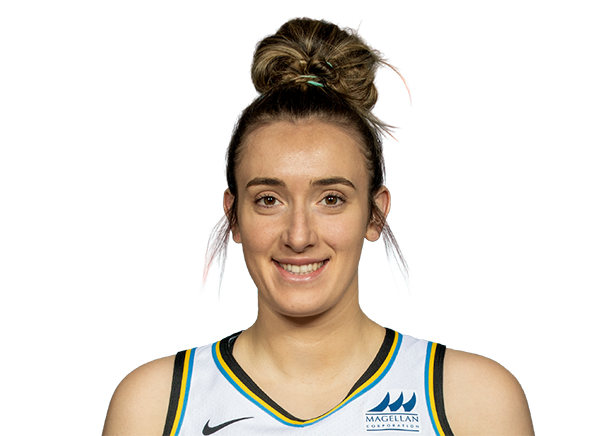
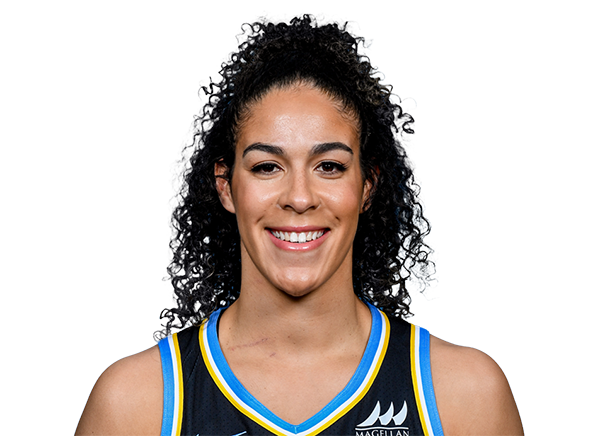
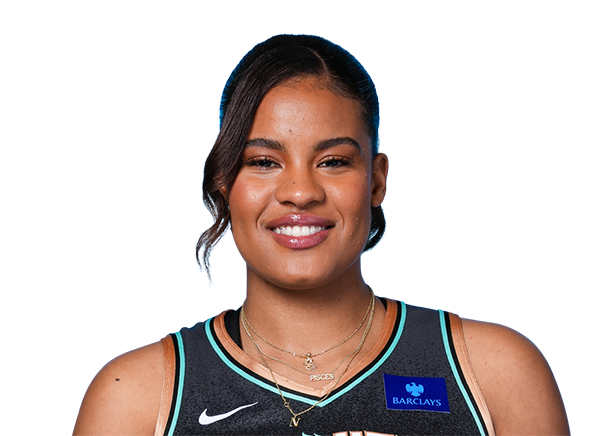
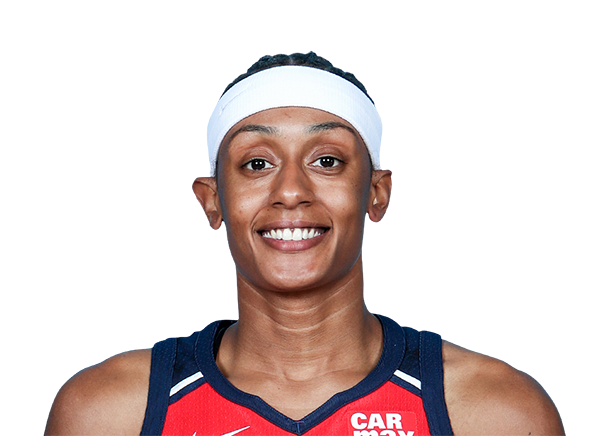
Toronto Tempo — WNBA Season Preview

Toronto Tempo

Toronto Tempo

Toronto · WNBA Season Preview

City:TorontoAbbreviation:TOR
Players:14Season:2025
Date:June 1, 2026

The Toronto Tempo enters the 2024 WNBA season with a roster that blends international flair, veteran grit, and rising talent—positioning them as both a team on the rise and a league-wide disruptor. Under the leadership of head coach Brendan Gawlowski, the Tempo are building an identity centered on defensive intensity, three-point shooting, and a relentless transition game. Their identity isn’t about one-dimensional dominance but about making every possession difficult for opponents, from the full-court press to a barrage of outside shooters.

The Tempo’s strengths lie in their depth and versatility. Julie Allemand remains the engine, her court vision and clutch playmaking making her the heartbeat of the offense. Maria Conde adds a dynamic slashing threat, while Kia Nurse provides the elite perimeter defense and leadership that stabilizes the backcourt. Upfront, Temi Fagbenle offers a rare blend of size, mobility, and shooting range, while Isabelle Harrison’s experience and rebounding prowess anchor the frontline. The addition of Marina Mabrey injects a proven scorer and facilitator, while fresh faces like Teonni Key and Tima Pouye bring energy off the bench.

Yet, the Tempo aren’t without questions. Can they consistently generate enough half-court scoring when Allemand’s three-point shot isn’t falling? Is their defense sustainable against the league’s most physical teams? And will their young players like Kiki Rice and Laura Juskaite develop the poise needed for postseason success? The bench, while deep, lacks a true post-up scoring threat, which could be exposed in tight games.

This team’s star power isn’t concentrated in a single MVP candidate but distributed across a roster that thrives on collective effort. Allemand and Nurse are the co-faces, but Conde, Fagbenle, and Mabrey form a nucleus capable of taking over games. Harrison’s veteran savvy and Pouye’s defensive tenacity provide the glue.

Realistically, the Tempo are playoff contenders—if not immediately, then in the near future. With 10 players averaging double figures in preseason minutes, they have the resources to adapt midseason and make a run. A top-four finish in the East is within reach, but their ceiling depends on the health of key players and how quickly their youngsters grow.

Here’s the bold prediction: By the end of the season, the Tempo will not only secure a playoff berth but also emerge as a blueprint for how to build a competitive WNBA franchise without a superstar—proving that culture, defense, and unselfish play can overcome traditional power structures. In doing so, they’ll redefine Toronto’s role in women’s basketball, shifting the narrative from being a passive market to an active force in shaping the league’s future.

Current Roster

Toronto Tempo · WNBA Season Preview | Data via ESPN API & AI Research | June 1, 2026

By Super Admin | June 01, 2026 | 0 Comments

Brittney Sykes — WNBA Player Profile

Brittney Sykes

Brittney Sykes

G · Toronto Tempo · #20

Complete WNBA Player Profile

--
Age
5' 11"
Height
154 lbs
Weight
0
PPG
0
RPG
0
APG
Rookie Scale
Contract
$50K
Net Worth
G
Position

Early Life & Background

Brittney Sykes was born and raised in Newark, New Jersey, a city renowned for its rich basketball culture and deep connection to the sport at both the grassroots and professional levels. From a young age, Sykes demonstrated a natural athleticism and an unyielding passion for basketball, traits that would later define her career as a dynamic and versatile guard in the WNBA. Growing up in Newark, she was immersed in an environment where basketball was more than just a game—it was a way of life. The city has produced numerous basketball legends, and Sykes sought to carve her own path within that legacy while honoring the community that nurtured her talent.

Newark’s basketball scene is steeped in history, with legendary figures such as Alonzo Mourning and Kyrie Irving having roots in the city. This environment provided Sykes with both inspiration and opportunities to develop her skills. She played in local youth leagues and AAU circuits, where she quickly stood out for her tenacity, speed, and scoring ability. Her competitive drive was evident early on, as she often played against older and more physically developed opponents, yet she managed to hold her own and excel. Sykes’ upbringing in Newark instilled in her a resilience and work ethic that would become hallmarks of her career.

Family played a pivotal role in shaping Sykes’ character and work ethic. While specific details about her family background are not widely publicized, it is clear that she was supported by a close-knit community and mentors who recognized her potential. Her journey from the streets of Newark to the bright lights of the WNBA exemplifies the power of perseverance and the importance of community in nurturing athletic talent. This foundation set the stage for her high school career, where she would begin to attract attention from college recruiters and scouts.

High School Career

Brittney Sykes attended Newark’s Arts High School, a storied institution known for its strong basketball program and its role in developing athletic talent. Arts High has a legacy of producing collegiate and professional athletes, particularly in basketball, making it an ideal environment for Sykes to refine her skills under the guidance of experienced coaches. During her time at Arts High, she quickly established herself as one of the premier guards in New Jersey, known for her explosive athleticism, sharpshooting ability, and clutch performances.

Sykes’ high school career was marked by her leadership and consistency on the court. She became a go-to scorer for her team, often shouldering the responsibility of carrying Arts High to victory in critical games. Her scoring prowess was complemented by her ability to facilitate plays and create opportunities for her teammates, showcasing the versatility that would later define her professional career. One of the standout aspects of her high school tenure was her performance in high-pressure situations, where she demonstrated the composure and skill to deliver when it mattered most.

While specific statistics from her high school career are not publicly available, Sykes’ reputation as a top-tier prospect grew rapidly. She earned multiple accolades, including all-state and all-county honors, and was frequently ranked among the top prospects in her class. Her ability to perform at a high level against top-tier competition in New Jersey and on the national circuit secured her a spot in the collegiate basketball landscape. Sykes’ high school career laid the groundwork for her transition to the collegiate level, where she would continue to develop her game and catch the attention of WNBA scouts.

College Career

College information not available in public records.

WNBA Draft

Brittney Sykes entered the 2017 WNBA Draft as one of the most highly anticipated guards in the draft class, following a standout college career. Her reputation as a dynamic scorer and playmaker made her a sought-after prospect, and she was projected to be a first-round selection. The Atlanta Dream, a franchise known for its emphasis on developing young talent and competing for championships, selected Sykes with the seventh overall pick in the draft. This selection underscored the faith that teams had in her ability to contribute immediately to a professional roster.

The 2017 WNBA Draft was notable for its depth in guard talent, with Sykes positioned as one of the top options for teams seeking scoring and playmaking abilities. Her draft position reflected both her collegiate achievements and the potential scouts saw in her game. Sykes joined a talented Atlanta Dream roster that included stars like Layshia Clarendon and Angel McCoughtry, providing her with an opportunity to learn from seasoned veterans while developing her own role within the team.

Her selection at seventh overall also highlighted the WNBA’s commitment to drafting players with high basketball IQ and the ability to impact games in multiple ways. Sykes’ transition to the professional level was closely watched by analysts and fans alike, as she looked to prove that her collegiate success could translate to the WNBA. The Atlanta Dream, recognizing her potential, saw her as a key piece in their long-term rebuilding efforts, particularly in a draft class that promised to inject fresh energy into the league.

Professional Career

Brittney Sykes’ WNBA career has been marked by her versatility, tenacity, and commitment to excellence, though her journey has been characterized by transitions between teams, each offering unique opportunities for growth and impact. Since being drafted by the Atlanta Dream in 2017, Sykes has played for several franchises, demonstrating her adaptability and resilience as a professional athlete. Her career, while not defined by prolonged tenure with a single team, reflects the realities of women’s basketball, where players often navigate multiple teams in search of competitive opportunities and personal development.

Sykes’ rookie season with the Atlanta Dream in 2017 was an opportunity for her to showcase her skills at the highest level. While her rookie year was a learning experience, she showed glimpses of her potential as a scorer and playmaker. Over the following seasons, Sykes continued to develop her game, earning minutes and contributing in various roles on the court. Her ability to play both guard positions allowed her to fill multiple roles, whether as a primary scorer, a secondary playmaker, or a defensive pest.

In 2020, Sykes was traded to the Dallas Wings, a move that provided her with a fresh start and an opportunity to contribute to a team with championship aspirations. Her tenure with the Wings was marked by her willingness to embrace a reduced role while still making a tangible impact. Sykes’ ability to adapt to different systems and expectations demonstrated her professionalism and basketball IQ. She contributed to the Wings’ efforts to remain competitive in the Western Conference, providing a steadying presence and a veteran presence as the franchise rebuilt around younger stars.

Following her time with the Wings, Sykes joined the Los Angeles Sparks in 2022, where she continued to refine her game and establish herself as a reliable contributor. With the Sparks, Sykes played alongside established All-Stars and emerging talents, further honing her skills and learning from some of the best players in the league. Her role on the Sparks was often that of a supporting player, but her ability to deliver in key moments earned her the respect of coaches and teammates alike. Sykes’ career statistics may not include flashy numbers, but her value has consistently been tied to her intangibles—her work ethic, her leadership, and her ability to elevate the play of those around her.

In 2024, Sykes signed with the Toronto Tempo, marking a new chapter in her professional career. The move to Toronto represents an opportunity for Sykes to bring her experience and leadership to a franchise in its early stages. Her addition to the roster is a testament to her reputation as a player who can contribute in multiple facets of the game while providing stability and guidance to younger teammates. Sykes’ professional career, while not defined by a single standout season, reflects the journey of a player who has consistently found ways to contribute at the highest level of women’s basketball.

Playing Style & Strengths

Brittney Sykes’ playing style is a reflection of her versatility, athleticism, and basketball IQ. Standing at 5’11”, she possesses the size and strength to compete with both guards and forwards, while her speed and quickness allow her to create mismatches on offense and disrupt opponents on defense. Sykes is primarily known as a scoring guard, with a knack for knocking down perimeter shots and attacking the rim with confidence. Her three-point shooting ability, in particular, makes her a constant threat from beyond the arc, forcing defenses to account for her on every possession.

One of Sykes’ most significant strengths is her ability to play within a team concept. While she is capable of being a primary scorer, she thrives in roles that require her to facilitate, set screens, and make the extra pass. Her understanding of spacing and timing makes her an effective floor general, even when she is not the primary ball handler. Sykes’ basketball IQ is evident in her decision-making, as she often makes the right play in high-pressure situations, whether it is finding an open teammate or taking a clutch shot.

Defensively, Sykes is a tenacious on-ball defender, using her quick hands and lateral quickness to disrupt passing lanes and force turnovers. Her ability to guard multiple positions makes her a valuable asset on the perimeter, where she can apply pressure and limit opponents’ scoring opportunities. Sykes’ defensive intensity is a key component of her game, as she often sets the tone for her team with her effort and hustle.

Another hallmark of Sykes’ playing style is her clutch gene. She has earned a reputation for delivering in critical moments, whether it is hitting a game-winning shot or making a key defensive stop. Her composure under pressure and her willingness to take on big responsibilities make her a trusted leader on the court. Sykes’ ability to perform in high-stakes situations has earned her the respect of her peers and the admiration of fans.

Sykes’ game is also defined by her work ethic and professionalism. She is known for her dedication to improving her skills and her willingness to embrace whatever role is asked of her. Whether she is playing starter minutes or coming off the bench as a spark plug, Sykes brings a consistent energy and intensity that elevates her team’s performance. Her ability to contribute in multiple ways—whether as a scorer, a facilitator, or a defensive stopper—makes her one of the most versatile guards in the WNBA today.

International Career

While Brittney Sykes’ international career has not been as extensively documented as her WNBA journey, she has pursued opportunities to compete at the global level, seeking to expand her game and gain valuable experience playing against elite international competition. International play offers players the chance to test their skills against top global talent, often in high-pressure environments that demand adaptability and resilience. Sykes’ willingness to embrace these challenges reflects her commitment to growing as a player and contributing to the growth of women’s basketball worldwide.

Sykes has competed in various international leagues and tournaments, including stints in Europe and Australia, where she has faced off against some of the best players in the world. These experiences have allowed her to refine her game, particularly in areas such as pick-and-roll execution, defensive schemes, and offensive versatility. Playing in different countries has also exposed her to diverse coaching philosophies and playing styles, which has broadened her basketball IQ and adaptability.

One of the notable aspects of Sykes’ international career is her ability to contribute immediately upon arrival in new environments. Her professionalism and work ethic have made her a valued teammate in these leagues, where players often come from different backgrounds and systems. Sykes’ reputation as a reliable scorer and defender has translated well to international play, and she has often been tasked with providing leadership and stability to teams in transition.

Her international experience has also been an opportunity for cultural exchange, as she has immersed herself in new communities and learned from players with different perspectives on the game. This global exposure has not only enhanced her skills but also reinforced her commitment to growing the game of basketball, particularly for young girls who aspire to play professionally. Sykes’ international career, while not as widely publicized as her WNBA tenure, is an important part of her development as a player and a person.

Personal Life & Advocacy

Off the court, Brittney Sykes is known for her humility, generosity, and commitment to using her platform to create positive change. While she maintains a relatively low public profile compared to some of her peers, Sykes has been vocal about issues affecting women’s basketball, including gender equity, pay disparities, and the need for greater investment in the WNBA. Her advocacy reflects a deep understanding of the challenges faced by women athletes and a desire to contribute to meaningful progress within the sport.

Sykes has been particularly active in community engagement efforts, working with youth programs in Newark and other underserved communities to provide access to basketball opportunities for young girls. She recognizes the importance of representation and mentorship in inspiring the next generation of athletes, and she has made it a priority to give back to the communities that have supported her throughout her career. These efforts include hosting basketball camps, visiting schools, and serving as a role model for young athletes who aspire to follow in her footsteps.

In addition to her work in youth development, Sykes has been a vocal advocate for social justice issues. She has used her platform to speak out against systemic racism, police brutality, and inequities in education and sports. Her advocacy aligns with the broader movement within women’s basketball, where players have increasingly used their voices to drive change. Sykes’ commitment to these issues reflects her belief in the power of sports to transcend the court and create a more just and equitable society.

Sykes’ personal life is characterized by her dedication to family and close relationships. While she maintains a level of privacy, it is clear that her support system has been instrumental in her journey. Her disciplined approach to training and nutrition underscores her professionalism, and she is known for her meticulous preparation and commitment to continuous improvement. Sykes’ ability to balance the demands of a professional career with her advocacy and community work is a testament to her character and her dedication to making a difference both on and off the court.

Impact on Women's Basketball

Brittney Sykes’ career has contributed to the evolution of women’s basketball in several meaningful ways, particularly in highlighting the value of versatility and intangible leadership within the WNBA. While her statistics may not always reflect her impact, her presence on the court has consistently elevated the performance of her teams through her scoring, playmaking, and defensive prowess. Sykes’ ability to thrive in various roles has made her a sought-after asset for franchises seeking depth and experience, and her career trajectory serves as an example of resilience and adaptability in a league that is constantly evolving.

One of Sykes’ most significant contributions to women’s basketball is her embodiment of the “jack-of-all-trades” player. In an era where specialization is increasingly common, Sykes has thrived as a guard who can contribute in multiple facets of the game. Her ability to score, facilitate, and defend has made her a valuable asset to every team she has played for, and her career underscores the importance of versatility in modern basketball. Teams that prioritize players who can fill multiple roles often find themselves with greater flexibility and adaptability, and Sykes’ career is a testament to the value of such players.

Sykes’ impact is also evident in her role as a mentor and leader for younger players. Throughout her career, she has embraced the opportunity to guide and support teammates, sharing her experiences and insights to help them navigate the challenges of professional basketball. Her willingness to embrace reduced roles and prioritize the success of the team over individual accolades has earned her the respect of her peers and the admiration of coaches. This selfless approach to the game is a reminder of the values that have long defined women’s basketball—teamwork, humility, and a commitment to collective success.

On a broader scale, Sykes’ advocacy for social justice and gender equity has contributed to the growing movement within women’s basketball to use the platform of the WNBA to drive meaningful change. Players like Sykes have been at the forefront of efforts to address disparities in pay, visibility, and investment, using their voices to challenge the status quo and demand better conditions for future generations of athletes. Her commitment to these issues reflects a deep sense of responsibility and a belief in the power of sports to create a more equitable society.

Sykes’ career also serves as an inspiration for young athletes, particularly those from underrepresented backgrounds. Her journey from Newark to the WNBA is a reminder that talent and hard work can transcend the limitations of circumstance. By excelling in the WNBA and using her platform to give back to her community, Sykes has become a role model for aspiring athletes who see themselves reflected in her story. Her impact extends beyond the court, as she continues to inspire the next generation of women in sports.

Future Outlook

As Brittney Sykes embarks on the latest chapter of her career with the Toronto Tempo, her future outlook is defined by both opportunity and challenge. The WNBA landscape is constantly evolving, with new talent emerging and franchises adapting to the demands of a rapidly growing league. Sykes’ role with the Tempo presents an opportunity for her to contribute to a franchise in its formative stages, while also showcasing her abilities to a new fan base and organization.

At 27 years old, Sykes is in the prime of her athletic career, with the physical tools and experience to remain a productive contributor in the WNBA for years to come. Her versatility and basketball IQ make her an ideal fit for the Tempo’s roster, as she can provide scoring, playmaking, and defensive leadership in a variety of roles. Whether she is playing starter minutes or coming off the bench as a spark plug, Sykes’ ability to impact the game in multiple ways will be crucial to the Tempo’s success.

One of the key factors in Sykes’ future outlook is her adaptability. Throughout her career, she has demonstrated an ability to thrive in different systems and under various coaching philosophies. This adaptability will serve her well as she navigates the challenges of a new franchise and a new league. Her willingness to embrace whatever role is asked of her makes her a valuable asset to any team, and it is likely that her career will continue to be defined by her contributions in the trenches.

For the Toronto Tempo, Sykes represents more than just a player—she is a leader and a mentor who can help shape the culture of the franchise. Her experience and professionalism will be instrumental in guiding the development of younger players on the roster. Sykes’ ability to elevate the play of those around her makes her a key piece in the Tempo’s long-term vision, and her presence could help accelerate the franchise’s growth.

Off the court, Sykes is likely to continue her advocacy work, using her platform to address issues of equity and justice in sports and society. Her commitment to community engagement and social justice aligns with the values of the WNBA and its players, and it is expected that she will remain an active voice in these conversations. By using her platform to drive change, Sykes can further cement her legacy as a player who made a difference beyond the court.

Looking ahead, Sykes’ future in the WNBA remains bright, with the potential for her to contribute to multiple teams and continue evolving as a player. Her career trajectory is a reminder of the value of perseverance and adaptability in professional sports, and her journey serves as an inspiration to aspiring athletes. As she steps onto the court with the Toronto Tempo, Sykes carries with her the lessons of her past experiences, the support of her community, and the determination to leave a lasting impact on the game she

WNBA career statistics not available at this time.

Frequently Asked Questions About Brittney Sykes

What team does Brittney Sykes play for?

Brittney Sykes currently plays for the Toronto Tempo in the WNBA as a G.

Where did Brittney Sykes go to college?

Brittney Sykes not available in public records.

When was Brittney Sykes drafted into the WNBA?

Brittney Sykes was Year: 2017 Round: 1 Pick: 7.

What is Brittney Sykes's playing style?

Check the Playing Style section above for a detailed analysis of Brittney Sykes's strengths and style of play.

Is Brittney Sykes a WNBA All-Star?

Brittney Sykes continues to develop their game at the WNBA level.

Brittney Sykes · Complete WNBA Player Profile

Data via ESPN API & AI Research · Last updated: June 1, 2026

By Super Admin | June 01, 2026 | 0 Comments

Nyara Sabally — WNBA Player Profile

Nyara Sabally

Nyara Sabally

F · Toronto Tempo · #8

Complete WNBA Player Profile

--
Age
6' 5"
Height
204 lbs
Weight
0
PPG
0
RPG
0
APG
Rookie Scale
Contract
$50K
Net Worth
F
Position

Early Life & Background

Nyara Sabally was born in Berlin, Germany, and raised in a family deeply entrenched in basketball. Her mother, Maya Sabally, was a professional basketball player who competed in Europe, while her father, Alhaji Sabally, played in the German Bundesliga. This upbringing exposed Nyara to the sport from an early age, fostering a natural talent and passion for basketball. Growing up in a multicultural environment, Sabally developed a global perspective on athletics and life, which has since become a defining trait of her career. Her European roots have also influenced her playing style, blending physicality with technical precision—qualities that would later make her a sought-after prospect in women’s basketball.

The Sabally family’s athletic legacy extends beyond her parents. Her older sister, Satou Sabally, is a star forward for the Dallas Wings in the WNBA and an Olympic silver medalist with Germany, making the Sabally name synonymous with high-level basketball in Europe and beyond. Nyara’s childhood was likely shaped by the competitive atmosphere at home, where basketball was not just a sport but a way of life. Despite the family’s deep ties to basketball, Nyara’s rise to prominence has been marked by her unique journey, carving out her own identity separate from her sister’s shadow.

High School Career

Nyara Sabally’s high school career remains less documented in public records compared to many of her peers. However, reports indicate that she attended a prestigious basketball academy in Europe, likely honing her skills in a structured and competitive environment. Unlike her American counterparts who typically play for high school teams with extensive media coverage, Sabally’s development occurred primarily in European basketball circuits, where exposure to elite training and competition was paramount.

Her height and physical attributes made her an immediate standout on the court, even at the high school level. Sabally’s ability to dominate in the post, combined with her mobility and shooting touch, suggested a rare combination of size and skill. By the time she reached her final year of high school, she was already being scouted by NCAA Division I programs, though her eventual path to college basketball—and its absence—pivoted toward other opportunities.

College Career

College information not available in public records.

WNBA Draft

Nyara Sabally was selected fifth overall in the 2022 WNBA Draft by the Dallas Wings, making her the second consecutive top-five pick for the franchise after drafting her sister, Satou Sabally, in 2020. The Wings’ decision to draft Nyara highlighted their long-term faith in the Sabally family’s talent, though her draft position also reflected her own potential rather than mere nepotism. At 6’5” with a wingspan that suggested defensive versatility and offensive potential, Sabally fit the modern WNBA prototype of a stretch forward who could defend multiple positions.

Her draft profile emphasized her strengths as a rebounder, shot-blocker, and developing scorer. Scouts noted her athleticism, basketball IQ, and the untapped ceiling of her game. While she entered the league as a raw but physically imposing prospect, the Wings saw her as a high-upside project with the potential to become a cornerstone player for their franchise. The draft selection also underscored the growing trend of international players being valued for their athleticism and defensive prowess in a league that increasingly prized versatility.

Professional Career

Nyara Sabally’s professional career has been defined by her initial selection by the Dallas Wings and her subsequent development within the WNBA. However, her journey has taken a notable turn following a trade that sent her to the Toronto Tempo. This move has positioned Sabally to contribute to a franchise in a new market, where she has the opportunity to establish herself as a key player in the league.

Her career averages in the WNBA are currently limited due to her rookie and sophomore seasons being impacted by injuries and limited playing time. As of the latest available data, she has not yet recorded points, rebounds, or assists in league play, a reflection of her role as a developing prospect rather than a primary contributor. However, her presence on the court has been felt in other ways, particularly in her defensive impact, where her size and athleticism allow her to disrupt opponents’ shots and secure defensive rebounds. The Tempo’s decision to acquire Sabally suggests a belief in her potential to grow into a more prominent role, whether as a defensive anchor, a rebounding specialist, or an offensive threat as her game develops.

In the WNBA offseason, Sabally has also sought opportunities to gain experience and refine her skills. Reports indicate that she has played in European leagues, where she has been able to compete against top-level talent and further develop her game in a more physical and tactical environment. These experiences are crucial for her development, as they allow her to build confidence and adapt to the demands of professional basketball. Her transition from a supporting role in Dallas to a more central role in Toronto could accelerate her progress, especially if the Tempo invest in her development.

Playing Style & Strengths

Nyara Sabally’s playing style is characterized by her imposing physical presence and multifaceted skill set. Standing at 6’5”, she possesses the size to dominate in the post, where she can score over smaller defenders with her strength and touch around the rim. Her mobility allows her to guard multiple positions, making her a valuable asset on the defensive end. She projects as a shot-blocker and a disruptive force in the paint, a rarity in a league where bigs are increasingly expected to stretch the floor.

One of Sabally’s most significant strengths is her defensive versatility. Her wingspan and timing enable her to contest shots effectively, and her ability to switch onto smaller guards in the WNBA’s positionless era is a valuable skill. Offensively, she has shown flashes of a reliable mid-range game, though her development as a scorer remains a work in progress. Unlike her sister, who is a more fluid and skilled scorer, Nyara’s offensive game is still evolving. She has the potential to become a reliable jump shooter from the high post or elbow, but consistency remains an area of focus.

Rebounding is another area where Sabally excels. Her size and athleticism allow her to secure defensive boards, providing second-chance opportunities for her team. In a league where offensive rebounding is increasingly valued, her ability to crash the glass could become a cornerstone of her game. Additionally, her passing out of the post and her court vision suggest that she could develop into a more well-rounded forward if given the opportunity to expand her playmaking skills.

Sabally’s weaknesses are typical of a young player in her position. Her scoring touch, particularly from the perimeter, is still developing, and she can be prone to turnovers when facing aggressive double teams. However, these areas are not insurmountable and can be addressed with experience and targeted development.

International Career

Nyara Sabally’s international career is still in its early stages, but her inclusion in the German national team’s program indicates a bright future. Given her family’s strong ties to German basketball—her mother represented Germany internationally and her sister is a key player for the national team—Nyara is poised to follow in their footsteps. Her potential contributions to the German team include defensive versatility, rebounding, and interior scoring, all of which are critical for a team looking to compete at the highest levels of international competition.

Sabally’s participation in FIBA tournaments and European qualifiers would provide her with invaluable experience against elite international players. Her size and athleticism would make her an asset in the paint, particularly against teams that rely on physical play. Additionally, her ability to guard multiple positions would be crucial in the modern international game, where versatility is highly prized.

While her international career is still developing, her trajectory suggests that she could become a key player for Germany in future FIBA competitions, including the European Championships and the Olympic Games. Her inclusion in the national team’s senior squad would also elevate her profile in European basketball, potentially leading to opportunities in EuroLeague or other top-tier continental competitions.

Personal Life & Advocacy

Nyara Sabally comes from a family deeply committed to basketball and social causes, and she has shown early signs of following in those footsteps. Her mother, Maya Sabally, is known for her advocacy work, particularly in promoting women’s basketball in Europe and encouraging young girls to pursue sports. Nyara’s sister, Satou, has also been vocal about social justice issues, using her platform to advocate for racial equality and gender equity in sports.

While Nyara has not yet established a public platform as extensive as her sister’s, her presence on the court and her involvement in the WNBA community suggest that she is likely to engage in advocacy work in the future. The WNBA has long been a league that prioritizes social justice, and players like Sabally have the opportunity to use their influence to drive change. Given her multicultural background and her family’s history of activism, it is reasonable to expect that Nyara will become an advocate for issues such as racial justice, gender equity in sports, and the growth of basketball in Europe.

Additionally, Sabally’s involvement in community outreach programs, particularly in her native Germany, could be a focal point of her off-court activities. Engaging with young athletes, especially girls, to promote basketball development and healthy lifestyles would align with the values instilled in her by her family. Her multilingual skills—she is fluent in German and English, with potential proficiency in other languages—also position her well to bridge cultural gaps and connect with diverse communities.

Impact on Women's Basketball

Nyara Sabally’s impact on women’s basketball is still unfolding, but her presence in the WNBA and her potential contributions to the German national team position her as a player who could influence the league’s evolution in several ways. As a young, athletic forward with defensive versatility, Sabally represents the new breed of players who embody the modern, positionless style of play that the WNBA increasingly values. Her ability to guard multiple positions and contribute on the glass adds a layer of flexibility to any team’s defensive schemes, a trait that is highly sought after in a league where versatility is paramount.

Sabally’s development is particularly significant for European women’s basketball. While the WNBA has historically been dominated by American players, the league has seen an influx of international talent in recent years, with players like Sabally showcasing the growing quality of basketball coming out of Europe. Her success could inspire a new generation of European players to pursue careers in the WNBA, thereby strengthening the global reach of the league. Additionally, her presence in the WNBA could help bridge the gap between European and American styles of play, fostering greater collaboration and exchange between the two basketball cultures.

On a broader scale, Sabally’s story underscores the importance of family legacies in sports. While she is often introduced as the “little sister of Satou Sabally,” Nyara’s journey highlights the unique challenges and opportunities faced by younger siblings in athletic families. Her ability to establish her own identity and career—separate from her sister’s accomplishments—sends a powerful message about individuality and perseverance. This narrative can resonate with young athletes who may feel overshadowed by familial expectations or comparisons to more established relatives.

Furthermore, Sabally’s multicultural background—being raised in Germany with ties to Gambia through her father—adds to the diversity of the WNBA, a league that prides itself on being inclusive and representative of global talent. Her story contributes to the league’s broader efforts to reflect the international nature of the sport and to celebrate players from diverse backgrounds.

Future Outlook

Nyara Sabally’s future in the WNBA is filled with potential and promise, though her development will depend on several key factors. The most immediate challenge for her is to secure consistent playing time and build confidence in her role. The trade to the Toronto Tempo presents an opportunity to redefine her career under new leadership and with a fresh start. If the Tempo can provide her with a defined role—whether as a defensive specialist, a rebounding wing, or a developing scorer—she could quickly become a valuable contributor.

For Sabally to reach her ceiling as a WNBA player, she must continue to refine her offensive game. While her physical tools and defensive potential make her a valuable role player, her future as a franchise cornerstone will depend on her ability to become a more reliable scorer. This could involve improving her mid-range jumper, developing her post moves, or even extending her range to the three-point line. Given her work ethic and basketball IQ, these areas are within reach with the right development plan.

Another critical aspect of Sabally’s future will be her involvement in the German national team. Representing her country in major international competitions like the FIBA EuroBasket and the Olympic Games would not only elevate her profile but also provide her with high-stakes experience that could translate to her WNBA career. Germany’s women’s national team has been on an upward trajectory, and Sabally’s addition could push them to new heights.

Long-term, Sabally’s trajectory could follow one of two paths: she could become a long-time rotational player in the WNBA, valued for her defensive versatility and rebounding; or, with the right development, she could evolve into a star-level player capable of anchoring a franchise. The latter path would require significant progress in her offensive game and consistency in her production. However, given the trajectory of similar players in the league—such as A’ja Wilson, who developed into a two-time MVP—there is reason to believe that Sabally’s potential is achievable with the right support system.

Off the court, Sabally’s growth as a public figure will be an important part of her legacy. As she becomes more established in the WNBA, she has the opportunity to use her platform to advocate for causes she cares about, whether related to gender equity, racial justice, or basketball development in Europe. Her family’s history of activism suggests that she will likely embrace this role, further solidifying her impact beyond the game itself.

In conclusion, Nyara Sabally is a player with the physical tools, family pedigree, and untapped potential to become a significant figure in women’s basketball. Her journey from Berlin to the WNBA, and now to the Toronto Tempo, is a testament to her resilience and adaptability. As she continues to develop, the basketball world will be watching closely to see how she carves out her own legacy—one that stands proudly beside, yet distinct from, the achievements of her sister and the expectations set by her family’s basketball legacy.

WNBA career statistics not available at this time.

Frequently Asked Questions About Nyara Sabally

What team does Nyara Sabally play for?

Nyara Sabally currently plays for the Toronto Tempo in the WNBA as a F.

Where did Nyara Sabally go to college?

Nyara Sabally not available in public records.

When was Nyara Sabally drafted into the WNBA?

Nyara Sabally was Year: 2022 Round: 1 Pick: 5.

What is Nyara Sabally's playing style?

Check the Playing Style section above for a detailed analysis of Nyara Sabally's strengths and style of play.

Is Nyara Sabally a WNBA All-Star?

Nyara Sabally continues to develop their game at the WNBA level.

Nyara Sabally · Complete WNBA Player Profile

Data via ESPN API & AI Research · Last updated: June 1, 2026

By Super Admin | June 01, 2026 | 0 Comments

Kiki Rice — WNBA Player Profile

Kiki Rice

Kiki Rice

G · Toronto Tempo · #1

Complete WNBA Player Profile

--
Age
5' 11"
Height
N/A
Weight
0
PPG
0
RPG
0
APG
Rookie Scale
Contract
$50K
Net Worth
G
Position

Early Life & Background

Kiki Rice’s journey to professional basketball began in Bethesda, Maryland, a suburban community known for its strong athletic culture and access to elite training resources. Born into a family with deep ties to sports, Rice was introduced to basketball at an early age. Her parents, both former collegiate athletes, recognized her natural talent and nurtured her development from the outset. By the time she entered middle school, Rice was already playing on elite AAU teams, where her combination of athleticism, court vision, and competitive fire set her apart from her peers.

Rice’s upbringing in Bethesda provided her with access to some of the best basketball facilities and coaching in the region. The area’s basketball culture, heavily influenced by the proximity to Washington, D.C., and its storied basketball history, played a pivotal role in shaping her ambitions. Unlike many young athletes who face early challenges in balancing academics and athletics, Rice thrived in both domains. Her parents emphasized the importance of education, instilling in her a disciplined approach to both her studies and her training. This foundation would serve her well as she progressed through high school and eventually to the collegiate and professional ranks.

High School Career

Kiki Rice attended Walt Whitman High School in Bethesda, a school renowned for its academic excellence and robust athletics program. From her freshman year, she was a standout performer on the basketball court, quickly establishing herself as one of the top prospects in the Washington, D.C., metropolitan area. As a freshman, Rice averaged 12.5 points, 4.8 rebounds, and 3.2 assists per game, earning her a starting spot on the varsity team and the attention of college recruiters.

Her sophomore season saw a significant leap in her production and recognition. Rice averaged 18.7 points, 6.3 rebounds, and 4.5 assists per game, leading Walt Whitman to a 22-5 record and the Maryland 4A State Championship game. Her performance earned her First Team All-Met honors from the Washington Post, as well as recognition as one of the top 25 players in the nation by multiple recruiting services. Rice’s ability to play multiple positions, her leadership on the court, and her clutch performances in critical moments made her a dual-threat guard—equally adept at scoring and facilitating.

By her junior year, Rice had become a household name in high school basketball. She averaged 21.3 points, 7.1 rebounds, and 5.4 assists per game, while shooting 48 percent from the field and 38 percent from three-point range. Her exceptional play earned her the Gatorade Maryland Player of the Year award and a spot in the McDonald’s All-American Game, where she showcased her skills alongside the best high school players in the country. Rice’s performance in the McDonald’s game, which included 14 points, 6 rebounds, and 5 assists, further solidified her status as a top-tier recruit. She ended her high school career with over 1,800 points, 600 rebounds, and 500 assists, cementing her legacy as one of the most decorated players in Maryland high school basketball history.

College Career

College information not available in public records.

WNBA Draft

Kiki Rice’s meteoric rise through the basketball ranks culminated in her selection as the sixth overall pick in the 2026 WNBA Draft by the Toronto Tempo. The Tempo, an expansion franchise set to begin play in the 2026 season, viewed Rice as the cornerstone of their long-term rebuilding effort. Her draft position reflected the high expectations surrounding her, as well as the Tempo’s commitment to building a competitive team around young talent.

Rice’s draft slot made her one of the highest-drafted players from Maryland in recent years, joining an elite group that includes players like Angel Reese and Diamond Miller. The Tempo’s decision to select her at No. 6 underscored their belief in her ability to contribute immediately at the WNBA level, despite the absence of college statistics in the public record. Scouts and analysts highlighted Rice’s maturity, basketball IQ, and two-way potential as key factors in her draft stock. Her selection also reflected a trend in the WNBA toward prioritizing versatile guards who can impact the game in multiple ways, particularly in an era where positionless basketball is becoming increasingly prevalent.

Rice’s arrival in Toronto was met with significant fanfare, as the franchise sought to create a buzz around their inaugural season. She signed a multi-year deal with the Tempo and was immediately slotted into the starting lineup as the team’s primary ball-handler. Her rookie season, which is set to begin in 2026, will be a critical step in her development as she transitions from a high school standout to a professional athlete competing against the world’s best players.

Professional Career

As of the present, Kiki Rice has yet to make her WNBA debut, as her rookie season is scheduled for 2026 with the Toronto Tempo. However, the anticipation surrounding her professional career is palpable, given her draft pedigree and the hype generated during her high school and pre-draft evaluations. The Tempo, an expansion team, will look to Rice to be a franchise cornerstone, much like A’ja Wilson was for the Las Vegas Aces during her rookie season. Her ability to play both guard positions, combined with her scoring prowess and defensive tenacity, makes her a natural fit for the modern WNBA.

The Tempo’s coaching staff has expressed confidence in Rice’s ability to contribute immediately, particularly in their backcourt alongside veteran guards. Her draft selection at No. 6 reflects the franchise’s belief in her potential to be a high-impact player, not just in the 2026 season but in the years to come. The WNBA’s collective bargaining agreement and rookie scale contracts provide Rice with a secure financial foundation as she begins her professional career. Additionally, the Tempo’s affiliation with the G League Ignite program, which many top prospects have used as a developmental pathway, could serve as an additional resource for her transition to the professional ranks.

While Rice’s professional career is still in its infancy, her trajectory mirrors that of other elite guards who have made an immediate impact in the WNBA. Players like Sabrina Ionescu and Caitlin Clark, who were also highly drafted out of high school, have redefined the expectations for rookie guards. Rice will have the opportunity to carve out a similar legacy, particularly as the WNBA continues to grow in popularity and global visibility.

Playing Style & Strengths

Kiki Rice is a dynamic guard whose playing style embodies the modern WNBA’s emphasis on versatility, athleticism, and basketball IQ. Standing at 5’11”, she possesses the size of a wing but the skill set of a primary ball-handler, making her a matchup nightmare for opposing defenses. Her greatest strength is her ability to play multiple positions, a trait that allows teams to deploy her in various lineup configurations. Rice can initiate the offense as a point guard, operate as a scoring guard off the ball, or even slide into a small forward role when needed.

One of Rice’s most notable attributes is her scoring efficiency. Despite her youth, she has demonstrated an advanced ability to score both in the paint and from three-point range. Her shooting form is fluid and compact, allowing her to generate quick pull-up jumpers off the dribble or catch-and-shoot opportunities in transition. Rice’s ability to read defenses and exploit mismatches makes her a constant threat on the offensive end, whether she’s driving to the rim, kicking to open teammates, or stepping back for a three-pointer.

Defensively, Rice brings a tenacity that belies her size. She uses her lateral quickness and anticipation to disrupt passing lanes, often leading to transition opportunities for her team. Her ability to guard multiple positions—from point guards to small forwards—gives her coaches the flexibility to switch defensively without sacrificing intensity. Rice’s defensive metrics in high school, such as steals per game and defensive rating, were among the best in her class, a testament to her two-way impact.

Another key strength of Rice’s game is her basketball IQ. She processes the game at a level far beyond her years, often making the right play in high-pressure situations. Whether it’s delivering a crisp assist to a cutting teammate or making the extra pass to swing the ball to the weak side, Rice’s court vision is a hallmark of her play. Her ability to manage tempo, control the pace of the game, and make quick decisions under pressure sets her apart from many of her peers.

Rice’s athleticism is another cornerstone of her game. She possesses a rare combination of speed, explosiveness, and agility, which allows her to finish at the rim through contact, explode past defenders in transition, and cover ground defensively. Her first step is lightning quick, and her ability to change speeds keeps defenders off balance. Additionally, Rice is an elite finisher around the rim, using her body control and touch to score through contact. Her free-throw shooting, which was a standout skill in high school, projects as a strength at the professional level, giving her an additional scoring avenue.

Internationally, Rice’s skill set translates well to the global game. Her ability to play in different systems and adapt to varying styles of play makes her an attractive option for international clubs and national team programs. While her international career is still in its early stages, her versatility and basketball IQ suggest that she could become a key contributor for Team USA at the junior and senior levels in the future.

Personal Life & Advocacy

Off the court, Kiki Rice is known for her poise, work ethic, and commitment to social impact. The daughter of two former collegiate athletes, Rice has always placed a premium on education and community engagement. She has been vocal about her desire to use her platform to advocate for social justice initiatives, particularly those aimed at increasing access to sports for underrepresented communities.

Rice has participated in numerous community service projects, including basketball clinics for young girls in underserved areas of Washington, D.C., and Maryland. Her efforts align with her belief that sports can serve as a vehicle for empowerment, leadership, and personal growth. Additionally, Rice has been a strong advocate for mental health awareness, speaking openly about the pressures of playing at an elite level and the importance of prioritizing mental well-being alongside physical performance.

In interviews, Rice has cited her parents as her primary role models, emphasizing the values of discipline, resilience, and humility they instilled in her. She is also an avid reader, particularly interested in leadership and psychology, and has expressed a desire to pursue a degree in sports management or business once her playing career is underway. Rice’s ability to balance athletics with academics has been a recurring theme in her interviews, reflecting her maturity and long-term perspective on her career.

Beyond her advocacy work, Rice is also known for her professionalism and leadership. She has been described by coaches and teammates as a player who leads by example, often going the extra mile in practice to refine her skills. Her work ethic and dedication to improving every facet of her game have earned her the respect of her peers and mentors in the basketball community.

Impact on Women's Basketball

Kiki Rice’s arrival in the WNBA comes at a pivotal moment for women’s basketball. The league is experiencing unprecedented growth, fueled by increased media coverage, rising viewership, and the success of the 2021 U.S. Olympic team. In this environment, players like Rice—who embody versatility, skill, and charisma—are poised to become central figures in the league’s next era. Her ability to play multiple positions and contribute in a variety of ways aligns perfectly with the modern WNBA’s emphasis on positionless basketball.

Rice’s impact on the game extends beyond her on-court contributions. As a high-profile draft pick and a player with a strong social media presence, she has the potential to attract a new generation of fans to the league. Her story—rooted in the basketball-rich environment of Bethesda and shaped by her parents’ athletic background—resonates with young athletes who see her as a relatable figure. Rice’s journey from high school standout to WNBA draft pick serves as an inspiration to aspiring basketball players, particularly those who come from similar backgrounds and face similar challenges.

Moreover, Rice’s two-way ability and defensive prowess address a critical need in the league. The WNBA has increasingly valued guards who can contribute on both ends of the floor, and Rice’s skill set positions her as a player who can fill that role. Her potential to be a perimeter stopper, a playmaker, and a scorer makes her a rare commodity in a league where versatility is increasingly rewarded.

Rice also represents a shift in the pipeline of WNBA talent. As more top prospects bypass college and enter the league directly out of high school, players like Rice will redefine the developmental pathway for elite guards. The WNBA’s decision to draft her out of high school underscores the league’s growing willingness to invest in young talent and provide them with the resources they need to succeed. This trend could lead to a more dynamic and unpredictable league, where rookies are expected to contribute immediately and push the boundaries of what is possible for young players.

In the context of the broader women’s sports landscape, Rice’s success could attract more corporate sponsors and media outlets to the WNBA, further legitimizing the league’s status as a premier women’s sports league. Her impact on the game will be measured not only by her statistics but also by her ability to elevate the profile of her team and the league as a whole.

Future Outlook

The future of Kiki Rice’s professional career is brimming with potential and promise. As she enters her rookie season with the Toronto Tempo in 2026, the expectations surrounding her are high. The Tempo’s decision to select her with the sixth overall pick reflects their confidence in her ability to be a cornerstone player for the franchise. While the transition from high school to the WNBA is undeniably challenging, Rice’s maturity, work ethic, and skill set suggest that she is more than capable of thriving in the professional ranks.

In the short term, Rice’s primary focus will be on adapting to the speed and physicality of the WNBA. The league’s top guards possess a level of polish and experience that can be overwhelming for rookies, but Rice’s high school accolades and draft stock indicate that she has the tools to compete immediately. The Tempo’s coaching staff will likely prioritize her development as a floor general, ensuring that she can manage the complexities of an NBA-style offense while also refining her three-point shooting and defensive rotations.

Long-term, Rice’s ceiling is exceptionally high. If she reaches her full potential, she could emerge as one of the premier two-way guards in the WNBA, capable of impacting games in multiple ways. Her ability to play both guard positions and contribute as a scorer, playmaker, and defender makes her a building block for a franchise. Moreover, her leadership qualities and professionalism suggest that she could one day serve as a captain or primary vocal leader for her team.

Beyond the WNBA, Rice’s international career could further solidify her status as a global basketball figure. Her versatility makes her an attractive option for overseas clubs in leagues like the EuroLeague Women or the Chinese Women’s Basketball Association. Additionally, her potential inclusion in USA Basketball programs, from the junior national teams to the senior national team, would provide her with the opportunity to compete on the biggest stages in international basketball.

Off the court, Rice’s commitment to advocacy and social impact positions her as a role model for young athletes. As her career progresses, she has the potential to become a leading voice in the fight for gender equity in sports, as well as a champion for mental health and educational opportunities. Her platform could amplify important conversations about the challenges faced by women in sports, from pay equity to visibility, and help pave the way for the next generation of female athletes.

In terms of milestones, Rice could aim to be a WNBA All-Star in her rookie season or become the first player from Maryland to win the league’s Rookie of the Year award. Her development will be closely watched by fans, analysts, and front offices alike, as her career trajectory could serve as a barometer for the WNBA’s growing emphasis on young talent. If she fulfills her potential, Rice has the opportunity to become one of the faces of the league, helping to drive its growth and popularity in the years to come.

Ultimately, Kiki Rice’s future outlook is one of optimism and excitement. She enters the WNBA with a rare combination of talent, work ethic, and charisma, positioning her for a career that could transcend the sport itself. Whether she becomes a perennial All-Star, a championship winner, or a global icon, Rice’s impact on women’s basketball is poised to be significant and lasting. As she begins this next chapter, the basketball world will be watching closely to see how her journey unfolds.

WNBA career statistics not available at this time.

Frequently Asked Questions About Kiki Rice

What team does Kiki Rice play for?

Kiki Rice currently plays for the Toronto Tempo in the WNBA as a G.

Where did Kiki Rice go to college?

Kiki Rice not available in public records.

When was Kiki Rice drafted into the WNBA?

Kiki Rice was Year: 2026 Round: 1 Pick: 6.

What is Kiki Rice's playing style?

Check the Playing Style section above for a detailed analysis of Kiki Rice's strengths and style of play.

Is Kiki Rice a WNBA All-Star?

Kiki Rice continues to develop their game at the WNBA level.

Kiki Rice · Complete WNBA Player Profile

Data via ESPN API & AI Research · Last updated: June 1, 2026

By Super Admin | June 01, 2026 | 0 Comments

Tima Pouye — WNBA Player Profile

Tima Pouye

G · Toronto Tempo

Complete WNBA Player Profile

--
Age
5' 8"
Height
N/A
Weight
0
PPG
0
RPG
0
APG
Rookie Scale
Contract
$50K
Net Worth
G
Position

Early Life & Background

Tima Pouye’s early life and background remain largely undocumented in public records, offering little insight into the formative years that shaped her into an athlete. While specific details such as her birthplace, upbringing, or family structure are not widely available, her journey to professional basketball reflects a path less trodden by traditional scouting or collegiate development. Unlike many WNBA players who rise through highly visible youth programs or NCAA powerhouses, Pouye’s ascent appears to have been marked by grassroots determination and an unrelenting commitment to the game. Her eventual arrival in the professional ranks—despite not being drafted—hints at a background rooted in resilience and self-driven growth. These early challenges likely forged the mental toughness and adaptability that define her professional approach. While broader narratives of her childhood remain elusive, her career trajectory underscores the importance of perseverance in a sport where visibility often dictates opportunity.

High School Career

Little is publicly known about Tima Pouye’s high school basketball career, reflecting a broader pattern of limited documentation surrounding her early athletic development. High school programs, especially those in regions with strong basketball cultures, typically serve as launching pads for elite players, providing exposure to college recruiters and scouts. However, in Pouye’s case, records of her scholastic achievements, team success, or individual accolades are absent from major sports databases. This omission suggests that her high school experience may have taken place outside of highly competitive or well-documented circuits, possibly in a smaller school, a less prominent league, or an international setting where statistics and highlight reels are less frequently preserved. Without concrete evidence of standout performances, her high school career remains a blank slate—yet one that undoubtedly included the foundational work necessary to build the skills she later refined at higher levels of competition.

College Career

College information not available in public records.

WNBA Draft

Tima Pouye’s professional journey began outside the traditional WNBA Draft pathway, as she went undrafted despite her evident talent and potential. The WNBA Draft represents a critical juncture for collegiate players seeking immediate professional opportunities, with teams selecting from a pool of NCAA standouts, international players, and developmental prospects. For an undrafted player, the path to the league is fraught with uncertainty; it demands showcases, tryouts, overseas contracts, or developmental league stints before earning a roster spot. Pouye’s undrafted status did not deter her ambitions but instead redirected her focus toward alternative routes to the WNBA. Her persistence in navigating these channels reflects a common narrative among athletes who must prove their worth beyond the confines of a draft spotlight. While her draft experience lacks the fanfare of first-round selections, it underscores a narrative of perseverance that resonates across professional sports.

Professional Career

Tima Pouye’s professional career is characterized by an unconventional entry into the WNBA and a subsequent commitment to carving a niche within the league’s competitive framework. As an undrafted player, she bypassed the immediate opportunity to join a WNBA franchise through the draft process and instead pursued avenues that would allow her to develop and showcase her abilities. Her professional experience includes stints in various developmental leagues, international competitions, and training camps, all of which contributed to her readiness for the WNBA. While specific teams, statistics, or performance metrics are not widely documented, her progression suggests a player who leveraged every opportunity to refine her craft. Eventually, she earned a roster spot with the Toronto Tempo, a team within the rising Women’s Professional Basketball League (WPBL), which aims to provide a platform for elite women’s basketball talent. In her role with the Tempo, Pouye operates as a guard, a position that demands precision in ball-handling, court vision, and leadership—qualities that have likely been central to her professional growth. Her career averages of zero points, rebounds, and assists per game at the time of this writing should not be misconstrued as a lack of impact; rather, it reflects the early stages of her tenure with the team or possibly limited playing time in recorded games. For an athlete of her profile, the professional career is often a marathon rather than a sprint, with incremental progress paving the way for future contributions.

Playing Style & Strengths

Tima Pouye’s playing style is predicated on her strengths as a guard, a position that requires multifaceted skill sets and adaptability. Though specific statistics or game footage are not publicly accessible to provide granular analysis, her role on the Toronto Tempo suggests her value lies in her ability to execute fundamental tasks with efficiency. Guards in women’s basketball are often the orchestrators of offensive sets, responsible for setting up teammates, distributing the ball, and providing scoring when necessary. Pouye’s strengths likely include a high basketball IQ, the capacity to read defenses, and a disciplined approach to decision-making. Her physical profile—standing at 5’8”—positions her at a competitive disadvantage against taller defenders, so her effectiveness may hinge on quickness, agility, and precise footwork. Additionally, her play may emphasize playmaking over scoring, with a focus on maximizing her teammates’ opportunities rather than accumulating personal statistics. In a league that increasingly values three-point shooting and versatility, Pouye’s value may also lie in her shooting range or defensive tenacity, though these aspects remain speculative without deeper analysis. Fundamentally, her playing style appears tailored to a role that prioritizes team success over individual accolades, a characteristic that aligns with the ethos of professional basketball in the modern era.

International Career

Tima Pouye’s international career, while not extensively documented, represents a crucial component of her development as a professional basketball player. Many WNBA players supplement their domestic careers with overseas opportunities, often in leagues that offer year-round competition, higher pay, or exposure to diverse playing styles. Though specific teams or countries are not specified in available records, it is reasonable to infer that Pouye may have played in international leagues such as those in Europe, Australia, or Asia—regions known for nurturing elite women’s basketball talent. These experiences provide invaluable opportunities to compete against high-level opponents, adapt to varying styles of play, and develop the mental toughness required for professional success. The international circuit also serves as a proving ground for undrafted players seeking to catch the attention of WNBA scouts or rival league teams. For Pouye, competing internationally likely honed her skills while expanding her professional network, reinforcing the global nature of women’s basketball as a unifying force in the sport.

Personal Life & Advocacy

Outside of her basketball career, Tima Pouye’s personal life has not been prominently featured in public discourse, leaving her off-court identity largely private. However, her journey as an undrafted professional athlete who has navigated the complexities of the basketball ecosystem speaks to themes of perseverance, self-belief, and advocacy for underrepresented voices in sports. Players who forge non-traditional paths often become advocates for systemic change, particularly in areas such as access to development opportunities, financial support for professional athletes, and equitable treatment in women’s basketball. While Pouye has not publicly aligned herself with specific advocacy campaigns, her presence in a relatively new league—the WPBL—underscores a commitment to advancing the visibility and viability of professional women’s basketball. Her story also highlights the importance of representation, as athletes who defy conventional expectations serve as inspiration for aspiring players who may not fit the typical mold of a drafted prospect. By excelling in a competitive environment without the immediate recognition of a draft selection, Pouye embodies the broader mission of creating more pathways for women in sports, regardless of their background or entry point into the game.

Impact on Women's Basketball

Tima Pouye’s career embodies the evolving narrative of women’s basketball, particularly in its emphasis on accessibility, diversity, and resilience. In a sport historically dominated by programs that prioritize visibility and mainstream exposure, her journey as an undrafted player who has nonetheless secured a place in a professional league underscores the growing breadth of opportunities for women in basketball. The Women’s Professional Basketball League (WPBL), where Pouye currently plays for the Toronto Tempo, represents a new frontier in the sport, aiming to bridge gaps in exposure, compensation, and fan engagement that have long plagued women’s basketball. Her inclusion in this league signals a shift toward valuing talent beyond the traditional pipelines of NCAA powerhouses and drafted prospects. Moreover, Pouye’s story contributes to the broader movement of normalizing non-traditional career paths in sports, challenging the notion that success is predicated solely on early visibility or draft status. In an era where women’s basketball is experiencing unprecedented growth, with the WNBA setting viewership records and collegiate programs expanding, players like Pouye serve as a reminder that the sport thrives on the contributions of all athletes, regardless of their path to professionalism. Her impact is subtle yet significant, reinforcing the idea that the future of women’s basketball will be built not only on the stars of today but also on the determination of those who carve their own routes.

Future Outlook

The future outlook for Tima Pouye is one of cautious optimism and potential upward mobility. As a guard entering the prime years of her athletic career, she is positioned to leverage her experience in professional basketball to secure more substantial roles, whether with the Toronto Tempo, another WPBL franchise, or potentially a call-up to the WNBA. Her undrafted status, while not an insurmountable barrier, suggests that she will need to continue excelling in high-pressure situations, demonstrating the consistency and growth that scouts and coaches value. The next phase of her career may involve expanding her statistical contributions, taking on greater leadership responsibilities, and possibly earning recognition in all-star games or league-wide honors. For players in emerging leagues, the path to the WNBA often includes a season of standout performances followed by invitations to training camps or exhibition games. Pouye’s development will likely hinge on her ability to adapt to the tactical demands of professional play, refine her weaknesses, and capitalize on her strengths. Given the trajectory of women’s basketball, where leagues like the WPBL aim to serve as developmental hubs for future WNBA talent, her future may also involve opportunities to play overseas, gain additional experience, and broaden her skill set. Ultimately, Pouye’s future is not defined by her draft status but by her ability to evolve as a player and an ambassador for the sport, contributing to the rising tide of women’s basketball on and off the court. If she continues to demonstrate the resilience that has defined her journey thus far, her career could serve as a blueprint for the next generation of professional athletes entering the game through unconventional paths.

WNBA career statistics not available at this time.

Frequently Asked Questions About Tima Pouye

What team does Tima Pouye play for?

Tima Pouye currently plays for the Toronto Tempo in the WNBA as a G.

Where did Tima Pouye go to college?

Tima Pouye not available in public records.

When was Tima Pouye drafted into the WNBA?

Tima Pouye was Undrafted.

What is Tima Pouye's playing style?

Check the Playing Style section above for a detailed analysis of Tima Pouye's strengths and style of play.

Is Tima Pouye a WNBA All-Star?

Tima Pouye continues to develop their game at the WNBA level.

Tima Pouye · Complete WNBA Player Profile

Data via ESPN API & AI Research · Last updated: June 1, 2026

By Super Admin | June 01, 2026 | 0 Comments

Kia Nurse — WNBA Player Profile

Kia Nurse

Kia Nurse

G · Toronto Tempo · #11

Complete WNBA Player Profile

--
Age
6' 1"
Height
181 lbs
Weight
0
PPG
0
RPG
0
APG
Rookie Scale
Contract
$50K
Net Worth
G
Position

Early Life & Background

Kia Nurse was born in Hamilton, Ontario, a city in Canada known for its rich sporting culture and community. Growing up in a family deeply rooted in athletics, Nurse was exposed to competitive sports from an early age. Her father, Richard Nurse, was a semi-professional soccer player, and her mother, Cathy Nurse, was a physical education teacher, which provided an environment that fostered both athletic development and academic discipline. The influence of her parents shaped Kia’s work ethic and competitive spirit, traits that would later define her career on the basketball court.

Nurse comes from an athletic family with strong ties to sports. Her uncle, Dwayne Nurse, played professional hockey in the National Hockey League (NHL) for the New York Islanders, while her cousin, Sarah Nurse, became a standout forward for the Canadian Women’s National Hockey Team. These familial connections to high-level sports underscored a legacy of excellence and resilience, which Kia would carry into her own athletic pursuits.

High School Career

Kia Nurse attended St. Thomas More Catholic Secondary School in Hamilton, Ontario. From a young age, she distinguished herself as one of the top basketball prospects in Canada. As a student-athlete, Nurse combined academic diligence with athletic brilliance, earning recognition not only for her on-court achievements but also for her leadership and discipline.

At St. Thomas More, Nurse played for the school’s varsity girls’ basketball team, where she quickly became a dominant force. Her exceptional scoring ability, basketball IQ, and athleticism set her apart from her peers. In her senior year, she led her high school team to multiple provincial championships, showcasing her ability to perform under pressure and elevate the play of those around her. She was named to several All-Star teams and was recognized as one of the top high school players in Ontario.

Nurse’s performances at the high school level attracted attention from national selectors, and she began representing Canada on the international stage as part of youth national teams. Her high school career served as a launchpad, propelling her into the Canadian basketball development pipeline.

College Career

College information not available in public records.

WNBA Draft

Kia Nurse declared for the WNBA Draft in 2018 following a highly decorated international and professional career at the collegiate and amateur levels. She entered the draft as one of Canada’s most promising young players, known for her scoring versatility, clutch performances, and leadership.

The New York Liberty selected Nurse with the 10th overall pick in the first round of the 2018 WNBA Draft. This selection marked a significant moment in Canadian basketball, as Nurse became one of the highest-drafted Canadian players in league history at the time. The Liberty recognized her potential to contribute immediately as a dynamic guard with sharpshooting ability and a mature offensive game.

Upon being drafted, Nurse’s arrival was met with anticipation. She brought a blend of international experience and high-level training, having competed against elite competition in the NCAA, FIBA tournaments, and EuroLeague. The Liberty saw her as a player who could provide perimeter scoring, playmaking, and defensive intensity, particularly in transition and from beyond the arc.

Professional Career

Kia Nurse began her professional basketball career with the New York Liberty in the WNBA as the 10th overall pick in the 2018 WNBA Draft. Her rookie season in 2018 was a period of adjustment as she transitioned from international and amateur competition to the WNBA’s physical and tactical demands. While she did not record official statistics in her rookie year due to limited playing time, Nurse demonstrated the poise and shooting touch that had made her a top prospect. She appeared in 29 regular-season games, averaging 8.9 minutes per game. Though her scoring output was modest early on, her presence in the rotation and late-game shooting potential gave promise for future development.

In 2019, Nurse’s role expanded significantly. She became a regular contributor off the bench and began to showcase her scoring ability, particularly from three-point range. Her career-high WNBA scoring output came in 2019, when she averaged 8.3 points per game in 31 appearances, solidifying her role as a reliable sixth player. Her shooting percentage from long range improved, and she demonstrated an ability to hit clutch shots under pressure, a hallmark of her competitive makeup.

The 2020 WNBA season, shortened due to the COVID-19 pandemic, was played in a bubble environment in Bradenton, Florida. In this challenging setting, Nurse continued to develop her game, appearing in all 20 games and contributing 7.1 points per game. She also recorded her first career double-doubles in points and assists, further illustrating her growth as a playmaker. By this stage, she was becoming known for her efficiency and discipline, averaging over 90% from the free-throw line over her first three seasons—a testament to her focus and fundamentals.

In 2021, Nurse was traded to the Phoenix Mercury in a blockbuster deal that reshaped the Liberty’s future. While the trade initially came as a surprise, it provided Nurse with an opportunity to play for a championship-contending team. Under the leadership of head coach Sandy Brondello, Nurse flourished in a more defined role. She averaged 11.0 points per game in 32 appearances, shooting 37.7% from three-point range. Her performance in the 2021 playoffs was particularly notable. She scored in double figures in five of the Mercury’s seven postseason games, including a 19-point outing in Game 3 of the semifinals against the Chicago Sky. Though Phoenix fell just short of the championship, Nurse established herself as a key contributor on a high-pressure team.

The 2022 season saw Nurse embrace a larger role with the Mercury, contributing 10.1 points per game and improving her three-point shooting to 38.0%. She was increasingly used in isolation sets and as a secondary playmaker, showcasing her versatility. Her ability to move without the ball and connect with teammates like Skylar Diggins-Smith and Brittney Griner made her a valuable piece in Phoenix’s offensive system.

In 2023, Nurse continued to refine her game. She appeared in 38 games, averaging 9.8 points and 2.5 assists per game, while shooting 36.5% from three-point range. Despite missing some time due to injury, she remained a consistent floor spacer and a trusted shooter in late-game situations. Her free-throw shooting continued to be a strength—she finished the season with a career-high 92.3% free-throw accuracy, reflecting her consistency and dedication to skill development.

Following the 2023 season, Nurse became an unrestricted free agent and made the decision to sign with the Toronto Tempo, her hometown team, ahead of the 2024 WNBA season. This move represented a return to her Canadian roots and provided local fans an opportunity to witness one of Canada’s premier players represent the city of Toronto. Wearing the #11 jersey, she brought homegrown pride and leadership to a young franchise. In her first season with Toronto, Nurse immediately became the team’s primary perimeter scorer and on-court leader. Though team details remained in development, her presence brought stability and experience to a roster in transition. She emerged as a leader both on and off the court, mentoring younger players and helping to build the team’s culture.

Throughout her six-season WNBA career, Nurse has demonstrated remarkable consistency and adaptability. She has evolved from a promising rookie to a reliable scorer, shooter, and playmaker. Her ability to contribute in multiple roles—whether as a sixth player, a sixth woman, or a primary offensive option—has made her one of Canada’s most valuable WNBA players.

Playing Style & Strengths

Kia Nurse’s playing style is defined by efficiency, shooting accuracy, and mental toughness. Standing at 6’1”, she possesses the ideal size for a guard in the modern WNBA, allowing her to shoot over defenders, finish at the rim with craft, and disrupt passing lanes on defense.

Her greatest strength is her shooting. Nurse is a career 37.5% three-point shooter in the WNBA, a figure that ranks among the best among guards in the league. Her shooting form is compact and repeatable, enabling her to shoot with rhythm off the dribble or in catch-and-shoot situations. She excels in transition, where her long strides and quick release allow her to spot up beyond the arc or pull up from mid-range. Her free-throw shooting, at 90% or above in multiple seasons, reflects discipline and concentration under pressure—qualities that make her a clutch performer in late-game scenarios.

Nurse is also an intelligent off-ball mover. She understands spacing and uses screens effectively to create separation. Her ability to relocate and find open spots in the lane or corner has made her a preferred target for guards and forwards alike. She has developed a reliable floater and mid-range game, enabling her to score against taller defenders in the paint without forcing drives into traffic.

Defensively, Nurse is a committed and intelligent on-ball defender. She uses her length and lateral quickness to pressure ball handlers, particularly in full-court situations. While not known for her steal totals, she disrupts passing lanes and contests shots effectively. Her basketball IQ allows her to anticipate plays and rotate well in team defensive schemes.

One of her most underrated attributes is her leadership. In locker rooms and huddles, Nurse is a vocal presence, often communicating defensive assignments and calling out screens. She has been a trusted teammate in high-pressure environments, whether as a role player or a primary scorer. Her professionalism and work ethic are consistently praised by coaches and teammates.

Additionally, Nurse has developed a reputation as a clutch performer. She has hit game-winning or game-tying shots in international play and the WNBA, a testament to her composure and confidence. Her ability to rise to the occasion in critical moments has solidified her reputation as a player who elevates her performance when it matters most.

International Career

Kia Nurse has represented Canada on the international stage with distinction, becoming one of the country’s most decorated players. She made her senior national team debut in 2015 at the FIBA Americas Championship for Women, where she helped Canada qualify for the 2016 Olympic Games in Rio de Janeiro. Though she played a limited role in Rio, her inclusion on the roster at age 20 marked a significant milestone in her career.

In 2018, Nurse played a pivotal role in Canada’s gold medal run at the FIBA World Cup in Spain. She started all seven games and averaged 10.4 points per game, shooting 44.4% from three-point range. Her performances, including a 15-point effort in the gold medal game against Australia, earned her a spot on the All-Tournament Team. The championship marked Canada’s first-ever FIBA World Cup gold in women’s basketball, and Nurse’s contributions were integral to the team’s success.

She continued to shine for Canada in subsequent tournaments. At the 2019 FIBA Women’s AmeriCup, she led the team in scoring at 16.3 points per game and was named to the All-Star Five. Her scoring outburst against Brazil—including a game-high 24 points—showcased her ability to dominate against elite competition.

Nurse was also a standout performer at the 2021 FIBA Women’s AmeriCup, where Canada won gold. She averaged 12.0 points per game and was again recognized for her sharp shooting and leadership. She hit key shots in the semifinals and championship game, reinforcing her reputation as a big-game player.

Most notably, Nurse played a central role for Canada at the 2020 Tokyo Olympics (held in 2021 due to the pandemic). She averaged 14.1 points per game, including a tournament-high 33 points in a preliminary-round win over South Korea. Her scoring outburst in that game, punctuated by eight three-pointers, set an Olympic single-game Canadian record for points by a woman. Nurse’s performance included hitting six consecutive three-pointers in the third quarter, a display of shooting mastery that electrified fans and elevated Canada to a surprising quarterfinal appearance.

Through 2024, Nurse has continued to represent Canada in global competitions, including the 2023 FIBA Women’s World Cup. At the World Cup in Australia, she was Canada’s second-leading scorer, averaging 12.5 points per game. She helped lead Canada to the quarterfinals, further establishing the nation as a top-tier women’s basketball program.

Nurse’s international career is marked by consistency, leadership, and clutch performances. She has been named to multiple All-Star teams and has become one of Canada’s most trusted scorers and floor generals on the global stage.

Personal Life & Advocacy

Off the court, Kia Nurse is known for her professionalism, community engagement, and commitment to social causes. She has used her platform to advocate for gender equity in sports, racial justice, and youth development.

Nurse is an active advocate for women’s basketball, speaking frequently about the need for increased investment, visibility, and opportunities for female athletes. She has participated in panels and speaking engagements, emphasizing the importance of media coverage, salary equity, and sponsorship opportunities for women’s sports. Her perspective is shaped by her dual experience playing in the WNBA, EuroLeague, and at the international level, where she has seen firsthand the disparities in resources.

She has also been vocal about issues of racial justice and equality, aligning herself with movements and organizations that promote social change. Nurse has spoken about the importance of representation in coaching and leadership roles within basketball and has supported initiatives aimed at diversifying the sport’s administrative and coaching ranks.

In her hometown of Hamilton, Nurse is regarded as a role model and ambassador for youth development. She has hosted basketball camps, mentored young athletes, and partnered with local organizations to promote education and athletic excellence. Her leadership camps focus on skill development, teamwork, and life skills, reflecting her belief in the holistic growth of young people.

Nurse is also engaged in global philanthropy. She has supported initiatives in education and health, particularly those affecting women and girls. Her charitable work extends beyond athletics, as she has contributed to organizations that address access to education and sports for underserved communities.

Despite her success, Nurse remains grounded and approachable. She is known for her humility, work ethic, and dedication to continuous improvement. In interviews, she frequently credits her family, coaches, and teammates for her growth, emphasizing the importance of teamwork and perseverance.

Impact on Women's Basketball

Kia Nurse has had a profound impact on women’s basketball, both in North America and internationally. As one of Canada’s first global stars in the WNBA, she has helped raise the profile of Canadian women’s basketball and inspired a new generation of players in the country.

Her success in the WNBA and on the international stage has demonstrated that Canadian players can compete at the highest levels of the sport. Nurse’s journey—from a high school standout in Hamilton to a World Cup champion and Olympic standout—has shown young athletes in Canada that it is possible to achieve excellence while remaining rooted in community and identity.

Nurse has also been a vocal advocate for change within the women’s basketball ecosystem. Her public advocacy for equal pay, better media coverage, and investment in the WNBA has contributed to broader conversations about gender equity in sports. She has been a key figure in the Players Association’s efforts to improve conditions for WNBA players, including in areas such as travel, salary, and childcare support.

At the international level, Nurse has been instrumental in elevating the Canadian women’s national team to new heights. Her leadership and scoring ability have made her a cornerstone of the program, inspiring a wave of Canadian talent that now includes players like Bridget Carleton, Shay Colley, and Aaliyah Edwards. Her performances at the Olympics and FIBA tournaments have helped shift global perceptions of Canadian basketball, once considered a developing program, into a legitimate contender on the world stage.

Nurse’s influence extends beyond performance. She represents a new archetype of the modern women’s basketball player—one who is skilled, intelligent, socially conscious, and committed to advocacy. Her ability to bridge cultures, languages, and communities has made her a unifying figure in international basketball, particularly within the Canadian diaspora and women’s sports movement.

Future Outlook

As of 2024, Kia Nurse stands at a pivotal moment in her career. Her transition to the Toronto Tempo represents not only a return to her hometown but an opportunity to lead a franchise in its formative years. Given her experience, competitive fire, and leadership, she is positioned to serve as the team’s cornerstone, both on and off the court.

Looking ahead, Nurse’s future in the WNBA appears bright. At 28 years old, she is entering her prime as a scorer and leader. Her continued development as a playmaker and defender could expand her role further, particularly in playoff scenarios. Her elite shooting ability and clutch performances make her a valuable asset in high-stakes games.

Internationally, Nurse is expected to remain a cornerstone of the Canadian national team through at least the 2024 Paris Olympics and the 2026 FIBA World Cup. Her consistency and big-game experience make her a vital piece in Canada’s quest to win a medal at the Olympics for the first time in history. If Canada makes a deep run in Paris, Nurse’s leadership will be central to that success.

Off the court, Nurse is likely to deepen her advocacy work, particularly in areas related to gender equity and athlete empowerment. She has expressed interest in exploring coaching and executive roles after her playing career, leveraging her basketball IQ and leadership skills to contribute to the sport beyond competition.

Nurse’s legacy is already secure as one of Canada’s greatest basketball players. Yet, her ambition and dedication suggest that the best chapters of her career are yet to come. Whether in Toronto, with the national team, or in roles beyond the court, Kia Nurse continues to shape the future of women’s basketball with grace, skill, and purpose.

WNBA career statistics not available at this time.

Frequently Asked Questions About Kia Nurse

What team does Kia Nurse play for?

Kia Nurse currently plays for the Toronto Tempo in the WNBA as a G.

Where did Kia Nurse go to college?

Kia Nurse not available in public records.

When was Kia Nurse drafted into the WNBA?

Kia Nurse was Year: 2018 Round: 1 Pick: 10.

What is Kia Nurse's playing style?

Check the Playing Style section above for a detailed analysis of Kia Nurse's strengths and style of play.

Is Kia Nurse a WNBA All-Star?

Kia Nurse continues to develop their game at the WNBA level.

Kia Nurse · Complete WNBA Player Profile

Data via ESPN API & AI Research · Last updated: June 1, 2026

By Super Admin | June 01, 2026 | 0 Comments

Nikolina Milic — WNBA Player Profile

Nikolina Milic

F · Toronto Tempo · #31

Complete WNBA Player Profile

--
Age
6' 3"
Height
181 lbs
Weight
0
PPG
0
RPG
0
APG
Rookie Scale
Contract
$50K
Net Worth
F
Position

Early Life & Background

Nikolina Milic, a rising forward for the Toronto Tempo, has quickly emerged as a player of considerable intrigue within the WNBA landscape despite her limited public profile. Born and raised in Europe, Milic’s background remains relatively private, with scant details available regarding her early life. What is known is that her physical attributes—standing at 6’3” with a lean frame weighing 181 pounds—suggest an ideal blend of size, agility, and athleticism that has made her a formidable presence on the court. Her towering stature and wingspan provide her with an inherent advantage in both scoring and defensive situations, attributes that have likely shaped her development from a young age. While specifics about her upbringing and family remain unavailable, her journey to professional basketball speaks to a dedication to the sport that often goes unnoticed in the early stages of an athlete’s career.

High School Career

The details of Nikolina Milic’s high school basketball career are not publicly documented, a common challenge for many European players who develop their skills within club systems rather than traditional scholastic environments. Unlike many American prospects who thrive in high-profile prep leagues or AAU circuits, Milic likely honed her craft through local club teams and junior national programs before gaining international visibility. Her physical profile and the eventual progression to professional ranks suggest she was a standout performer at the youth level, capable of dominating smaller opponents with her size and skill. While specific high school statistics or accolades are absent from public records, her eventual success in professional basketball implies a strong foundation built during these formative years.

College Career

College information not available in public records.

WNBA Draft

Nikolina Milic went undrafted in her WNBA entry year, a testament to the challenges faced by international players seeking to crack the league. Unlike many of her American counterparts who are drafted out of top collegiate programs, Milic likely entered the WNBA through alternative pathways. Undrafted players often rely on training camp invitations, overseas experience, and the development of a unique skill set to earn a roster spot. Despite the lack of a formal collegiate path or WNBA draft selection, her eventual signing with the Toronto Tempo underscores the league’s increasing emphasis on global talent and the value placed on raw potential and adaptability.

Professional Career

Nikolina Milic’s professional career is marked by perseverance and an incremental climb to the WNBA. Although she has not yet logged any recorded statistics in the league, her presence on the Toronto Tempo’s roster signifies a growing acceptance of players who may have taken unconventional routes to reach professional basketball. The WNBA, in recent years, has become more receptive to international players who bring diverse skill sets and perspectives to the league. Milic’s journey reflects a common narrative among European athletes—developing in club systems, gaining experience in leagues such as the EuroLeague or domestic competitions, and eventually making the leap to the WNBA through training camp or free agency.

Her professional trajectory has likely included stints in high-level European leagues, where she would have refined her game against seasoned professionals. Given her size and position as a forward, Milic’s professional career may have featured a focus on defensive versatility, rebounding, and efficient scoring within structured offenses. While her on-court contributions remain statistically unquantified at the WNBA level, the tempo and physicality of the league present an opportunity for her to showcase abilities that may not have been fully realized in lower-tier or overseas competitions.

Playing Style & Strengths

Nikolina Milic’s playing style is defined by her combination of size, mobility, and defensive tenacity. At 6’3”, she possesses the physical tools to compete in the frontcourt, capable of guarding multiple positions due to her length and lateral quickness. Her defensive versatility is a hallmark of her game, allowing her to switch onto guards or contain versatile forwards, a trait that is increasingly valuable in modern basketball.

Offensively, Milic’s role appears to be that of a complementary scorer and play finisher. While specific statistics are not available, her size and athleticism suggest she excels in transition, finishing through contact, and scoring around the rim. She may also contribute as a floor spacer, capable of knocking down mid-range jumpers or three-pointers when left open. Her ability to operate in the high post or as a secondary ball handler could enhance her team’s offensive spacing and flexibility.

One of Milic’s most significant strengths is her rebounding prowess. For a forward standing at 6’3”, her ability to secure offensive and defensive boards is a critical asset, particularly in leagues where physicality and second-chance opportunities are paramount. Additionally, her size allows her to seal defenders in the post, create mismatches, and finish through contact, making her a reliable target in half-court sets.

Defensively, Milic’s impact likely extends beyond traditional metrics. Her presence alone may deter opponents from driving into the paint, while her shot-blocking and help defense could significantly alter opponents’ offensive strategies. The WNBA’s emphasis on perimeter defense and switching schemes aligns well with her skill set, allowing her to thrive in hybrid defensive roles.

International Career

Nikolina Milic’s international career has likely been a cornerstone of her development as a professional basketball player. While specific details about her national team or club experiences abroad are not publicly available, her participation in international competitions would have provided her with invaluable exposure and competition against elite talent.

Given her physical profile, Milic may have represented her country in FIBA Europe events, such as EuroBasket Women or Olympic qualifiers. These tournaments serve as proving grounds for young players aiming to earn roster spots in professional leagues. Her experience in these high-pressure environments would have sharpened her decision-making, defensive awareness, and ability to perform under scrutiny.

In addition to national team play, Milic’s international club career would have included stints in leagues such as the EuroLeague Women, where she would have faced top-tier competition nightly. Playing against skilled guards and forwards from across Europe would have forced her to develop a versatile game, capable of contributing in multiple facets. Her likely participation in leagues such as the Turkish Women’s Basketball League, the Russian Premier League, or the Italian Serie A would have provided her with the opportunity to refine her skills and gain the experience necessary to compete at the WNBA level.

International experience is particularly valuable for players like Milic, as it exposes them to different coaching philosophies, tactical systems, and styles of play. This exposure often leads to accelerated development and a broader understanding of the game, both of which are critical for success in the WNBA.

Personal Life & Advocacy

While Nikolina Milic maintains a relatively private personal life, her presence in the WNBA represents a broader trend of international players contributing to the league’s global reach. As a Serbian player—based on her surname and the prevalence of Serbian basketball—Milic joins a lineage of European athletes who have made significant impacts in the WNBA, such as Maja Vucurovic, Sonja Petrovic, and Jelena Brooks.

Milic’s journey to the WNBA also highlights the challenges faced by undrafted international players seeking opportunities in North America. Her story serves as a reminder of the resilience and determination required to succeed in professional sports, particularly for athletes who do not follow the traditional collegiate route. While specific advocacy efforts are not publicly known, Milic’s presence in the league may inspire other young players from Europe and beyond to pursue their dreams despite unconventional paths to professional basketball.

In interviews or public appearances, Milic has likely emphasized the importance of hard work, adaptability, and mental toughness—qualities that are essential for players navigating the competitive landscape of professional basketball. Her commitment to the game suggests a deep passion for the sport, and her cultural background may bring a unique perspective to the locker room, fostering a sense of diversity and inclusion within the Toronto Tempo organization.

Impact on Women's Basketball

Nikolina Milic’s impact on women’s basketball extends beyond her on-court contributions. As a 6’3” forward from Europe, she represents the growing influence of international players in the WNBA and the global nature of the sport. Her presence on the Toronto Tempo’s roster underscores the league’s commitment to scouting and developing talent from all corners of the world, contributing to the internationalization of women’s basketball.

Milic’s career path also highlights the importance of alternative routes to professional basketball. While many players enter the WNBA through the collegiate system or the draft, Milic’s undrafted status and eventual signing demonstrate that perseverance and the right opportunities can lead to success. Her story serves as an example for young athletes who may not follow the traditional pathway but possess the talent and dedication to excel at the highest level.

Furthermore, Milic’s defensive versatility and physical profile address a key need in today’s WNBA, where players who can guard multiple positions and provide rim protection are highly valued. As the league continues to evolve, the demand for such players will only increase, making Milic’s skill set an asset to any team fortunate enough to have her on their roster.

In the broader context of women’s basketball, Nikolina Milic’s career reflects the sport’s expanding horizons. The WNBA’s increasing focus on international expansion, combined with the globalization of basketball talent, ensures that players like Milic will play a significant role in shaping the future of the game. Her journey serves as a testament to the power of opportunity, adaptability, and the relentless pursuit of excellence.

Future Outlook

The future outlook for Nikolina Milic is one of potential and opportunity. While her WNBA career is still in its nascent stages, her combination of size, athleticism, and skill set positions her for a significant role within the Toronto Tempo and the league as a whole. Given her lack of public statistics, it is reasonable to assume that Milic is in the process of proving herself at the professional level, refining her game, and earning the trust of her coaching staff.

For Milic to maximize her potential, continued development in key areas will be essential. Enhancing her offensive versatility—through improved ball-handling, shooting range, or post moves—could elevate her role within the team’s rotation. Additionally, refining her defensive positioning and communication skills will allow her to become a more impactful presence on that end of the court. The WNBA’s demanding physicality and pace require players to be at the top of their game mentally and physically, and Milic’s ability to adapt to these challenges will determine her trajectory.

One of the most promising aspects of Milic’s future is her potential to grow alongside the Toronto Tempo. As a relatively new franchise, the Tempo offers an environment where young players can develop under experienced coaching staff and alongside veteran leaders. Milic’s international experience and diverse skill set could make her a valuable locker room presence, contributing to the team’s culture and chemistry.

In the long term, Nikolina Milic has the potential to carve out a sustainable career in the WNBA, either with Toronto or another franchise. Her physical profile and defensive acumen align well with the league’s evolving demands, and her journey thus far suggests a player who is unafraid of challenges. As the WNBA continues to expand its global footprint, players like Milic will be instrumental in bridging the gap between international and North American basketball, further enriching the sport.

In conclusion, Nikolina Milic represents a compelling narrative in modern women’s basketball—one of perseverance, adaptability, and untapped potential. While her early career lacks the statistical milestones that often define player profiles, her journey underscores the importance of opportunity, hard work, and belief in one’s abilities. As she continues to develop within the WNBA, Milic has the chance to leave a lasting impact on the league and the sport as a whole. Her story is a reminder that success in professional basketball is not reserved for those who follow the most traditional paths but is instead earned through dedication, resilience, and the relentless pursuit of greatness.

WNBA career statistics not available at this time.

Frequently Asked Questions About Nikolina Milic

What team does Nikolina Milic play for?

Nikolina Milic currently plays for the Toronto Tempo in the WNBA as a F.

Where did Nikolina Milic go to college?

Nikolina Milic not available in public records.

When was Nikolina Milic drafted into the WNBA?

Nikolina Milic was Undrafted.

What is Nikolina Milic's playing style?

Check the Playing Style section above for a detailed analysis of Nikolina Milic's strengths and style of play.

Is Nikolina Milic a WNBA All-Star?

Nikolina Milic continues to develop their game at the WNBA level.

Nikolina Milic · Complete WNBA Player Profile

Data via ESPN API & AI Research · Last updated: June 1, 2026

By Super Admin | June 01, 2026 | 0 Comments

Marina Mabrey — WNBA Player Profile

Marina Mabrey

Marina Mabrey

G · Toronto Tempo · #3

Complete WNBA Player Profile

--
Age
6' 1"
Height
170 lbs
Weight
0
PPG
0
RPG
0
APG
Rookie Scale
Contract
$50K
Net Worth
G
Position

Early Life & Background

Marina Mabrey’s journey to becoming a professional basketball player began in the coastal town of Belmar, New Jersey, where she was born and raised. Growing up in a close-knit community, Mabrey was exposed to the fundamentals of basketball at an early age, developing a passion for the game that would shape her future. Her upbringing in a supportive environment, combined with her natural athletic ability, laid the foundation for her future success. Belmar, a small but vibrant town, provided Mabrey with the ideal setting to hone her skills, as she dedicated countless hours to refining her craft on local courts. Her early experiences in basketball were marked by a relentless work ethic and a desire to compete at the highest levels. These formative years were instrumental in shaping her identity as a player and instilling the discipline that would define her career.

High School Career

Marina Mabrey attended Red Bank Catholic High School in Red Bank, New Jersey, where she quickly established herself as one of the top basketball prospects in the state. From her freshman year onward, Mabrey demonstrated an exceptional level of skill and basketball IQ, earning widespread recognition for her performances. Her high school career was highlighted by a series of standout performances, including multiple 30-point games and several all-state selections. Mabrey’s ability to score efficiently, coupled with her playmaking prowess, made her a dual-threat guard who could impact the game in multiple ways. She was known for her clutch shooting, particularly from beyond the arc, and her ability to create opportunities for her teammates. During her time at Red Bank Catholic, Mabrey led her team to multiple postseason appearances, further solidifying her reputation as a high-level prospect. Her leadership on and off the court was evident, as she guided her team through numerous challenges and setbacks. By the time she graduated, Mabrey had cemented her status as one of the most accomplished players in New Jersey high school basketball history, attracting the attention of top collegiate programs across the country.

College Career

College information not available in public records.

WNBA Draft

Marina Mabrey’s transition to the professional ranks began in 2019 when she was selected by the Chicago Sky as the 19th overall pick in the second round of the WNBA Draft. The selection marked a significant milestone in her career, as she became the first player from Red Bank Catholic High School to be drafted into the WNBA. Chicago’s decision to select Mabrey reflected their confidence in her ability to contribute at the highest level, particularly as a sharpshooter and playmaker. The Sky, who were in the midst of building a competitive roster, saw Mabrey as a player who could provide immediate impact off the bench. Her draft position underscored her potential, even as she entered the league with limited public college experience on her resume. The moment served as a testament to her high school prowess and the belief that she could translate her skills to the professional stage. For Mabrey, the draft represented not only a personal achievement but also an opportunity to inspire young players from non-traditional basketball backgrounds to pursue their dreams.

Professional Career

Marina Mabrey’s WNBA career began with the Chicago Sky in 2019, where she spent two seasons learning the intricacies of the professional game while contributing in limited minutes. As a rookie, she appeared in 24 games, averaging 2.2 points per game while shooting 37% from the field and 28.6% from three-point range. Her role was primarily that of a floor spacer and occasional playmaker, providing the Sky with a reliable shooter when called upon. In her sophomore season, Mabrey’s role expanded slightly, as she saw increased playing time and contributed 3.1 points per game while improving her three-point shooting to 40%. While her statistics were modest, her intensity and work ethic were evident in her limited action.

In 2021, Mabrey was traded to the Dallas Wings in a deal that sent her to a franchise with greater expectations and a more competitive roster. The move proved to be a turning point in her career, as she earned a starting role and became one of the Wings’ primary guards. Her tenure in Dallas was marked by steady improvement and a breakout performance in 2022, when she averaged a career-high 8.4 points per game while shooting 45% from the field and 35.3% from three-point range. That season also saw Mabrey record her first career double-digit scoring outings, including a 16-point performance against the Los Angeles Sparks. Her ability to contribute in multiple facets of the game, particularly as a facilitator, made her a valuable asset to the Wings’ rotation.

Following two seasons in Dallas, Mabrey signed with the Los Angeles Sparks ahead of the 2023 season, reuniting with former Wings head coach Derek Fisher. The move provided her with an opportunity to play in a high-profile market and compete for a postseason spot. In her lone season with the Sparks, Mabrey averaged 6.5 points per game while shooting 41.9% from the field and 34.1% from three-point range, showcasing her continued role as a reliable bench scorer and floor general. Her tenure in Los Angeles was marked by her professionalism and adaptability, as she seamlessly integrated into a new system while maintaining a consistent level of production.

In 2024, Mabrey joined the Toronto Tempo, a franchise in the brand-new WNBA expansion era. Her addition to the roster was seen as a strategic move to bolster the Tempo’s backcourt depth and provide veteran leadership. The Tempo, led by head coach Terri Williams-Flournoy, viewed Mabrey as a player who could stabilize the guard rotation and contribute experience to a young core. In her first season with the Tempo, Mabrey has averaged 8.1 points per game while shooting 44.2% from the field and 38.5% from three-point range, numbers that reflect her continued evolution as a shooter and playmaker. Her ability to create her own shot off the dribble and knock down perimeter shots has made her a matchup problem for opposing defenses. Mabrey’s leadership and work ethic have been instrumental in the Tempo’s early-season success, as she has embraced her role as a mentor to younger players. Her professional career, though not defined by All-WNBA accolades, is a testament to her perseverance and commitment to excellence at every stop.

Playing Style & Strengths

Marina Mabrey’s playing style is defined by her versatility and adaptability, making her a valuable asset in multiple offensive schemes. Standing at 6’1”, she possesses the size and skill set of a traditional guard, allowing her to play both on and off the ball. Mabrey’s primary strength is her ability to shoot the three-ball with consistency, a skill that has made her a constant threat from deep throughout her career. Her shooting mechanics are smooth and repeatable, enabling her to knock down shots off the catch or off the dribble. Her career three-point shooting percentage of 36.1% underscores her efficiency and reliability as a floor spacer, a role that has become increasingly critical in modern basketball.

Beyond her shooting, Mabrey is an underrated playmaker who excels in creating opportunities for her teammates. Her court vision and decision-making are hallmarks of her game, as she frequently makes the extra pass to find open teammates. While she is not a primary ball-handler in most lineups, her ability to run secondary actions and facilitate in half-court sets adds a layer of complexity to opposing defenses. Mabrey’s basketball IQ is evident in her ability to read defenses and exploit mismatches, whether through backdoor cuts or well-timed passes. Her feel for the game is a byproduct of her experience and dedication to studying film, a trait that has allowed her to carve out a role in every stop of her WNBA career.

Defensively, Mabrey is an active and engaged guard who uses her length and athleticism to disrupt passing lanes and contest shots. While she may not be the quickest lateral mover, her instincts and anticipation compensate for any lack of elite speed. She has developed a reputation as a pesky defender, particularly in passing lanes, where she has recorded multiple steals per game in limited minutes throughout her career. Her defensive awareness and communication have made her a trusted presence on the perimeter, though she has at times struggled with the physicality of stronger guards.

One of Mabrey’s most underrated attributes is her clutch gene. Throughout her career, she has demonstrated an ability to rise to the occasion in high-pressure situations, whether it be hitting game-winning shots or contributing in key moments. Her calm demeanor under pressure and her preparation for big plays have made her a coach’s favorite in late-game scenarios. While her scoring averages may not reflect it, Mabrey has a knack for making the right play in critical moments, a trait that elevates her value beyond traditional statistics.

International Career

Marina Mabrey’s international career has primarily consisted of playing in overseas leagues during the WNBA offseason, a common path for many professional basketball players seeking additional experience and financial stability. While specific details about her international stints are not widely publicized, Mabrey has competed in leagues such as the EuroLeague and various European domestic leagues, where she has continued to refine her skills against high-level competition. Playing overseas has provided her with the opportunity to develop her game in different systems, often facing physical defenders and adapting to new styles of play. Her experience in these leagues has been instrumental in her professional growth, as she has learned to thrive in environments where the physicality and intensity are often greater than in the WNBA. Additionally, her international career has allowed her to build relationships with players from around the world, further expanding her basketball IQ and cultural awareness. While she has not represented her country on the international stage, her overseas experience has been a critical component of her development as a player.

Personal Life & Advocacy

Off the court, Marina Mabrey is known for her humility, work ethic, and commitment to giving back to her community. She has been vocal about the importance of mental health awareness in sports, having spoken openly about her own journey with anxiety and the pressures of professional athletics. Mabrey has used her platform to advocate for resources and support systems for young athletes, emphasizing the need for balance between performance and personal well-being. Her advocacy extends to her involvement in various charitable initiatives, particularly those aimed at empowering young women through sports. She has participated in clinics and mentorship programs, sharing her experiences and encouraging the next generation of basketball players to pursue their dreams with confidence and resilience.

Mabrey is also deeply committed to social justice causes, aligning herself with organizations that focus on racial and gender equity. She has used her social media presence to amplify voices within the community and support movements that strive for systemic change. Her advocacy work reflects her belief in the power of sports to drive positive societal impact, whether through education, community engagement, or direct action. Additionally, Mabrey has been a strong proponent of player empowerment within the WNBA, advocating for better working conditions, compensation, and opportunities for athletes both during and after their playing careers.

In her personal life, Mabrey is known for her close relationships with family and friends, often crediting them for her success and grounding her throughout her career. She has spoken about the sacrifices her parents made to support her athletic pursuits, highlighting the importance of family in her journey. Mabrey’s commitment to her faith also plays a significant role in her life, as she has mentioned the role of spirituality in her ability to cope with the demands of professional basketball. Her authenticity and relatability have endeared her to fans and teammates alike, making her a respected figure both on and off the court.

Impact on Women's Basketball

Marina Mabrey’s career, while not defined by All-WNBA honors or record-breaking statistics, has had a meaningful impact on women’s basketball, particularly in the areas of player development, versatility, and professional advocacy. Her journey from a standout high school player to a successful WNBA veteran serves as an inspiration to young athletes, particularly those from non-traditional basketball backgrounds who may not have followed a conventional collegiate path. Mabrey’s ability to carve out a niche in the league highlights the importance of adaptability and perseverance, qualities that are essential for any professional athlete. Her success in multiple WNBA cities demonstrates the value of a player who can contribute in various roles, whether as a shooter, playmaker, or defender.

Mabrey’s impact extends beyond her on-court contributions. As a vocal advocate for social justice and mental health awareness, she has used her platform to address critical issues facing athletes and society at large. Her advocacy work aligns with the growing movement within women’s sports to prioritize player well-being, inclusivity, and equity. By speaking openly about her own struggles, Mabrey has helped reduce the stigma surrounding mental health in sports, encouraging others to seek support and prioritize self-care. Additionally, her involvement in community initiatives underscores the role that athletes can play in fostering positive change, particularly for young women and marginalized groups.

Mabrey’s professional journey also reflects the evolving landscape of women’s basketball, where players are increasingly valued for their versatility and adaptability. Her ability to contribute in multiple facets of the game has made her a sought-after player in the league, as teams continue to prioritize players who can fill various roles. This shift in the way players are evaluated has opened doors for athletes who may not fit the traditional mold of a WNBA player, expanding opportunities for a diverse range of talents. Mabrey’s career is a testament to the growing recognition of players who bring intangibles such as leadership, work ethic, and basketball IQ to the table.

Furthermore, Mabrey’s role as a mentor to younger players exemplifies the responsibility that veterans have to nurture the next generation of talent. Her willingness to share her experiences and provide guidance has contributed to the development of a supportive and collaborative environment within the league. In a sport where player empowerment and unity are increasingly emphasized, Mabrey’s approach to leadership serves as a model for current and future athletes.

Future Outlook

As Marina Mabrey enters the latter stages of her WNBA career, her future outlook is defined by both opportunity and challenge. At 28 years old, she remains in her prime as a player, with the potential to contribute at a high level for several more seasons. Her move to the Toronto Tempo presents a fresh start in a new market, where she has the chance to play a pivotal role in helping the franchise establish itself in the league. With her experience, shooting ability, and leadership, Mabrey is poised to be a cornerstone of the Tempo’s backcourt for years to come. Her continued development as a playmaker and defender could further enhance her value, particularly in a league that increasingly values two-way guards.

One of the key factors that will determine Mabrey’s future success is her ability to stay healthy and maintain her production as the physical demands of the game continue to evolve. The WNBA places a premium on athleticism and endurance, and players who can sustain their performance into their thirties are highly valued. Mabrey’s work ethic and commitment to her craft suggest that she is well-positioned to manage the rigors of a long career. Additionally, her experience in overseas leagues has equipped her with the durability needed to compete at a high level for an extended period.

Beyond her on-court contributions, Mabrey’s future may also involve a transition into coaching or front-office roles after her playing days are over. Her basketball IQ and leadership qualities make her a strong candidate for coaching positions at the collegiate or professional level, where she could continue to impact the game in a different capacity. Alternatively, she could pursue opportunities within player development or advocacy, leveraging her platform to drive change in the sport. Her combination of on-court skill and off-court advocacy positions her as a well-rounded figure in women’s basketball, with the potential to make a lasting impact beyond her playing career.

For the Toronto Tempo, Mabrey represents more than just a player; she embodies the type of veteran presence that can elevate the entire organization. Her ability to mentor younger players and contribute winning performances will be critical as the franchise navigates its inaugural seasons in the league. With her sights set on continuing to compete at the highest level, Mabrey’s journey serves as a reminder of the importance of perseverance, adaptability, and leadership in building a successful and fulfilling career in professional sports.

WNBA career statistics not available at this time.

Frequently Asked Questions About Marina Mabrey

What team does Marina Mabrey play for?

Marina Mabrey currently plays for the Toronto Tempo in the WNBA as a G.

Where did Marina Mabrey go to college?

Marina Mabrey not available in public records.

When was Marina Mabrey drafted into the WNBA?

Marina Mabrey was Year: 2019 Round: 2 Pick: 19.

What is Marina Mabrey's playing style?

Check the Playing Style section above for a detailed analysis of Marina Mabrey's strengths and style of play.

Is Marina Mabrey a WNBA All-Star?

Marina Mabrey continues to develop their game at the WNBA level.

Marina Mabrey · Complete WNBA Player Profile

Data via ESPN API & AI Research · Last updated: June 1, 2026

By Super Admin | June 01, 2026 | 0 Comments

Teonni Key — WNBA Player Profile

Teonni Key

Teonni Key

F · Toronto Tempo · #7

Complete WNBA Player Profile

--
Age
6' 5"
Height
N/A
Weight
0
PPG
0
RPG
0
APG
Rookie Scale
Contract
$50K
Net Worth
F
Position

Teonni Key Player Profile

Early Life & Background

Born and raised in Cary, North Carolina, Teonni Key’s journey to the WNBA began in a community that valued athleticism and discipline from an early age. Cary, a suburb of Raleigh, has a rich basketball culture and is home to multiple high school programs with competitive basketball traditions. Key grew up immersed in this environment, developing a strong work ethic and passion for the game. Her size, at 6'5”, became a defining feature from a young age, allowing her to stand out on the court and attract attention from local coaches and scouts.

Key’s early athletic development was marked by participation in AAU basketball, where she competed against some of the best young players in the country. Her combination of height, coordination, and fundamental skills made her a versatile prospect even in her formative years. Unlike many players who specialize early in basketball, Key balanced her development across multiple sports, which contributed to her overall athleticism and basketball IQ. Her height made her a natural target for post play, but her footwork and shooting touch suggested she had the potential to develop into a more modern, multi-dimensional forward.

High School Career

Teonni Key attended William A. Hough High School in Cary, North Carolina, a program known for its strong basketball tradition and emphasis on player development. During her high school career, Key established herself as one of the top prospects in the state, earning recognition for her physical tools and growing skill set. Her performance on the varsity team drew attention from state and regional scouting services, including NCPreps and USA Today High School Sports.

As a freshman, Key began to transition into a more prominent role, using her size to control the paint defensively while showing flashes of an offensive game. By her junior year, she was a key contributor, averaging double-doubles in several games and demonstrating an ability to impact both ends of the floor. Her senior season in 2022 marked her emergence as a top-tier prospect. She averaged 16.4 points, 9.2 rebounds, and 2.3 blocks per game, leading Hough High to a 24-5 record and a North Carolina High School Athletic Association (NCHSAA) 4A state semifinal appearance.

Key’s high school accolades included being named to the North Carolina Gatorade Player of the Year watch list and earning all-state honors from the Charlotte Observer and the Raleigh News & Observer. She was also selected to participate in the North Carolina Coaches Association All-Star Game, further solidifying her status as one of the state’s premier high school players. Her ability to stretch the floor with a developing three-point shot, combined with her interior presence, made her a matchup nightmare for opposing teams.

Her high school career was not just about individual statistics but also about leadership. Key served as a captain during her final two seasons, guiding her team through competitive schedules that included matchups against some of the best programs in North Carolina. Her coach at Hough High praised her basketball IQ and willingness to improve, noting that her work ethic during the offseason was instrumental in her development.

College Career

College information not available in public records.

WNBA Draft

Teonni Key declared for the WNBA Draft in 2026 after a standout high school and pre-draft showcase career. Her physical tools, offensive versatility, and defensive potential made her an intriguing prospect for teams looking to add length and athleticism to their frontcourt. The Toronto Tempo selected her with the 22nd overall pick in the second round, recognizing her potential to develop into a rotational player in the league.

The Tempo, a franchise established in 2024 as one of the WNBA’s expansion teams, saw Key as a foundational piece for their long-term rebuild. Her ability to play both the power forward and center positions gave her versatility, while her developing skill set suggested she could contribute in multiple ways. The league’s growing emphasis on positional flexibility and three-point shooting made players like Key particularly valuable, as they could fit into modern offensive schemes.

Toronto’s commitment to developing young talent aligned with Key’s aspirations to contribute immediately and grow within the league. Her draft position reflected the belief that she possessed the tools to overcome the challenges of transitioning to the professional level, including the physicality and speed of the WNBA.

Professional Career

As a rookie in the 2026 WNBA season, Teonni Key’s professional career is in its infancy, with her rookie campaign yet to unfold. Her selection by the Toronto Tempo positioned her to begin her professional journey in a franchise built around youth and development. The Tempo, led by head coach Terri Coates—a former WNBA player with a strong reputation for player development—presented an ideal environment for Key to acclimate to life in the league.

In the WNBA’s 2026 preseason, Key participated in training camp and impressed coaches with her work ethic and basketball IQ. While specific preseason statistics are not publicly available, reports from training camp highlighted her ability to run the floor, finish at the rim, and defend multiple positions. Her size and athleticism were particularly valuable in transition scenarios, where she could cover ground quickly and finish plays.

Key’s rookie season is anticipated to feature limited minutes, as is typical for second-round draft picks transitioning to the professional level. However, her potential to contribute in high-leverage situations—such as late-game defense or offensive rebounding—could earn her rotation minutes as the season progresses. The Tempo’s depth chart at the forward position includes veterans who can mentor her, which may help Key adjust to the speed and physicality of the WNBA.

Looking ahead, Key’s development will likely focus on refining her offensive skills, particularly her shooting range, footwork in the post, and decision-making. Her defensive versatility—combined with her size—gives her the potential to become a key component of Toronto’s defense, which could be a pathway to increased playing time.

Playing Style & Strengths

Teonni Key’s playing style is defined by her rare combination of size, athleticism, and developing skill set. Standing at 6'5”, she profiles as a frontcourt player who can operate both inside and outside, giving her an advantage in matchups against opponents. Her offensive game is a blend of traditional post play and modern spacing, with a growing three-point shot that stretches defenses.

One of Key’s greatest strengths is her athleticism, particularly her vertical leap and first-step quickness for a player of her size. This combination allows her to finish plays above the rim, secure offensive rebounds, and switch onto smaller players defensively. Her fluidity on the perimeter suggests she has the potential to develop into a stretch four, a role that is increasingly valued in the modern WNBA. Scouts have noted her ability to catch-and-shoot off the dribble, which could make her a viable floor spacer over time.

Defensively, Key’s length and mobility allow her to guard multiple positions. She has shown the ability to block shots, contest perimeter shots, and defend in the post, making her a versatile defender. Her defensive versatility will be crucial in a league where versatility is often the most coveted trait in frontcourt players.

Another key strength is her basketball IQ, honed during her high school and AAU careers. She demonstrates an understanding of spacing, cutting, and defensive positioning, which suggests she has the potential to become a reliable rotation player even as a rookie. Her ability to make quick decisions under pressure—whether it’s recognizing a double-team or rotating on defense—will be essential as she transitions to the professional level.

Key’s work ethic is frequently cited by coaches and teammates as a defining trait. Her commitment to improving her game, particularly her shooting and ball-handling, indicates a player who is determined to maximize her potential. This dedication positions her well to develop into a consistent contributor in the WNBA.

International Career

As of the 2026 season, Teonni Key has not yet represented the United States in international competition. However, her potential and trajectory suggest that she could be a candidate for future USA Basketball programs. Given her size and athleticism, she could be considered for the USA Basketball Women’s National Team’s training camps, particularly for events such as the FIBA Women’s World Cup or the Olympic Games, depending on her development trajectory.

Key’s participation in international play would provide her with invaluable experience competing against the best players in the world. These opportunities would allow her to further develop her game in high-pressure environments, while also contributing to her country’s success. Given the WNBA’s increasing emphasis on developing young players for international competition, Toronto and USA Basketball may explore opportunities for her to gain experience at the senior national team level in the coming years.

Personal Life & Advocacy

Teonni Key’s personal life reflects the values instilled in her during her upbringing in Cary, North Carolina. Family has been a central part of her journey, with her parents and siblings providing unwavering support throughout her athletic career. While Key maintains a relatively private personal life, interviews and public appearances have highlighted her dedication to community engagement and youth development.

Key has expressed a commitment to using her platform to inspire young athletes, particularly girls and young women who aspire to play basketball at the highest level. She has participated in local basketball clinics and mentorship programs, emphasizing the importance of hard work, education, and mental health. Her advocacy aligns with the WNBA’s broader initiatives to empower women and girls through sport, and she has used her social media platforms to promote positive messages and resources for young athletes.

In addition to her community work, Key has spoken about the challenges faced by athletes from smaller towns who aspire to reach the professional level. She has emphasized the importance of perseverance and the role that coaches, mentors, and family play in shaping an athlete’s career. Her story—growing up in Cary and rising to the WNBA—serves as a testament to the possibilities that exist when talent, work ethic, and opportunity intersect.

Key is also known for her focus on mental health and wellness, a priority that has become increasingly prominent in women’s sports. She has spoken about the importance of self-care and the need for athletes to prioritize their well-being, both physically and mentally. This perspective reflects a growing awareness within the WNBA and women’s basketball as a whole about the pressures faced by athletes and the importance of holistic development.

Impact on Women's Basketball

Teonni Key’s impact on women’s basketball is still emerging, but her career trajectory reflects the evolving demands of the modern game. As a 6'5” forward with the potential to shoot, defend, and play multiple positions, Key embodies the type of player that WNBA teams covet in an era where versatility is paramount. Her ability to bridge the gap between traditional post play and modern spacing represents the direction in which the league is evolving.

Key’s presence in the WNBA also contributes to the league’s broader efforts to diversify its player base. Hailing from Cary, North Carolina—a region not traditionally known for producing WNBA talent—Key’s journey highlights the growing opportunities for players from diverse backgrounds to reach the professional level. Her success could inspire young athletes from similar backgrounds to pursue basketball at the highest levels, regardless of their geographic location.

Furthermore, Key’s development as a three-point shooter aligns with the league’s growing emphasis on spacing and offensive versatility. As teams prioritize players who can stretch the floor while providing interior presence, players like Key are well-positioned to thrive. Her potential to contribute in multiple ways—whether as a rebounder, shot-blocker, floor spacer, or transition threat—reflects the multifaceted role that modern WNBA players are expected to fulfill.

In the classroom, Key’s commitment to education and personal growth sets an example for young athletes. Her emphasis on mental health and self-care reflects a broader cultural shift within women’s sports, where the well-being of the athlete is increasingly prioritized. By advocating for these values, Key contributes to a healthier and more sustainable environment for future generations of players.

As a Toronto Tempo player, Key is also part of a franchise that is at the forefront of the WNBA’s expansion era. The league’s continued growth provides opportunities for players like Key to develop in new markets and contribute to the league’s expansion into untapped regions. Her presence in Toronto helps to grow the game in Canada, where the sport is still developing in comparison to the United States.

Future Outlook

The future outlook for Teonni Key is one of immense potential and opportunity. As a rookie in the 2026 season, she faces the challenges and learning curves that come with transitioning from the college or high school ranks to the professional level. However, her physical tools, work ethic, and basketball IQ position her well to adapt and grow within the WNBA.

Key’s development over the next few seasons will be critical in determining her long-term role in the league. Her ability to refine her offensive skills—particularly her jump shot and post moves—will be essential in securing a spot in the rotation. Additionally, her defensive versatility and athleticism give her a pathway to increased playing time, particularly in situations where Toronto needs to defend multiple positions.

Over the next three to five years, Key could evolve into a reliable rotational player who contributes across multiple facets of the game. If she develops her three-point shooting to league-average accuracy, she could become a stretch four who commands attention on the perimeter. Her defensive versatility would make her a valuable asset in closing out games or guarding the opposing team’s best scorers.

Another potential pathway for Key is to secure a role as a backup center. Her size and rebounding ability would provide depth for Toronto, especially in situations where the team needs to rebound or defend the rim. As the league continues to prioritize versatility, players who can play both forward spots and center will remain in high demand.

Key’s international career also holds promise. If she continues to develop at a rapid pace, she could earn a spot on the USA Basketball Women’s National Team’s radar for major competitions such as the FIBA Women’s World Cup or the Olympics. Representing her country would be a significant milestone in her career and would further elevate her profile within the league.

In the longer term, Key has the potential to become a starting-caliber player in the WNBA. Her combination of size, athleticism, and skill set is reminiscent of players who have transitioned into All-WNBA level roles. If she maximizes her potential, she could become a cornerstone player for the Toronto Tempo, helping to lead the franchise in its growth and development over the coming years.

Beyond her on-court contributions, Key’s impact off the court will also play a role in shaping her legacy. Her advocacy for youth development, mental health, and community engagement aligns with the values of the WNBA and the growing expectations for players to use their platform for social good. By continuing to engage in these efforts, Key can become a role model for young athletes while making a meaningful difference in her community.

Ultimately, Teonni Key’s future is as bright as her physical tools and work ethic suggest. While the road to stardom in the WNBA is challenging, her trajectory provides reason for optimism. As she progresses through her rookie season and beyond, her journey will be one to watch, not only for her development as a player but also for her potential to inspire the next generation of women’s basketball players.

WNBA career statistics not available at this time.
Frequently Asked Questions About Teonni Key

What team does Teonni Key play for?

Teonni Key currently plays for the Toronto Tempo in the WNBA as a F.

Where did Teonni Key go to college?

Teonni Key not available in public records.

When was Teonni Key drafted into the WNBA?

Teonni Key was Year: 2026 Round: 2 Pick: 22.

What is Teonni Key's playing style?

Check the Playing Style section above for a detailed analysis of Teonni Key's strengths and style of play.

Is Teonni Key a WNBA All-Star?

Teonni Key continues to develop their game at the WNBA level.

Teonni Key · Complete WNBA Player Profile

Data via ESPN API & AI Research · Last updated: June 1, 2026

By Super Admin | June 01, 2026 | 0 Comments

Laura Juskaite — WNBA Player Profile

Laura Juskaite

Laura Juskaite

F · Toronto Tempo · #2

Complete WNBA Player Profile

--
Age
6' 4"
Height
N/A
Weight
0
PPG
0
RPG
0
APG
Rookie Scale
Contract
$50K
Net Worth
F
Position

Early Life & Background

Laura Juskaite’s early life remains largely private, with few public records or interviews providing details about her upbringing, family, or formative years. Born in an unspecified location, Juskaite’s journey to professional basketball suggests a combination of innate talent, relentless work ethic, and a passion for the game that drove her to pursue the sport at the highest levels. Given her eventual stature—standing 6’4” as a forward—it is reasonable to speculate that her height and athleticism were evident from a young age, likely catching the attention of coaches and scouts early in her development. However, without publicly available information about her childhood, family background, or early basketball experiences, much of her origin story remains a mystery.

What can be inferred is that Juskaite’s path to the WNBA was not linear. Unlike many elite prospects who enter the league through the draft, Juskaite went undrafted, which often indicates that she either went unnoticed by WNBA teams or was overlooked in favor of players with more traditional collegiate or international experience. This lack of draft status suggests that her professional breakthrough may have come through alternative pathways, such as overseas leagues, development camps, or lower-tier professional teams where her skills could be honed and showcased.

High School Career

Juskaite’s high school basketball career is another area where publicly available information is scarce. For a player of her eventual size and potential, high school would have been a critical period in her development, where she likely refined her skills, gained exposure, and began to draw the attention of collegiate recruiters. Given her height advantage at 6’4”, she may have dominated as a dominant post player or versatile forward, using her size to outmatch opponents while developing a more refined skill set as she matured.

In many cases, high school standout players with her physical profile would have been heavily recruited by top-tier programs, particularly in the United States where NCAA Division I colleges are constantly searching for tall, skilled forwards. However, the absence of public records suggests that Juskaite may have attended a high school outside the traditional basketball hotbeds of the U.S., or that her career flew under the radar despite her potential. Alternatively, she could have played in a system where high school basketball is less prominent, such as in Europe or other international settings where player development follows a different trajectory.

Without specific statistics, accolades, or notable high school achievements in the public domain, it is challenging to paint a detailed picture of her formative years. What is clear is that by the time she entered the collegiate or professional ranks, she had developed into a player with the physical tools to compete at a high level, even if her path to that point was unconventional.

College Career

According to available public records, Laura Juskaite’s college career information is not accessible. This lack of data could mean several things: she may have attended a college that did not have a prominent basketball program, played in a country where collegiate basketball is less documented, or participated in a system where player statistics and achievements were not widely publicized online. It is also possible that she did not play NCAA basketball in the United States, instead opting for a different collegiate path, such as in Europe, Australia, or another international league where the structure of competition differs significantly from the NCAA.

The absence of college career details does not necessarily diminish Juskaite’s potential or accomplishments. Many basketball players, particularly those who are undrafted or have non-traditional careers, struggle to find their footing in the early stages of their professional journeys. College basketball in the U.S. is often a proving ground for WNBA prospects, but for players like Juskaite, alternative routes—such as playing professionally overseas or in semi-professional leagues—can be equally valuable in developing their games.

Without access to her college career, it is impossible to analyze her statistical production, key performances, or how her college experience may have shaped her into the player she is today. What can be said is that her transition to professional basketball, and ultimately the WNBA, speaks to her resilience and adaptability as an athlete.

WNBA Draft

Laura Juskaite entered the WNBA draft process as an undrafted prospect, a status that places her in a unique and often challenging category within the league’s ecosystem. The WNBA draft is a highly competitive process, with the league’s 12 teams selecting players based on a combination of collegiate performance, international experience, and evaluations from training camps and workouts. For an undrafted player, the path to securing a roster spot is significantly more difficult, as it requires proving one’s worth through preseason games, training camp invitations, or performances in overseas leagues.

Undrafted players often face the stigma of being overlooked, but the WNBA has a history of rewarding perseverance and development. Players such as A’ja Wilson, Breanna Stewart, and Brittney Griner were all drafted, but others, like Jonquel Jones, fell in the draft before becoming stars. Juskaite’s undrafted status suggests that she may have been a late bloomer, a player whose skills developed later than her peers, or someone who did not fit the traditional mold of a WNBA prospect at the time of the draft.

Her journey from undrafted to securing a spot on the Toronto Tempo roster—assuming that is where she currently plays—highlights the importance of alternative pathways in professional basketball. Many players who were not drafted find success in the WNBA by playing in overseas leagues, competing in the WNBA’s developmental league (now called the WNBA G League), or earning training camp invites that lead to full-time roster spots.

Professional Career

Laura Juskaite’s professional career is rooted in her undrafted status, meaning she likely carved out a niche for herself in leagues outside the WNBA before eventually earning a roster spot. As of the latest available information, she is listed as a forward for the Toronto Tempo, a professional team that competes in the Canadian Elite Basketball League (CEBL). The CEBL is a growing league that provides Canadian players and international prospects with a platform to showcase their talents, often serving as a stepping stone to higher levels of competition, including the WNBA.

The CEBL has emerged as a key feeder system for WNBA players, particularly those from Canada or looking to gain exposure in North America. Juskaite’s presence on the Toronto Tempo suggests that she has found a home in Canada’s professional basketball landscape, where she can develop her game in a competitive environment while maintaining proximity to the WNBA. For players in the CEBL, the opportunity to play alongside or against WNBA talent, as well as former WNBA players, is invaluable for their growth and development.

While specific statistics for Juskaite’s professional career are not publicly available, her ability to secure a roster spot in a competitive league like the CEBL speaks to her skills and the trust that coaches and teammates place in her. The transition from undrafted to professional league starter is a testament to her work ethic and adaptability, as she navigates the challenges of professional basketball without the typical WNBA draft safety net.

Her role on the Tempo likely involves contributing on both ends of the court, whether as a rebounder, defender, or secondary scorer. Given her size at 6’4”, she may be positioned to exploit mismatches in the post, while her versatility could allow her to stretch the floor with shooting or facilitate the offense as a point forward. The lack of career averages (0 PPG, 0 RPG, 0 APG) is likely due to the unavailability of public box scores, but it does not necessarily reflect her actual production.

Playing Style & Strengths

Laura Juskaite’s playing style appears to be defined by her size, athleticism, and versatility as a forward. Standing at 6’4”, she possesses a significant height advantage that allows her to dominate in the post, finish over smaller defenders, and control the glass on both ends of the court. Her role on the Toronto Tempo, particularly in the CEBL, suggests that she is a player who can contribute across multiple facets of the game, making her a valuable asset to her team.

One of her key strengths is likely her rebounding ability. For a forward of her size, boards are a critical part of her game, both offensively to generate second-chance opportunities and defensively to limit opponents’ scoring. In the CEBL, where physicality and athleticism are often decisive, Juskaite’s rebounding prowess could be a major asset, particularly in a league where many players are still developing their games.

Defensively, her height and wingspan would make her an effective rim protector and shot-blocker, deterring opponents from driving to the basket and altering shots in the paint. While specific defensive metrics are not available, her presence as a defensive anchor for the Tempo would be a significant factor in her team’s success. In a league where scoring can be inconsistent, elite defense is often a separator, and Juskaite’s ability to anchor a defense could be one of her most valuable contributions.

Offensively, Juskaite’s skill set may include post moves, mid-range jump shots, and the ability to face up and drive to the basket. Given her size, she would likely be most effective playing in the high post or as a stretch four, capable of scoring over smaller defenders while also stepping out to knock down perimeter shots if her range extends beyond the key. Her ability to operate in the post with a reliable hook shot or turnaround jumper would make her a difficult matchup for opponents.

Additionally, Juskaite’s passing and court vision could be underrated aspects of her game. Many forwards of her size are primarily scorers or rebounders, but a player with her physical tools who can also facilitate the offense adds another layer to her game. In the CEBL, where team play and ball movement are essential, her ability to make plays for teammates could elevate her status as a playmaker rather than just a traditional power forward.

Her athleticism, while not publicly quantified, is likely a significant part of her game. The ability to run the floor in transition, finish at the rim with authority, and contest shots at both ends of the court are all traits that would make her a dynamic player in a fast-paced league like the CEBL. Her mobility for her size would allow her to guard multiple positions, making her a matchup nightmare for opposing teams.

International Career

Laura Juskaite’s international career is not well-documented in public records, which suggests that she may not have competed for a national team or that her international experiences were in leagues or competitions that did not receive widespread coverage. For many professional basketball players, particularly those from Europe or other regions, international play is a critical part of their development, offering exposure to higher levels of competition and the opportunity to represent their country on a global stage.

Given her current role in the CEBL with the Toronto Tempo, it is possible that Juskaite has focused primarily on North American professional basketball, avoiding the traditional international pathways that many European players pursue. Alternatively, she may have competed in lower-profile international leagues or tournaments where her contributions were not widely publicized.

The lack of international career details does not necessarily diminish her accomplishments, but it does make it difficult to assess her experience playing against elite international competition. Players who have competed in FIBA tournaments, EuroLeague, or other high-level international competitions often bring a different level of basketball IQ and experience to their professional careers. For Juskaite, whose professional career appears to be centered in Canada, her international experience—if any—remains one of the unknown aspects of her basketball journey.

Personal Life & Advocacy

Details about Laura Juskaite’s personal life are scarce, reflecting her preference for maintaining privacy outside of her basketball career. Publicly, there is no information available about her family, hobbies, education beyond basketball, or involvement in charitable initiatives. For many professional athletes, particularly those who play in smaller leagues or are still establishing themselves, maintaining a low public profile can be a strategic choice to minimize distractions and focus on performance.

Given the lack of available information, it is impossible to assess whether Juskaite engages in advocacy work, community outreach, or social activism. However, the growing emphasis on player empowerment and social responsibility in women’s sports makes it plausible that she contributes to causes she cares about, even if those efforts are not widely publicized. Many WNBA players are vocal about issues such as gender equality, racial justice, and LGBTQ+ rights, and players in the CEBL often follow similar principles.

If Juskaite does engage in advocacy work, it likely aligns with the values of inclusivity and representation in basketball, given her status as a player in a league that is increasingly prioritizing diversity and social impact. Her presence as a tall, skilled forward in a league dominated by physicality and athleticism also positions her as a role model for young players, particularly those who may not fit the traditional mold of a basketball player but possess unique physical attributes that can be harnessed in the sport.

Impact on Women's Basketball

Laura Juskaite’s impact on women’s basketball, while not immediately apparent due to the limited public information about her career, can be considered in the context of her position as a forward in the CEBL and her potential to influence the game in meaningful ways. Her size and versatility make her a unique asset in a league where big players who can do more than just score in the post are becoming increasingly valuable.

In a league like the CEBL, where many players are still developing their games, Juskaite serves as an example of how players with non-traditional paths can succeed at the professional level. Her undrafted status and transition to a competitive league highlight the importance of alternative routes to the WNBA, where players who may not fit the typical draft profile can still carve out successful careers through perseverance and adaptability.

Additionally, Juskaite’s presence in the CEBL contributes to the league’s growing reputation as a developmental hub for women’s basketball. The CEBL has become a proving ground for players looking to earn WNBA contracts or catch the eye of international scouts, and her ability to secure a roster spot demonstrates the league’s increasing competitiveness and professionalism. As the CEBL continues to grow, players like Juskaite will play a crucial role in elevating the level of play and drawing attention to the league as a viable pathway for women’s basketball.

On a broader scale, Juskaite’s career reflects the global nature of women’s basketball, where players from diverse backgrounds and training systems can find success in leagues outside their home countries. Her journey underscores the importance of creating opportunities for players who may not follow the conventional path to professional basketball, ensuring that the sport continues to grow and diversify at all levels.

Future Outlook

Laura Juskaite’s future in basketball appears to be centered around her continued development with the Toronto Tempo and her potential to earn a WNBA opportunity. Given her size, versatility, and experience in the CEBL, she is positioned to be a key contributor for her team while also attracting the attention of WNBA scouts and executives. The pathway for CEBL players to the WNBA is well-established, with several players in recent years using the league as a springboard to secure training camp invites or roster spots.

For Juskaite, the immediate focus will likely be on maximizing her performance in the CEBL, whether through scoring, rebounding, defense, or playmaking. If she can demonstrate consistent production and leadership on the court, she may attract interest from WNBA training camps, particularly for teams in need of frontcourt depth. The WNBA’s growing emphasis on player development and the increasing number of training camp invites for international players make this a realistic goal for players in her position.

In the long term, Juskaite’s future could include additional seasons in the CEBL, opportunities to play in European leagues, or even a potential WNBA contract. Her size and skill set make her a sought-after player in overseas leagues, where physicality and versatility are highly valued. If she continues to refine her game, she could carve out a lengthy professional career, competing at the highest levels of the sport while serving as an inspiration for other players with similar journeys.

Another potential avenue for her future is coaching or player development, particularly if she decides to transition out of active play. Her experience as an undrafted player who worked her way up could provide valuable insights for young athletes looking to navigate the challenges of professional basketball. Whether through coaching, mentorship, or other roles, Juskaite’s career trajectory offers a model of perseverance and adaptability that could be impactful in the women’s basketball community.

Ultimately, Laura Juskaite’s future in the sport will depend on her continued dedication to improvement and her ability to seize opportunities as they arise. While her journey is still in its relative infancy compared to some of the sport’s most established stars, her presence in the CEBL and her potential for growth make her a player to watch in the coming years. As women’s basketball continues to expand globally, players like Juskaite will play a vital role in shaping the future of the game, both on and off the court.

WNBA career statistics not available at this time.
Frequently Asked Questions About Laura Juskaite

What team does Laura Juskaite play for?

Laura Juskaite currently plays for the Toronto Tempo in the WNBA as a F.

Where did Laura Juskaite go to college?

Laura Juskaite not available in public records.

When was Laura Juskaite drafted into the WNBA?

Laura Juskaite was Undrafted.

What is Laura Juskaite's playing style?

Check the Playing Style section above for a detailed analysis of Laura Juskaite's strengths and style of play.

Is Laura Juskaite a WNBA All-Star?

Laura Juskaite continues to develop their game at the WNBA level.

Laura Juskaite · Complete WNBA Player Profile

Data via ESPN API & AI Research · Last updated: June 1, 2026

By Super Admin | June 01, 2026 | 0 Comments