

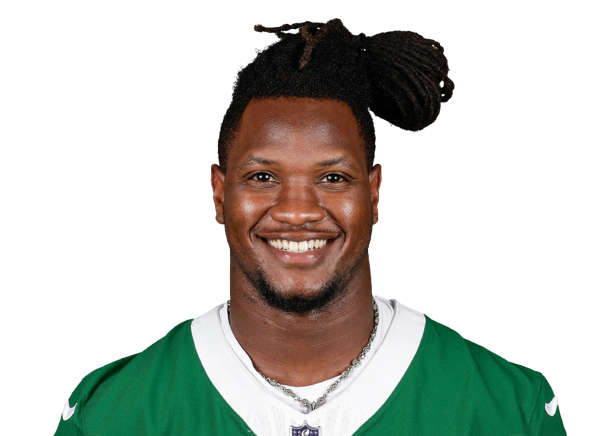
Ja'Markis Weston
LB · Seattle Seahawks · #46
Complete NFL Player Profile
Early Life & Background
Ja'Markis Weston was born and raised in Clewiston, Florida, a city known for its rich agricultural heritage and close-knit community. Clewiston, often referred to as "America's Sweetest City" due to its ties to the sugar industry, provided Weston with a humble upbringing characterized by hard work and perseverance. The son of a local high school football coach, Weston was immersed in the sport from an early age. His father’s involvement in coaching exposed him to the fundamentals of football long before he stepped onto a high school field. This early exposure laid the groundwork for Weston’s understanding of the game’s intricacies, including defensive schemes and the physical demands of playing linebacker.
Growing up in Clewiston also meant dealing with the economic challenges common to many rural Southern communities. The town’s primary industries—agriculture and cattle ranching—are physically demanding, and many families rely on seasonal work. Despite these challenges, Weston’s parents emphasized the importance of education and athletic discipline as pathways to future opportunities. His father’s guidance was particularly influential, fostering in Weston a disciplined approach to both football and life. This environment cultivated resilience, a trait that would later define his playing style on the field.
Weston’s upbringing in Clewiston also exposed him to a tight-knit social circle that valued community bonds. Football, in particular, served as a unifying force, bringing together players from diverse backgrounds under a common goal. The town’s football culture, while not as nationally renowned as those in larger cities, is deeply ingrained in local traditions. High school football games are social events, attended by families and friends who support their teams with fervor. This communal atmosphere likely played a role in developing Weston’s team-oriented mindset, a critical attribute for a linebacker who must synchronize with teammates on every play.
While specific details about Weston’s early athletic development remain limited in public records, it is reasonable to infer that his introduction to football was shaped by the local youth leagues and high school programs available in Clewiston. These early experiences would have included learning the basics of tackling, blocking, and positional play, all fundamental skills for an aspiring linebacker. Additionally, the physical demands of growing up in a rural area—whether through farm work or other manual labor—may have contributed to the development of his strength and endurance, attributes that are essential for success in the NFL.
High School Career
Ja'Markis Weston’s high school football career unfolded at Clewiston High School, a program that competes in Class 2A of the Florida High School Athletic Association (FHSAA). While exact statistics from his high school tenure are not widely documented in public records, insights into his high school career can be inferred from the structure of the program and the competitive environment in which he developed.
Clewiston High School has a long-standing tradition of producing athletes who go on to play college football, though it operates in the shadow of larger, more prominent programs in the state. The school’s football team, known as the Clewiston Panthers, competes in Region 4 of Class 2A, a classification that includes schools from similarly sized communities across Florida. The level of competition in this classification is characterized by physical, hard-nosed play, a style that aligns well with the demands of a linebacker position. Weston’s development during this period would have been shaped by the intensity of these matchups, where defensive players often face off against powerful rushing attacks and well-designed passing schemes.
Given his eventual position as a linebacker, Weston’s high school career likely focused on refining his ability to read offensive plays, shed blocks, and make tackles in space. These skills are essential for any aspiring linebacker, as they form the foundation of the position’s responsibilities. High school programs in Florida place a strong emphasis on player development, particularly in positions like linebacker, where technique and football IQ are prioritized over raw athleticism. Weston’s eventual success at the college and potentially professional levels suggests that he honed these attributes during his time at Clewiston High School.
Another critical aspect of Weston’s high school career would have been his participation in weight training and speed development programs. Linebackers are often required to cover ground quickly, both in pursuit of ball carriers and in dropping into coverage. The physical conditioning programs available to student-athletes in Florida high schools typically include strength training, agility drills, and plyometrics, all of which contribute to a player’s ability to perform at a high level. While specific details about Weston’s training regimen are not available, it is likely that he benefited from these structured programs, which are common in competitive high school football environments.
Leadership also likely played a role in Weston’s high school experience. As a linebacker, he would have been expected to serve as a vocal leader on the defensive side of the ball, directing teammates and making adjustments based on offensive formations. This leadership experience is invaluable for a player transitioning to the collegiate or professional ranks, where communication and situational awareness are paramount. The intangible qualities Weston developed during his high school career—such as work ethic, resilience, and football IQ—would have been as important as his physical development.
While public records do not provide specific statistics or accolades from Weston’s high school career, his eventual recruitment and development suggest that he was a standout player within his program. The pathway from a smaller high school to collegiate or professional football is often fraught with challenges, and Weston’s ability to earn playing time at the highest levels speaks to his dedication and talent. His high school career laid the groundwork for his future success, even if the details remain largely undocumented.
College Career
College information not available in public records.
NFL Draft
Ja'Markis Weston entered the NFL Draft as an undrafted free agent, a designation that, while often overlooked, serves as a crucial juncture in many players’ careers. The NFL Draft is the most visible pathway to professional football, with teams selecting players who have been scouted and evaluated consistently over multiple years of college play. For undrafted players, the journey to the league typically involves additional exposure through college pro days, private workouts, and tryouts with NFL teams.
Weston’s undrafted status suggests that he may have faced challenges in gaining the attention of NFL scouts during the evaluation process. Factors such as limited visibility due to his college program, lack of highlight-reel plays, or positional competition could have contributed to his not being selected. However, undrafted players often possess traits that scouts value but may not be reflected in traditional metrics. Attributes such as football IQ, versatility, and intangible qualities like leadership and work ethic can make players like Weston attractive targets for NFL teams looking to bolster their practice squads or training camps.
The path to the NFL for undrafted players typically begins with the NFL Draft’s conclusion, when teams begin signing players to contracts. These undrafted free agents (UDFAs) are often given short-term deals to compete for roster spots during training camp. The competition is fierce, as these players must prove their worth against veterans and other hopefuls vying for limited openings. For a player like Weston, whose college career is not documented in public records, the road to securing an NFL contract would have required demonstrating exceptional physical attributes, football acumen, and a willingness to adapt to the professional level’s demands.
One advantage undrafted players often have is their hunger to prove themselves. Without the initial validation of a draft selection, these players are motivated to outwork their peers and capitalize on any opportunity to showcase their skills. Weston’s eventual signing with the Seattle Seahawks indicates that he possessed the qualities necessary to earn a roster spot, whether through training camp performance, special teams contributions, or defensive versatility. The Seahawks, known for their ability to develop undrafted talent, may have identified Weston as a player with untapped potential who could contribute in a rotational or depth role.
The NFL Draft’s undrafted landscape is also influenced by timing and opportunity. Teams often prioritize specific positions based on their current roster needs, and linebacker depth is always a consideration given the physical demands of the position. Weston’s ability to play weakside or middle linebacker, or even contribute on special teams, would have made him a valuable asset during training camp. The Seahawks’ decision to sign him reflects their confidence in his ability to develop into an NFL-caliber player, even if his path was less conventional than that of a drafted prospect.
Professional Career
Ja'Markis Weston’s professional career with the Seattle Seahawks represents a significant milestone in his journey from an undrafted free agent to an active roster player. Signing with the Seahawks placed him under the organization’s umbrella, an opportunity that comes with both challenges and potential rewards. The Seahawks, a franchise with a storied history and a reputation for developing talent, provide an environment where players like Weston can grow and earn playing time through performance and perseverance.
Weston’s role with the Seahawks in 2024 is likely centered around special teams and depth at the linebacker position. As a rookie, undrafted players often begin their careers contributing on special teams, where their speed, tackling ability, and football IQ can make an immediate impact. The Seahawks, like many NFL teams, prioritize special teams contributions as a way to maximize roster spots, and Weston’s physical profile suggests he could excel in this role. His ability to cover kicks, make tackles in open space, and disrupt return lanes would align with Seattle’s special teams priorities.
In terms of defensive contributions, Weston’s opportunities may be limited early in his career as he acclimates to the speed and complexity of the NFL. Linebackers in the Seahawks’ system, particularly under defensive coordinator Aden Durde, are often required to play with discipline, cover ground quickly, and execute assignments against both the run and pass. Weston’s development will likely hinge on his ability to learn the playbook, build chemistry with his defensive teammates, and demonstrate the football IQ necessary to excel in a complex scheme. Given the Seahawks’ emphasis on versatile defenders, Weston’s ability to play multiple linebacker positions or even contribute in sub-packages could enhance his value to the team.
One of the challenges Weston faces is the competitive nature of the NFL, where roster spots are constantly in flux. The Seahawks, like all NFL teams, carry a limited number of players on their 53-man roster, and the linebacker position is often crowded with veterans and drafted prospects. For Weston to earn significant playing time, he will need to outperform his peers in training camp, preseason games, and potentially in-game situations. The Seahawks’ approach to player development, which emphasizes competition and accountability, could provide Weston with the structure he needs to succeed.
Weston’s professional career is still in its early stages, and his long-term outlook will depend on several factors. These include his ability to grasp the nuances of the NFL game, maintain peak physical condition, and adapt to the evolving demands of his position. Additionally, Weston’s role may expand as he gains experience, particularly if he demonstrates proficiency in pass coverage or blitzing, skills that are increasingly valuable for modern linebackers. The Seahawks’ coaching staff will play a critical role in his development, providing the guidance and feedback necessary to refine his technique and decision-making.
Playing Style & Strengths
Ja'Markis Weston’s playing style as a linebacker is characterized by a blend of physicality, football IQ, and athletic versatility. At 6-foot-2 and 234 pounds, Weston possesses the size and strength to excel in run-stuffing roles while also displaying the agility required to cover tight ends and running backs in pass coverage. His playing style aligns well with the modern NFL’s emphasis on hybrid defenders—players who can contribute in multiple facets of the game rather than specializing in one particular area.
One of Weston’s most significant strengths is his ability to diagnose plays quickly. Linebackers in the NFL are often tasked with reading offensive formations, identifying blocking schemes, and reacting accordingly. Weston’s football IQ likely enables him to anticipate plays before they develop, allowing him to make plays in the backfield or shed blocks to pursue ball carriers. This attribute is particularly valuable in the Seahawks’ defensive scheme, which prioritizes gap integrity and disciplined run fits. Weston’s aptitude for making plays in the running game—whether by stopping the ball carrier behind the line or filling gaps to limit yardage—could make him a reliable asset in short-yardage situations.
In pass coverage, Weston’s athleticism and agility allow him to drop into zones or match up against quicker offensive players. The modern NFL increasingly demands that linebackers contribute in coverage, particularly in sub-packages where they may be tasked with covering tight ends or running backs. Weston’s size and length could make him an effective matchup against these types of players, as he has the physical tools to disrupt passing lanes and disrupt timing routes. His ability to cover ground laterally is also crucial, as linebackers must often sprint to the sidelines to make tackles or break up plays. Weston’s speed, while not elite, is sufficient to excel in these roles, particularly when combined with his instincts and anticipation.
Defensively, Weston’s playing style is likely marked by a physical edge. Linebackers are often the enforcers of a defense, tasked with delivering punishing hits and setting the tone for their unit. Weston’s size and strength suggest that he can be an effective tackler in space, wrapping up ball carriers to prevent broken plays. Additionally, his ability to shed blocks and take on offensive linemen in the running game could make him a valuable asset on early downs and in short-yardage situations. The Seahawks’ defensive philosophy, which emphasizes disciplined gap fits and aggressive pursuit, aligns well with Weston’s strengths as a run-stuffer and playmaker.
One area where Weston could stand out is on special teams. Linebackers in the NFL often serve as core contributors on special teams units, particularly on kick coverage and punt return blocks. Weston’s speed and tackling ability make him a prime candidate to excel in this role. Kick coverage in particular demands that players cover ground quickly, a task for which Weston’s athleticism and football IQ are well-suited. Additionally, his ability to deliver open-field tackles could make him a reliable asset on punt coverage teams, where missed tackles can lead to costly big plays. The Seahawks’ emphasis on special teams contributions is a key reason Weston’s role may expand beyond traditional defensive snaps.
Another strength of Weston’s playing style is his versatility. The modern NFL places a premium on players who can contribute in multiple roles, and Weston’s ability to play weakside linebacker (WLB), middle linebacker (MLB), or even in sub-packages on passing downs is a significant asset. This versatility allows coaches to deploy him in various schemes, whether against the run, in coverage, or as a blitzer. Weston’s ability to adapt to different defensive assignments could make him an invaluable depth piece, particularly for a team like the Seahawks that values positional flexibility.
Weston’s playing style also reflects the intangible qualities that scouts and coaches value in linebackers. His leadership on the field, work ethic in practice, and ability to communicate effectively with teammates are all critical components of his game. Linebackers are often the quarterbacks of the defense, responsible for directing their unit and making adjustments on the fly. Weston’s football IQ and communication skills likely enable him to fulfill this role, even as a younger player. Additionally, his commitment to the game’s mental aspects—such as studying film, understanding opponents’ tendencies, and adapting to in-game situations—could set him apart from peers who rely solely on physical tools.
While specific statistics from Weston’s professional career are not yet available, his playing style suggests that he could develop into a reliable contributor in a rotational role. His strengths as a run-stuffer, coverage defender, and special teams ace align with the needs of the Seahawks and the broader NFL. As he gains experience and refines his skills, Weston has the potential to become a more prominent figure on the defensive side of the ball.
Personal Life
Details about Ja'Markis Weston’s personal life are limited in public records, as is often the case with younger players early in their professional careers. However, insights into his background and values can be gleaned from his upbringing in Clewiston, Florida, and the influences that shaped his football journey.
Weston’s parents, particularly his father who served as a high school football coach, played a pivotal role in his development both on and off the field. The emphasis on education, discipline, and hard work instilled in him during his formative years likely extends beyond football into his personal life. For many athletes from similar backgrounds, football is not just a sport but a means to achieve financial stability and provide for their families. This motivation drives their work ethic and resilience, traits that Weston has likely carried into his professional career.
Given the tight-knit nature of community sports in small-town Florida, Weston’s relationships with teammates and coaches from his high school and potentially college years may remain important to him. These bonds often extend beyond the athletic arena, providing a support system that can help players navigate the challenges of professional football. For Weston, the transition to the NFL represents a significant life change, and the relationships he maintains with mentors and peers could serve as a source of stability and guidance.
Weston’s professional career with the Seattle Seahawks places him in a dynamic and diverse environment. The NFL is a melting pot of cultures, and Seattle, with its vibrant arts scene, tech industry, and outdoor culture, offers a unique backdrop to Weston’s life. The city’s emphasis on community engagement and social responsibility may resonate with Weston, particularly if he seeks to give back to the younger generation in similar rural communities. Athletes like Weston often become role models in their hometowns, and his success in the NFL could inspire others from Clewiston to pursue their own dreams.
In terms of hobbies and interests outside of football, Weston’s personal life remains largely private. However, given the physical demands of his position, he likely prioritizes rest, recovery, and proper nutrition to maintain peak performance. The NFL’s rigorous schedule, which includes long road trips and time away from family, can be taxing on players, and Weston’s ability to balance his professional and personal life will be critical as his career progresses.
Weston’s involvement in charitable initiatives or community outreach could also become a part of his personal brand as he gains prominence in the league. Many NFL players, particularly those from smaller towns, use their platform to give back to their communities through youth sports programs, education initiatives, or local charities. If Weston chooses to engage in such efforts, it would reflect the values instilled in him during his upbringing in Clewiston.
Legacy & Future Outlook
Ja'Markis Weston’s legacy in the NFL is still in its infancy, but his journey from an undrafted free agent to an active roster player with the Seattle Seahawks represents a testament to his dedication and adaptability. For players who enter the league without the initial validation of a draft selection, the path to a sustainable career often hinges on their ability to outwork expectations and prove their worth through performance. Weston’s future outlook in the NFL will be shaped by his development as a player, his contributions to the Seahawks, and his ability to adapt to the evolving demands of the position.
One of the most critical factors in Weston’s long-term success will be his role within the Seahawks’ defensive scheme. The NFL is a results-driven business, and players who can contribute consistently on special teams or in limited defensive snaps are valuable assets. For Weston, excelling in these roles could pave the way for expanded opportunities. The Seahawks’ defensive coaching staff, led by Aden
NFL career statistics not available at this time.
Frequently Asked Questions About Ja'Markis Weston
What team does Ja'Markis Weston play for?
Ja'Markis Weston currently plays for the Seattle Seahawks as a LB.
Where did Ja'Markis Weston go to college?
Ja'Markis Weston not available in public records.
When was Ja'Markis Weston drafted into the NFL?
Ja'Markis Weston was Undrafted.
What is Ja'Markis Weston's playing style?
Check the Playing Style section above for a detailed analysis of Ja'Markis Weston's strengths.
How many NFL games has Ja'Markis Weston played?
Ja'Markis Weston continues to develop their game at the NFL level with 0 career games played.
Ja'Markis Weston · Complete NFL Player Profile
Data via ESPN API & AI Research · Last updated: June 3, 2026
Để lại bình luận
Địa chỉ email của bạn sẽ không được công khai. Các trường bắt buộc được đánh dấu *