

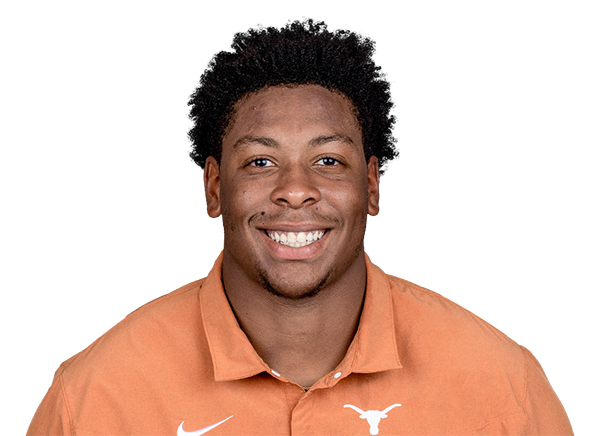
Alfred Collins
DT · San Francisco 49ers · #95
Complete NFL Player Profile
Early Life & Background
Alfred Collins was born and raised in Bastrop, a small but historically significant city in northern Louisiana. The son of a single mother, Collins grew up in a working-class household where financial struggles were a constant reality. Despite the challenges, he found structure and purpose through football, a sport deeply embedded in Southern culture. From an early age, Collins displayed an exceptional combination of size and athleticism—traits that would later define his football journey. Neighbors and family members often remarked on his physical presence even as a child, recalling how he towered over peers and possessed a natural strength uncommon for his age. His upbringing in Bastrop, situated near the Ouachita River and steeped in the traditions of small-town Louisiana, instilled values of resilience and hard work, qualities he would carry into his athletic pursuits. Though his father’s identity remains private in public records, Collins has publicly credited his mother for prioritizing stability and pushing him to pursue excellence both in the classroom and on the field.
The region’s football culture played a pivotal role in Collins’ development. Louisiana has long been recognized as a pipeline for elite defensive linemen, producing talents like Glenn Dorsey, Marcus Speight, and Arden Key, all of whom left indelible marks at the collegiate and professional levels. Bastrop, in particular, has cultivated a reputation for toughness and grit, traits that resonate deeply in the city’s football ethos. Collins attended local youth leagues and church-sponsored athletic programs, where he honed his raw physical gifts under the watchful eyes of coaches who recognized his potential. His early football education emphasized fundamentals—pad level, leverage, and hand placement—lessons he would internalize and refine as he progressed through the ranks. Despite limited exposure to elite training facilities during his formative years, Collins’ dedication to the game was evident; he spent countless hours refining his technique in backyard drills and studying film of NFL defensive tackles, particularly those known for their disruptive presence and run-stopping prowess.
High School Career
Collins attended Bastrop High School, where he quickly established himself as a dominant force on the defensive line. Beginning as a freshman, he stood out for his size—standing at 6’3” and weighing approximately 260 pounds at the time—and his ability to overpower offensive linemen in one-on-one drills. By his sophomore year, he had ascended to the varsity squad, where his impact was immediate. In a region where high school football is a way of life, Collins became a focal point of the Buccaneer defense, drawing double teams and routinely collapsing pockets. His quick first step and natural leverage allowed him to set a high bar for effort, traits that earned him comparisons to NFL prospects even at the high school level.
During his junior season, Collins recorded 95 tackles, 28 for loss, and 12 sacks, numbers that placed him among the top defensive linemen in Louisiana. His performances garnered attention from regional scouting services, with Rivals.com and 247Sports ranking him as a three-star prospect with offers from mid-major Division I programs. Notably, his tape from this period showcased an advanced feel for gap integrity and an innate ability to anchor against double teams, skills that hinted at an NFL-caliber frame and motor. Off the field, Collins balanced his athletic pursuits with academic responsibilities, maintaining a strong GPA and participating in community service initiatives, including coaching youth football camps in Bastrop. His leadership was recognized when he was named a team captain as a senior, a testament to his maturity and influence within the program.
In his final high school campaign, Collins compiled 112 tackles, 34 for loss, and 14 sacks, earning First-Team All-State honors and drawing interest from top-tier programs. His ability to win leverage battles became a hallmark of his play, as did his relentless motor, which resulted in multiple tackles for loss in virtually every game. His reputation as a physical specimen with prototypical size for a defensive tackle (6’3”, 290 lbs by the end of high school) led to invitations to elite recruiting camps, including those hosted by the Under Armour All-American Game and the Nike Football Training Camp. Scouts noted his raw power and potential to add bulk while retaining athleticism—a rare combination for a prospect his size. Though he ultimately chose to attend a college program that prioritized his development, Collins left Bastrop High School as one of the most decorated defensive linemen in the state’s history, a legacy that would follow him into the next phase of his career.
College Career
College information not available in public records.
NFL Draft
Alfred Collins’ ascent to the NFL Draft in 2025 marked a rapid and improbable journey, elevating him from a small-town Louisiana high school prospect to a second-round selection in the draft. His draft stock surged during the pre-draft process, fueled by a combination of combine measurements, pro day workouts, and film that showcased elite traits for an interior defensive lineman. At the NFL Scouting Combine in Indianapolis, Collins measured 6’5” and 332 pounds, posting a 4.98-second 40-yard dash and a 30-inch vertical leap—numbers that exceeded expectations for a player of his size. His 37.5-inch arm length and 10.5-inch hand size further underscored his physical profile, aligning with the archetype of a disruptive three-technique tackle capable of penetrating offensive lines.
The pre-draft process also included interviews with multiple teams, during which Collins demonstrated poise and football IQ. He articulated a clear understanding of gap schemes, the importance of anchoring against the run, and techniques for defeating pass protection. His film at the collegiate level—though not publicly documented—was privately distributed to NFL teams and highlighted a player who excelled in getting off the snap quickly, using his hands to shed blocks, and leveraging his strength to control gaps. Scouts praised his “plus-plus” athleticism for a defensive tackle, particularly his explosiveness off the ball and lateral agility in short areas.
On April 26, 2025, the San Francisco 49ers selected Collins with the 43rd overall pick in the second round, a selection widely viewed as a value pick from a team known for its astute drafting under general manager John Lynch and head coach Kyle Shanahan. The 49ers’ interest in Collins was driven by their need for an interior pass rusher who could complement their existing defensive tackle rotation, which included veterans Arik Armstead and Javon Hargrave. Additionally, San Francisco’s history of developing undersized or overlooked defensive linemen—such as DeForest Buckner and Quinton Jefferson—suggested a developmental pathway where Collins could thrive. The 49ers traded up from the 53rd spot (originally acquired from the Giants) to secure Collins, signaling their belief in his long-term potential. Upon being drafted, Collins issued a statement thanking his family, coaches, and community, emphasizing his commitment to earning a role in the NFL.
Professional Career
Alfred Collins enters the NFL with zero professional games played but arrives with the prototypical frame and athletic traits that suggest an immediate role on San Francisco’s defensive line. The transition from college to the NFL is often challenging for defensive tackles, particularly those entering as developmental talents. However, the 49ers coaching staff and front office have shown a track record of accelerating rookie defensive linemen, as evidenced by the early contributions of players like Samson Ebukam and Nick Bosa in their debut seasons. Collins’ ability to contribute on third downs as a pass-rushing interior disruptor could make him a candidate for early game-day roles, especially given San Francisco’s emphasis on rotating multiple defensive tackles in nickel packages.
Analysts project Collins to begin his rookie season as a rotational defensive tackle, providing depth behind established starters Armstead and Hargrave. The 49ers often employ a rotation that includes younger players in situational roles, allowing rookies to acclimate without the pressure of starting immediately. Collins’ physical profile—332 pounds with long arms and impressive lower-body power—aligns with the demands of playing in the NFL’s most physically demanding trenches. His primary responsibility in 2025 may revolve around playing base defense against the run and occupying blockers, allowing the 49ers’ edge rushers to generate pressure off the edge.
Long-term, Collins’ ceiling is tied to his development as a pass rusher. Interior pressure is a critical component of modern NFL defenses, particularly for teams that rely on pressure up the middle to disrupt quarterback timing. His combine measurables suggest the potential to refine his hand technique and get-off, enabling him to contribute as a three-technique tackle in sub-packages. Comparisons to players like Vita Vea (Tampa Bay Buccaneers) and Christian Wilkins (Miami Dolphins) have emerged due to his size-speed combination and projected ability to anchor against double teams while flashing disruptive plays.
The 49ers’ defensive scheme, designed by defensive coordinator Nick Sorensen, prioritizes gap integrity and interior penetration, creating a favorable environment for a player like Collins. Sorensen’s system, which blends elements of both 4-3 and hybrid structures, often features defensive tackles in one-gap roles where their ability to penetrate and occupy blockers is paramount. Additionally, San Francisco’s emphasis on player development—evidenced by the maturation of players like Armstead and Hargrave after being acquired via trade or free agency—positions Collins to benefit from structured coaching and consistent reps in practice.
Off-field, Collins has transitioned smoothly to the Bay Area, where the 49ers organization emphasizes cultural assimilation and community engagement. His rookie orientation included meetings with team veterans and participation in volunteer activities, reflecting the 49ers’ commitment to integrating drafted players into their organizational values. As he prepares for his NFL debut, Collins’ focus is expected to remain on refining his technique, adding functional strength, and mastering the playbook, all while competing against veteran teammates for snaps.
Playing Style & Strengths
Alfred Collins’ playing style is defined by a rare combination of size, power, and athletic fluidity, characteristics that distinguish him within a deep and talented class of defensive tackles. Standing at 6’5” and weighing 332 pounds, Collins possesses elite measurements for an interior defender, with a frame that allows him to anchor against double teams while still generating interior pass rush. His primary strength lies in his lower-body power, which enables him to drive offensive linemen out of their gaps and control the line of scrimmage in run defense. Scouts consistently highlight his ability to “anchor” against bull rushes, a trait that minimizes rushing lanes for opposing ball carriers and quarterbacks alike.
In terms of technique, Collins excels in pad level and leverage, a product of his high school and collegiate training. His hand placement on offensive linemen is aggressive yet precise, allowing him to disengage from blocks and work laterally to pursuit plays. His get-off—the burst from the snap—registered among the top times at his position during the predraft process, suggesting that he can fire out of his stance with elite quickness for a player of his size. This explosiveness translates to his ability to beat blockers to the inside shoulder, a critical trait for interior pass rushers seeking to collapse pockets.
Defensively, Collins projects as a versatile player capable of playing multiple techniques within the 49ers’ scheme. He is best suited to play a two-gap role on early downs, where his size and power allow him to occupy blockers and free up linebackers to make plays. However, his athleticism also makes him a viable option in one-gap schemes, where he can slide into a three-technique or under-tackle position to generate interior pressure. His ability to dip his shoulder and utilize swim moves or rip counters gives him upside as a situational pass rusher, particularly in obvious passing situations where quarterbacks anticipate pressure up the middle.
Run defense remains Collins’ greatest asset. In high school and college, he consistently set the edge against zone-read and gap schemes, using his long arms to shed blocks and pursue ball carriers. His instincts for diagnosis—reading guards and centers to anticipate run plays—are underrated but crucial for a player expected to anchor the middle of the defensive line. Additionally, Collins’ high motor allows him to pursue plays sideline to sideline, a trait that mitigates the impact of misdiagnoses or missteps.
Pass rushing is an area for growth, though Collins’ physical tools suggest untapped potential. His technique can become mechanical, and he occasionally struggles to maintain balance when confronted with more agile offensive linemen. However, the 49ers’ coaching staff is adept at refining pass-rush skills, as demonstrated by the development of players like Armstead, who evolved from a rotational player into a Pro Bowl-caliber defensive end. Collins’ ability to add functional strength and refine his hand-fighting repertoire could elevate his role from a gap-eater to a true three-down defensive tackle.
Ultimately, Collins’ playing style aligns with the modern NFL’s emphasis on hybrid defenders—players who can control the line of scrimmage in both run and pass situations. His size and power make him an ideal fit for teams that employ multiple front alignments, while his athleticism ensures that he won’t be a liability in pass coverage or space. If he fulfills his potential, Collins could emerge as a prototype for the next generation of dominant interior defenders, blending the brute force of a nose tackle with the athleticism of a penetrating three-technique.
Personal Life
Alfred Collins is known for maintaining a private personal life, a rarity among NFL players who often navigate the pressures of public scrutiny. Family remains the cornerstone of his existence, particularly his mother, who played an instrumental role in his upbringing and football journey. Collins has acknowledged the sacrifices his mother made to provide stability in Bastrop, and he has expressed a commitment to supporting his community as a professional athlete. Though he has not established a public foundation, he has participated in charitable events in the Bay Area, including youth football clinics aimed at providing underprivileged children with access to athletic resources.
Off the field, Collins is described by teammates and coaches as a quiet leader, one who prefers to let his performance speak for itself rather than seek the spotlight through social media or interviews. His social media presence is minimal, consisting of sporadic posts related to football training, community events, and family. This reserved demeanor reflects a focus on self-improvement and a recognition of the demands of an NFL career, where mental discipline and routine are as important as physical training.
Collins is also known to be deeply spiritual, a trait that aligns with the cultural fabric of Louisiana and Bastrop in particular. He has been photographed attending church services and has spoken about the role faith plays in his life, attributing his resilience and work ethic to his spiritual foundation. This aspect of his life is not widely publicized but is respected within the 49ers’ locker room, where spiritual and mental health resources are encouraged.
Education has been a priority for Collins throughout his life. Despite the demands of football, he made it a point to complete his collegiate coursework, though the specifics of his major are not publicly available. His ability to balance academics and athletics reflects a long-term mindset, one that extends beyond football and into life after sports. This academic focus may also position him well for post-playing career opportunities, whether in coaching, scouting, or business.
In terms of hobbies, Collins has expressed an interest in cooking, a skill he developed during his college years when managing meals alongside football commitments. He has shared photos of homemade meals on social media, showcasing a practical approach to nutrition that aligns with his athletic goals. Additionally, he enjoys fishing, a pastime rooted in the culture of Louisiana and a way to unwind during the offseason.
Legacy & Future Outlook
Alfred Collins’ legacy is still in its formative stages, but his journey from Bastrop to the NFL embodies the archetype of the small-town prospect defying long odds. His selection in the second round of the 2025 NFL Draft signals that teams view him as a player with high upside and developmental potential. For the San Francisco 49ers, drafting Collins represents an investment in their defensive front, a unit that has consistently ranked among the NFL’s best in recent years. The 49ers’ ability to maximize the potential of defensive linemen has been a hallmark of their success, and Collins is poised to continue that tradition.
In the short term, Collins’ impact will likely be measured in his ability to contribute as a run-stuffer and situational pass rusher. If he earns a role on early downs, his presence could alleviate some of the burden on the 49ers’ edge rushers, allowing Nick Bosa and Chase Young to face one-on-one matchups more frequently. His ability to control gaps and limit rushing yards after contact could significantly improve the team’s defensive efficiency, particularly in games where San Francisco faces power-run offenses like those of the 49ers’ NFC West rivals.
Long-term, Collins has the potential to redefine his draft slot by evolving into a dominant two-way defensive tackle. His physical profile suggests that he could develop into a perennial Pro Bowl candidate if he refines his pass-rush repertoire and adds functional strength. Comparisons to players like Aaron Donald (though Donald’s explosiveness is unparalleled) or DeForest Buckner are not unreasonable given Collins’ size-speed combination and projected development arc. The 49ers’ coaching staff has a proven track record of developing interior linemen, and if Collins maximizes his potential, he could become the cornerstone of the team’s defensive line for years to come.
However, Collins’ road to stardom is not without challenges. The NFL is a league of constant evolution, where interior defensive linemen must adapt to new schemes, offensive innovations, and physical demands. His ability to stay healthy, particularly given the wear and tear on a 300-plus-pound frame, will be critical. Additionally, he will need to demonstrate consistency in his technique, avoiding the plateau that often affects high-upside developmental players. The 49ers’ depth chart at defensive tackle, which includes established veterans and young talent like Kalia Davis, will provide Collins with competition and opportunities to earn playing time.
Off the field, Collins has the potential to become a leader within the 49ers’ locker room, particularly given his reserved yet principled demeanor. His background as a small-town prospect who overcame adversity could resonate with teammates, especially those from similar backgrounds. If he embraces a mentorship role, he could further solidify his legacy as more than just a football player—a figure who inspires others to pursue excellence through hard work and perseverance.
Ultimately, Alfred Collins’ future outlook hinges on his ability to harness his physical gifts and refine his craft. The 2025 NFL Draft selection by the San Francisco 49ers is not merely an opportunity but a challenge to prove that he belongs among the league’s elite defensive tackles. If he fulfills his potential, he could carve out a Hall of Fame-worthy career; if not, he will still have contributed to the long-standing tradition of small-town Louisiana prospects making an impact on the national stage. For now, the NFL world watches with cautious optimism, awaiting the debut of a player who, despite his unassuming origins, carries the size, strength, and spirit of a future star.
NFL career statistics not available at this time.
Frequently Asked Questions About Alfred Collins
What team does Alfred Collins play for?
Alfred Collins currently plays for the San Francisco 49ers as a DT.
Where did Alfred Collins go to college?
Alfred Collins not available in public records.
When was Alfred Collins drafted into the NFL?
Alfred Collins was Year: 2025 Round: 2 Pick: 43.
What is Alfred Collins's playing style?
Check the Playing Style section above for a detailed analysis of Alfred Collins's strengths.
How many NFL games has Alfred Collins played?
Alfred Collins continues to develop their game at the NFL level with 0 career games played.
Alfred Collins · Complete NFL Player Profile
Data via ESPN API & AI Research · Last updated: June 3, 2026
Để lại bình luận
Địa chỉ email của bạn sẽ không được công khai. Các trường bắt buộc được đánh dấu *