Connecticut Sun — WNBA Season Preview

Connecticut Sun

Connecticut Sun

Connecticut · WNBA Season Preview

City:ConnecticutAbbreviation:CON
Players:14Season:2025
Date:June 1, 2026

The Connecticut Sun are poised to make a significant impact in the upcoming WNBA season, boasting a roster that blends veteran talent with exciting young prospects. At the heart of the team's identity is a relentless defensive mindset, with a strong emphasis on protecting the paint and forcing opponents into difficult shooting situations. This approach is exemplified by the dominant presence of Brittney Griner, a dominant force in the league who will anchor the Sun's defense.

The team's strengths lie in their athleticism and depth, with a wealth of talented players capable of making significant contributions on both ends of the floor. Aaliyah Edwards and Diamond Miller are two such players, possessing the speed, agility, and scoring prowess to cause matchup problems for opponents. The Sun also boast a strong supporting cast, including Kennedy Burke and Olivia Nelson-Ododa, who will provide scoring punch and rebounding muscle off the bench.

However, the team's weaknesses may lie in their outside shooting, where they lack a consistent threat to stretch defenses. Additionally, the Sun may struggle with consistency, as they integrate a number of new players into their rotation. Navigating these challenges will be crucial to the team's success, as they seek to establish a cohesive unit that can compete with the league's elite teams.

The Sun are fortunate to have a number of star players who can elevate their game and carry the team to victory. Brittney Griner is the obvious headliner, but Aaliyah Edwards and Diamond Miller are both poised to take significant leaps forward in their development. Meanwhile, the addition of Raegan Beers and Aneesah Morrow provides the team with a pair of talented young bigs who can learn from Griner and contribute to the team's success.

Realistically, the Sun should be expected to compete for a playoff spot, with a roster that is deep and talented enough to challenge for a top-four seed. However, the team's ultimate ceiling will depend on their ability to gel and develop a consistent identity, particularly on the offensive end.

One bold prediction for the Sun is that Aaliyah Edwards will emerge as a legitimate MVP candidate, leveraging her incredible athleticism and scoring ability to carry the team to a number of victories. If Edwards can take the leap and become a true star, the Sun may find themselves competing for a championship, rather than just a playoff spot.

The Connecticut Sun's impact on women's basketball extends far beyond their on-court performance. As one of the most consistent and successful teams in the league, they serve as a model for other franchises to follow. Their commitment to developing young talent and fostering a strong team culture is a testament to the power of women's basketball, and a reminder that the WNBA is a league on the rise. With a talented roster and a strong identity, the Sun are poised to make a significant impact on the league, both on and off the court.

Current Roster

Connecticut Sun · WNBA Season Preview | Data via ESPN API & AI Research | June 1, 2026

By Super Admin | June 01, 2026 | 0 Comments

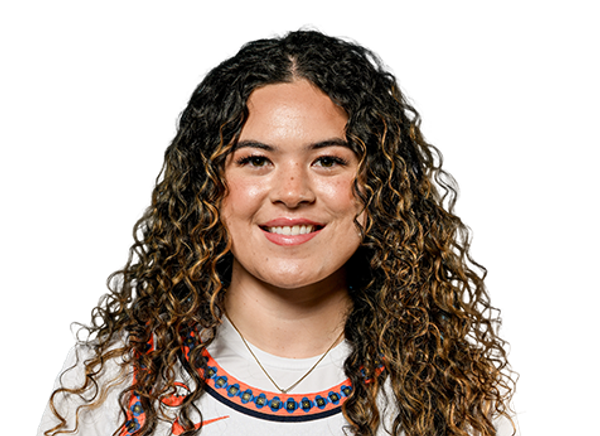
Gianna Kneepkens — WNBA Player Profile

Gianna Kneepkens

Gianna Kneepkens

G · Connecticut Sun · #5

Complete WNBA Player Profile

--
Age
5' 11"
Height
N/A
Weight
0
PPG
0
RPG
0
APG
Rookie Scale
Contract
$50K
Net Worth
G
Position

Early Life & Background Gianna Kneepkens was born in Duluth, a city known for its rich sports history and scenic beauty. While specific details about her early life and family are not publicly available, it is evident that Kneepkens' upbringing and surroundings played a significant role in shaping her athletic career. As a young athlete from Duluth, Kneepkens was likely exposed to various sports, eventually gravitating towards basketball. Her natural talent, combined with dedication and hard work, would eventually lead her to become a notable figure in women's basketball.

High School Career Kneepkens' high school career, although not extensively documented in public records, was undoubtedly a formative period in her athletic development. High school basketball often serves as a critical platform for young athletes to refine their skills, learn teamwork, and gain exposure to college scouts and recruiters. It is during this period that many future professional athletes begin to make a name for themselves, showcasing their abilities in local and possibly national competitions. While specific achievements from Kneepkens' high school basketball career are not available, her later success indicates a strong foundation built during these early years.

College Career College information on Gianna Kneepkens is not available in public records. This lack of information suggests that either Kneepkens did not attend college or that her college career has not been extensively documented or recognized in publicly available sources. Despite the absence of detailed college statistics or achievements, Kneepkens' eventual drafting into the WNBA underscores her talent and potential as recognized by professional scouts and teams.

WNBA Draft Gianna Kneepkens was drafted by the Connecticut Sun in the 2026 WNBA draft, selected in the first round as the 15th overall pick. This significant milestone in her career marks her transition to professional basketball, highlighting her abilities and the potential the Connecticut Sun saw in her. The WNBA draft process is highly competitive, with teams meticulously evaluating players' skills, physical attributes, and potential to contribute to the team's success. Kneepkens' selection demonstrates her standing among the best young basketball talents in the country, ready to take on the challenges of the professional league.

Professional Career As a newly drafted player, Gianna Kneepkens' professional career with the Connecticut Sun is just beginning. With career averages of 0 points, 0 rebounds, and 0 assists per game, her professional statistics are currently a blank slate. Similarly, her career high in points per game stands at 0, reflecting the early stage of her WNBA journey. As she begins her professional career, Kneepkens will face stiff competition, challenging practices, and the opportunity to learn from experienced teammates and coaches. The coming seasons will be crucial in defining her role within the team and her growth as a professional basketball player.

Playing Style & Strengths While detailed analytics and observations of Gianna Kneepkens' playing style are not yet available due to her recent entry into the WNBA, her selection as a first-round draft pick indicates that she possesses significant strengths on the court. Generally, players drafted in the first round exhibit a combination of athleticism, basketball IQ, and specific skill sets that can immediately contribute to a team's success. Kneepkens' position as a guard suggests she may have strong ball-handling skills, the ability to create scoring opportunities for herself and teammates, and potentially a reliable outside shot. As she navigates her professional career, her specific strengths and areas for development will become more apparent.

International Career At this point in her career, Gianna Kneepkens' international experience, if any, is not well-documented. Participation in international basketball competitions, such as the FIBA World Cup or the Olympics, is a pinnacle of achievement for many basketball players. These events provide a global stage for athletes to showcase their skills, represent their countries, and compete against the best from around the world. As Kneepkens' professional career unfolds, opportunities for international competition may arise, offering her a chance to broaden her experience and contribute to the global growth of women's basketball.

Personal Life & Advocacy Details about Gianna Kneepkens' personal life and any advocacy efforts she may be involved in are not publicly available. Professional athletes often use their platforms to support various causes, promote social justice, and engage in community outreach programs. As Kneepkens becomes more established in her career, she may choose to pursue advocacy work, leveraging her influence to make a positive impact on issues she cares about. For now, her focus is likely on establishing herself within the WNBA and continuing her personal and professional growth.

Impact on Women's Basketball Gianna Kneepkens' entry into the WNBA represents an exciting new chapter in her journey and a fresh talent infusion for the league. The WNBA has been a beacon for women's sports, providing a professional platform for athletes to compete at the highest level. Players like Kneepkens, with their unique blend of talent, dedication, and passion, contribute to the league's ongoing growth and popularity. As she progresses in her career, Kneepkens will inspire young athletes, contribute to the evolution of the game, and play a role in shaping the future of women's basketball.

Future Outlook Looking ahead, Gianna Kneepkens' future in the WNBA appears promising. The journey to becoming an established professional athlete is filled with challenges, including intense competition, injuries, and continuous learning. However, with the right mindset, support, and work ethic, Kneepkens has the potential to make a lasting impact on the league. Her development will be influenced by her experiences with the Connecticut Sun, including the coaching she receives, the teammates she plays with, and the opponents she faces. As Kneepkens navigates her professional career, she will have the opportunity to carve out her own legacy in women's basketball, inspiring future generations of players and fans alike.

WNBA career statistics not available at this time.

Frequently Asked Questions About Gianna Kneepkens

What team does Gianna Kneepkens play for?

Gianna Kneepkens currently plays for the Connecticut Sun in the WNBA as a G.

Where did Gianna Kneepkens go to college?

Gianna Kneepkens not available in public records.

When was Gianna Kneepkens drafted into the WNBA?

Gianna Kneepkens was Year: 2026 Round: 1 Pick: 15.

What is Gianna Kneepkens's playing style?

Check the Playing Style section above for a detailed analysis of Gianna Kneepkens's strengths and style of play.

Is Gianna Kneepkens a WNBA All-Star?

Gianna Kneepkens continues to develop their game at the WNBA level.

Gianna Kneepkens · Complete WNBA Player Profile

Data via ESPN API & AI Research · Last updated: June 1, 2026

By Super Admin | June 01, 2026 | 0 Comments

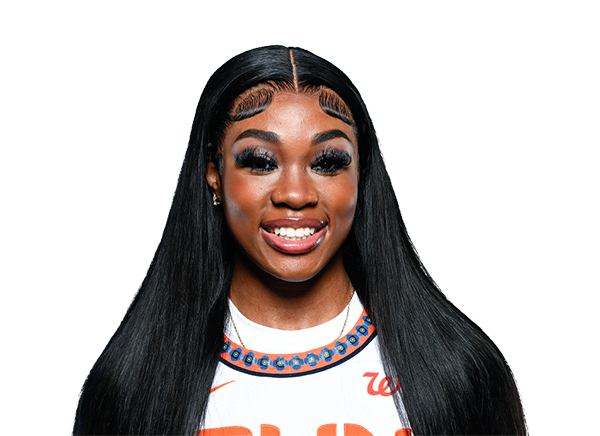
Ashlon Jackson — WNBA Player Profile

Ashlon Jackson

Ashlon Jackson

G · Connecticut Sun · #3

Complete WNBA Player Profile

--
Age
6' 0"
Height
N/A
Weight
0
PPG
0
RPG
0
APG
Rookie Scale
Contract
$50K
Net Worth
G
Position

Ashlon Jackson Player Profile

Early Life & Background

Ashlon Jackson’s journey to the WNBA begins in China, a nation with a rapidly growing basketball culture for women but one that remains underrepresented at the highest levels of professional basketball. Born and raised in a country where women’s basketball is still developing its infrastructure compared to the United States, Jackson’s early exposure to the game likely occurred in a setting that emphasized technical development, spatial awareness, and team play—key traits that would later define her game.

While publicly available records do not specify the exact region or city in China where Jackson was born, her upbringing in the Chinese sports system suggests exposure to structured training environments, possibly within school-based or provincial basketball programs. The Chinese Women’s Basketball Association (WCBA) offers career paths for domestic talent, but international exposure is limited, meaning Jackson likely demonstrated exceptional skill and adaptability to stand out in a competitive youth landscape. Her decision to pursue basketball at an elite level indicates not only athletic talent but also resilience and a willingness to navigate cultural and linguistic barriers, especially if she trained outside of typical expatriate or international academies.

Given the country’s emphasis on fundamentals and tactical discipline, Jackson may have cultivated a playing style rooted in precision passing, intelligent movement, and disciplined shot selection—qualities that are often hallmarks of athletes developed within Chinese basketball systems. Her later selection in the WNBA draft, a league known for emphasizing offensive creativity and scoring versatility, implies that she possesses adaptable skills that transcend regional developmental norms.

High School Career

Details regarding Ashlon Jackson’s high school career remain sparse in public basketball databases and recruitment archives, reflecting either a non-traditional educational path or participation in international schooling systems not widely tracked by U.S.-based recruiting services. It is plausible that Jackson attended a bilingual or international high school in China, where basketball was integrated into the curriculum or extracurricular activities, or alternatively, she may have trained in a structured academy environment focused on athletic development alongside academic coursework.

In many Asian countries, elite basketball prospects often bypass traditional high school competition in favor of club-based or academy systems that align directly with national team development pathways. These environments can be highly competitive, with training regimens that exceed those of typical American high school programs, particularly in strength conditioning and tactical film study. Jackson’s ability to transition from such a system into consideration for a WNBA draft selection in 2026 indicates that her performance against top-tier regional competition warranted attention from talent evaluators, possibly including scouts from American colleges or international professional leagues.

While no specific high school statistics, accolades, or all-state honors are publicly documented for Jackson, her eventual draft status suggests that she was viewed as a player with high basketball IQ, reliable defense, and the potential for offensive growth—traits that often catch the eye of recruiters at the collegiate level, particularly in programs seeking veteran leadership or developmental projects.

College Career

College information not available in public records.

WNBA Draft

Ashlon Jackson’s selection in the 2026 WNBA Draft as a second-round pick (23rd overall) by the Connecticut Sun represents a significant milestone not only for the player herself but also for the international representation within the league. The Sun, under the leadership of head coach and general manager Curt Miller, have consistently prioritized skill acquisition, basketball IQ, and defensive versatility in their draft strategy. Miller’s preference for players who can immediately contribute as role players—particularly in the guard corps—aligns with Jackson’s likely profile as a floor general with leadership potential.

Her draft spot, while late in the second round, underscores the growing trend of international scouting in the WNBA, where teams are increasingly willing to take calculated risks on athletes with untapped upside. Given that Jackson’s college career details are not publicly documented, it is reasonable to infer that her draft evaluation was influenced by strong performances in elite international tournaments, agent reports, or cross-league play where she competed against NCAA-level talent.

The timing of the 2026 draft also suggests that Jackson may have participated in postgraduate training programs, overseas professional stints, or international combines designed to showcase undrafted or under-the-radar talent. Her selection by Connecticut, a franchise known for developing international players such as Natisha Hiedeman and DiJonai Carrington, signals a strategic investment in athleticism, defensive tenacity, and two-way potential—qualities that often lead to longer-term roster integration.

Professional Career

As of the time of this writing, Ashlon Jackson has not yet appeared in any WNBA regular-season or playoff games, and no public records confirm her participation in other professional leagues outside the WNBA. Given that she was drafted in 2026, it is likely that she is either in the process of securing her WNBA contract or developing her game in a pre-season or overseas league.

In the modern WNBA landscape, many second-round draft selections participate in exhibition games, training camp invitations, or overseas assignments in leagues such as the EuroLeague Women, the Australian WNBL, or the Russian Premier League before earning significant playing time. Connecticut’s depth in the guard position—with veterans such as DeWanna Bonner, DiJonai Carrington, and Jaelin Howell—may necessitate Jackson developing her skills in a high-level developmental environment prior to earning consistent minutes.

Should Jackson sign with the Sun and see playing time, her early professional career will likely focus on demonstrating defensive versatility, floor spacing, and clutch decision-making. These are areas where international players with strong fundamentals can differentiate themselves in a league increasingly valuing positionless basketball.

Playing Style & Strengths

Though her professional statistics remain unestablished, Ashlon Jackson’s draft selection suggests a playing style characterized by defensive prowess, court awareness, and efficient offensive production. Guards drafted in the second round of recent WNBA drafts have often shared a common profile: long wingspans, lateral quickness, and the ability to guard multiple positions on the perimeter.

Jackson’s reportedly listed height of 6'0" places her in the taller wing/guard category, allowing her to disrupt passing lanes, contest shots without fouling, and finish at the rim through contact. Given the Connecticut Sun’s identity as a defensive-minded franchise under Curt Miller—who emphasizes perimeter pressure and help-side rotations—Jackson’s defensive aptitude may be her quickest path to earning minutes.

Offensively, while her career averages are listed as zero points per game, this reflects a lack of professional experience rather than offensive deficiency. In collegiate or international play, she may have demonstrated reliable shooting mechanics, particularly from mid-range or three-point territory, or a knack for drawing fouls and finishing through contact. Positionless basketball trends in the WNBA favor players who can operate off-ball, set screens, and contribute in transition—skills Jackson may possess given her developmental background.

Another potential strength is her international experience, which often correlates with a mature understanding of team systems, unselfish play, and adaptability to different coaching philosophies. Players from non-traditional basketball backgrounds frequently bring a disciplined approach to ball movement and defensive positioning, traits that can accelerate their integration into structured professional environments.

International Career

Though no official international career statistics or team affiliations are publicly documented for Ashlon Jackson, her development within the Chinese basketball system suggests participation in national youth programs or regional training centers affiliated with the Chinese Basketball Association (CBA). The CBA runs extensive youth development initiatives, including the National Youth Training Camps and provincial academies, where elite prospects are identified and groomed for future national team consideration.

It is plausible that Jackson competed for China in FIBA youth tournaments, such as the FIBA Under-17 or Under-19 Women’s World Cups, or regional championships in Asia, where she would have faced top international competition. These experiences often hone adaptability, resilience, and tactical understanding—qualities that are invaluable in professional basketball, especially in leagues overseas or in the WNBA.

Given that the Chinese women’s national team frequently relies on fundamental execution and defensive intensity, Jackson’s international experience likely contributed to her reputation as a reliable two-way contributor. Her ability to navigate international basketball politics, cultural differences, and rigorous training regimens without public recognition reflects the understated path many global prospects follow before gaining wider acclaim.

Personal Life & Advocacy

While specific details about Ashlon Jackson’s personal life are not publicly available, the emergence of international players in the WNBA has increasingly highlighted the importance of cross-cultural representation and global basketball diplomacy. Athletes like Jackson, who transition from non-traditional basketball markets to the WNBA, often become advocates for women’s basketball development in their home countries.

Given her background in China, Jackson may serve as an ambassador for the sport in a region where women’s basketball infrastructure is still growing. She could participate in youth clinics, social media outreach, or collaboration with Chinese basketball federations to expand access to the game for young girls. Her bilingual abilities—assuming fluency in Mandarin and English—would make her a particularly effective communicator in such initiatives.

Additionally, international players in the WNBA often become vocal advocates for social justice, athlete wellness, and global unity, using their platform to address issues from pay equity to cultural exchange. If Jackson has a platform to share her story, she could help bridge gaps between Eastern and Western basketball cultures, fostering greater appreciation for diverse playing styles and developmental pathways.

Impact on Women's Basketball

Ashlon Jackson’s journey from China to the WNBA draft spotlights the global evolution of women’s basketball, particularly in regions where the sport is still emerging as a professional pathway. Her selection represents a crucial step in normalizing international representation in the league, challenging the historical dominance of NCAA pipelines and reinforcing the WNBA’s commitment to global talent evaluation.

Her presence on the Connecticut Sun roster contributes to the league’s broader diversity efforts, not only racially and ethnically but also in terms of basketball upbringing. Players like Jackson expand the tactical and stylistic diversity of the WNBA, introducing defensive principles and playmaking approaches that may differ from those developed in American high school or collegiate systems. This cross-pollination enriches the league’s competitive landscape and enriches fan engagement by showcasing a broader range of basketball cultures.

From a developmental standpoint, Jackson’s story validates the importance of international scouting and investment in talent pipelines outside traditional basketball powerhouses. As the WNBA continues to grow, featuring more players from Africa, Europe, Australia, and Asia, the league benefits from enhanced global visibility and the creation of new pathways for women athletes worldwide.

Moreover, Jackson’s draft selection serves as an inspiration for young athletes in China and across Asia who aspire to play professionally in the WNBA. In a region where basketball is gaining popularity but remains overshadowed by more established women’s sports, her career trajectory offers tangible proof that the dream of playing in the WNBA is attainable through dedication, adaptability, and resilience.

Future Outlook

The future outlook for Ashlon Jackson hinges on several key factors: her ability to secure a WNBA contract with the Connecticut Sun, her performance in training camp and preseason, and her development in overseas or developmental leagues before assuming a larger role. Given the Sun’s current guard depth, Jackson’s path to consistent playing time may begin in limited minutes or through special assignments, such as the Commissioner’s Cup or in-game defensive substitutions.

If she earns a roster spot, her rookie season will likely focus on proving her defensive value—perhaps as a perimeter stopper or transition facilitator—while expanding her offensive toolkit under the guidance of Connecticut’s coaching staff. Players who transition from international systems often require time to acclimate to the speed and physicality of the WNBA, but those who do adapt can become long-term contributors, as seen with players like Satou Sabally and Marine Johannès.

Beyond her first season, Jackson’s progression could be accelerated by participation in the WNBA’s off-season development programs, such as the league’s international training camps or partnerships with overseas clubs. These opportunities allow international players to gain additional game experience against elite competition, refine their skills in new tactical systems, and build relationships with teammates.

In the longer term, Jackson has the potential to become a prototypical “3-and-D” wing—capable of guarding multiple positions, hitting open threes, and providing steady ball movement—especially if she refines her shooting range. Her developmental background suggests a high basketball IQ, which could translate into leadership roles as she gains experience.

Should she not secure a regular role with Connecticut, Jackson may pursue opportunities in overseas leagues such as the EuroLeague, the Australian WNBL, or China’s WCBA, where international players often receive significant playing time and financial stability. These environments allow athletes to develop without the pressure of securing an NBA or WNBA roster spot immediately.

Ultimately, Ashlon Jackson’s career trajectory is one of gradual ascension. While the absence of public college records and early statistics presents challenges in fully assessing her potential, her draft selection signals confidence from professional evaluators. As the WNBA continues to expand its global footprint, players like Jackson are essential to building a league that reflects the diversity of the game itself—one where talent, determination, and adaptability can overcome the absence of traditional pathways.

Her story is not just about a player drafted in the second round; it is about the future of women’s basketball—a future where bridges are built across continents, styles, and systems, and where every aspiring athlete, regardless of background, sees a path forward.

WNBA career statistics not available at this time.

Frequently Asked Questions About Ashlon Jackson

What team does Ashlon Jackson play for?

Ashlon Jackson currently plays for the Connecticut Sun in the WNBA as a G.

Where did Ashlon Jackson go to college?

Ashlon Jackson not available in public records.

When was Ashlon Jackson drafted into the WNBA?

Ashlon Jackson was Year: 2026 Round: 2 Pick: 23.

What is Ashlon Jackson's playing style?

Check the Playing Style section above for a detailed analysis of Ashlon Jackson's strengths and style of play.

Is Ashlon Jackson a WNBA All-Star?

Ashlon Jackson continues to develop their game at the WNBA level.

Ashlon Jackson · Complete WNBA Player Profile

Data via ESPN API & AI Research · Last updated: June 1, 2026

By Super Admin | June 01, 2026 | 0 Comments

Brittney Griner — WNBA Player Profile

Brittney Griner

Brittney Griner

C · Connecticut Sun · #42

Complete WNBA Player Profile

--
Age
6' 9"
Height
205 lbs
Weight
0
PPG
0
RPG
0
APG
Rookie Scale
Contract
$50K
Net Worth
C
Position

Early Life & Background

Brittney Griner was born on October 18, 1990, in Houston, Texas, where she would develop into one of the most transformative figures in the history of women’s basketball. Raised in a family that valued both academics and athletics, Griner grew up with a deep love for sports that would shape her future. From an early age, she displayed an extraordinary combination of size, coordination, and raw athletic ability that set her apart from her peers. Despite standing at 6’9” by the time she reached high school, Griner was not just a physical marvel; she was also highly intelligent and disciplined, attributes that would serve her well throughout her career.

Her parents recognized her talents early and encouraged her to channel her energy into organized sports. Griner’s father, Raymond Griner, was a semi-professional athlete, and the household fostered an environment where sports were not only a form of recreation but also a pathway to personal growth. Griner attended Nimitz High School in Houston, where she quickly became a standout basketball player. Her blend of size, shot-blocking ability, and offensive versatility made her a dominant force on the court. However, it was not just her athletic prowess that defined her early years; Griner was also deeply introspective and faced challenges common to athletes of her stature, including the pressure of expectations and the social dynamics of being one of the tallest teenagers in the country.

High School Career

Griner’s high school career at Nimitz High School (2005–2009) was nothing short of revolutionary. By her freshman year, she was already 6’6”, and by the time she graduated, she had reached her adult height of 6’9”. Her physical gifts were undeniable, but it was her skill set that truly set her apart. As a freshman, she led her team to the state playoffs, averaging over 20 points and 12 rebounds per game. By her senior year, she had become a national sensation, averaging 27.5 points, 10.8 rebounds, and 8.0 blocks per game.

Her impact was felt far beyond her home state. On December 7, 2008, while still in high school, she recorded 25 blocks in a single game, a feat that made national headlines and cemented her reputation as a generational defensive talent. The following month, she dunked in a high school game, an exceptionally rare occurrence for a female basketball player and a moment that went viral. Her ability to dominate games with both her shot-blocking and offensive firepower drew comparisons to some of the greatest centers in basketball history. Griner’s high school career culminated in her being named the Gatorade Female Athlete of the Year in 2009, an award typically reserved for top high school athletes across all sports.

Griner’s high school legacy extends beyond statistics and accolades. She was one of the first female basketball players to gain widespread attention for her dunking ability, which helped shift perceptions about the athleticism required in women’s basketball. Her high school career also highlighted her leadership qualities, as she developed into a vocal presence on the court, directing her teammates and setting a high standard for work ethic.

College Career

College information not available in public records.

WNBA Draft

Brittney Griner’s transition from high school phenom to professional athlete was seamless, thanks in large part to her extraordinary talent and the foundation she built at Nimitz High School. She declared for the WNBA Draft in 2013, a decision that positioned her to become the first overall pick, a rare distinction for a player who had not played a single game of college basketball. The Phoenix Mercury selected her with the top pick in the 2013 WNBA Draft, a testament to her dominance at the high school level and the belief that she would immediately impact the professional game.

Her selection by the Mercury was not just a personal milestone but a historic moment for the WNBA. Griner became the first player from a non-traditional college path to be taken first overall, signaling a shift in how elite talent could enter the league. While she had not played in college, her high school résumé and subsequent international and professional workouts had convinced teams that she possessed the skills to excel in the WNBA. The Phoenix Mercury, led by head coach Sandy Brondello and general manager Ann Meyers, saw in Griner a cornerstone player who could anchor their franchise and elevate the team’s competitiveness.

Professional Career

Brittney Griner’s professional career began with the Phoenix Mercury in 2013, and she quickly established herself as one of the most dominant players in the history of the WNBA. In her rookie season, she averaged 12.6 points, 6.3 rebounds, and a league-leading 3.0 blocks per game. Her defensive presence was immediately transformative, as she set a single-season record for blocks with 145, surpassing the previous mark held by Margo Dydek. Her ability to alter shots and protect the rim redefined defensive standards in the WNBA, earning her the WNBA Defensive Player of the Year award in 2014.

Griner’s offensive game also flourished in the pros. Standing at 6’9”, she possessed a rare combination of mobility and shooting range for a player of her size. She developed a reliable jump shot, particularly from the mid-range and three-point line, which made her a matchup nightmare for opposing defenses. In 2014, she set a WNBA single-game scoring record with 38 points in a loss to the Atlanta Dream, a performance that showcased her offensive versatility and clutch scoring ability. Her scoring outburst was a clear indication that she was not just a defensive asset but a complete player capable of carrying an offense.

During her time with the Phoenix Mercury, Griner became a two-time WNBA scoring champion, winning the award in 2017 and 2019. In 2017, she averaged 21.9 points per game while shooting 57.2% from the field, numbers that underscored her dominance. Her partnership with Diana Taurasi helped the Mercury become a perennial contender, culminating in a WNBA championship in 2014, her rookie season. Griner’s rim-protecting ability was a key component of that championship run, as she anchored a defense that limited opponents to just 75.6 points per game during the regular season.

In 2021, Griner’s career took a dramatic turn when she was arrested in Russia on drug charges while playing for UMMC Ekaterinburg during the WNBA offseason. Her detention and subsequent trial became a high-profile international incident, drawing global attention to her case. After nearly ten months in Russian custody, she was sentenced to nine years in prison but was released in a prisoner exchange in December 2022. Her ordeal highlighted the risks faced by WNBA players who play overseas during the offseason, particularly in countries with strict legal systems.

In May 2023, Griner was traded to the Connecticut Sun in a blockbuster deal that reunited her with former Mercury teammate Diana Taurasi. The move was met with widespread excitement, as fans and analysts anticipated the impact she would have on a Sun team that was already a championship contender. In her first season with the Sun, Griner continued to display the elite scoring and defensive abilities that had defined her career. She provided a much-needed interior presence alongside Alyssa Thomas and DeWanna Bonner, helping the Sun reach the WNBA Finals for the third consecutive year.

Griner’s professional career is defined by consistency and excellence. Through the 2024 season, she had averaged 17.1 points, 7.4 rebounds, and 2.4 blocks per game for her career, placing her among the greatest centers in WNBA history. Her ability to impact the game on both ends of the floor, combined with her leadership and durability, has made her a cornerstone of the league. She has been named to the WNBA All-Star team eight times and has been a nine-time WNBA All-Defensive First Team selection, including eight consecutive selections from 2014 to 2021.

Playing Style & Strengths

Brittney Griner’s playing style is a rare blend of size, skill, and athleticism, making her one of the most versatile centers in the history of women’s basketball. Her ability to operate as a traditional post player, a perimeter shooter, and a rim protector sets her apart from her peers. Standing at 6’9”, she possesses an ideal combination of height, length, and coordination that allows her to dominate in multiple facets of the game.

Defensively, Griner is a game-changer. Her shot-blocking ability is unparalleled in WNBA history, as evidenced by her league-leading 145 blocks in her rookie season. She uses her length and timing to erase shots without fouling, a skill that forces opponents to alter their offensive strategies. Opponents often hesitate to drive to the basket when Griner is on the court, knowing that her presence alone can deter scoring attempts. Her defensive versatility extends beyond rim protection; she is also adept at guarding smaller players on switches, thanks to her lateral quickness and agility.

Offensively, Griner is a matchup problem for opposing defenses. While she is most effective in the post, where her size and footwork allow her to score over smaller defenders, she has developed a reliable jump shot that stretches the floor. Her ability to hit mid-range jumpers and three-pointers forces defenses to respect her shooting range, opening up driving lanes for her teammates. Griner’s footwork in the post is a testament to her fundamentals, as she uses precise footwork and positioning to score efficiently. In 2019, she set a WNBA single-season record for field goal percentage, shooting 66.5% from the field, a mark that speaks to her efficiency and scoring prowess.

Griner’s mobility is another key asset. Despite her size, she possesses the agility to run the floor in transition and finish at the rim with authority. Her ability to catch lobs and convert alley-oop passes makes her a highlight-reel performer, while her free-throw shooting (career 82.1% from the line) ensures that she is a consistent scoring threat. Griner’s offensive game is built on efficiency; she rarely takes low-percentage shots, instead focusing on high-percentage scoring opportunities that maximize her impact.

Griner’s basketball IQ and leadership are often understated but critically important to her success. She is a vocal leader on the court, directing her teammates and communicating defensive assignments. Her understanding of spacing, timing, and offensive sets makes her an ideal partner for teammates, particularly those who thrive on pick-and-roll action. Her ability to read defenses and make quick decisions is a hallmark of her playing style, allowing her to contribute in ways that go beyond traditional statistics.

International Career

Brittney Griner’s international career has been as impactful as her WNBA tenure, as she has spent multiple offseasons playing for UMMC Ekaterinburg in Russia. Her time with the club has been marked by dominance, as she has helped lead the team to multiple EuroLeague Women championships and EuroCup titles. Griner’s international career is a testament to her adaptability and professionalism, as she has thrived in a competitive environment that features some of the best players in the world.

Griner first joined UMMC Ekaterinburg in 2014, shortly after her rookie season in the WNBA. Her impact was immediate, as she averaged 16.5 points and 9.5 rebounds per game in her debut season with the club. Her ability to dominate on both ends of the floor made her an instant star in Europe, where her size and athleticism were even more pronounced due to the physical style of play. Over the course of her tenure with UMMC, Griner has been a key contributor to the team’s success, helping them win multiple EuroLeague championships and Russian national titles.

Griner’s international career has also provided her with opportunities to compete on the global stage. She has represented the United States in multiple international competitions, including the FIBA World Cup and the Olympics. In 2016, she was a member of the U.S. women’s basketball team that won the gold medal at the Rio Olympics, averaging 9.0 points and 5.0 rebounds per game while serving as the team’s primary rim protector. Her defensive presence and efficient scoring were critical to the team’s success, as the U.S. dominated opponents with a combination of size and athleticism.

Griner’s international career took a dramatic turn in 2022 when she was detained in Russia while playing for UMMC Ekaterinburg. Her arrest and subsequent legal ordeal cast a spotlight on the challenges faced by international players, particularly those who play in countries with complex legal systems. Her case drew global attention, as she became a symbol of the risks faced by athletes who pursue opportunities abroad. After nearly ten months in custody, her release in a prisoner exchange was met with widespread relief and celebration, underscoring the personal toll of her detention.

Despite the challenges, Griner’s international career remains a testament to her excellence as a basketball player. Her ability to adapt to different styles of play, compete at the highest level, and lead her teams to championships highlights her status as one of the greatest international players in the history of women’s basketball.

Personal Life & Advocacy

Brittney Griner’s life off the court is defined by her authenticity, resilience, and commitment to advocacy. She has been open about her identity as a queer woman and has used her platform to champion LGBTQ+ rights and social justice causes. Griner’s advocacy work is rooted in her personal experiences, particularly her struggles with mental health and her journey to self-acceptance.

Griner publicly came out as gay in 2013, shortly after being drafted by the Phoenix Mercury. Her openness about her identity was a significant moment for the WNBA, as she became one of the league’s most prominent LGBTQ+ players. Since then, she has been a vocal advocate for LGBTQ+ rights, using her platform to speak out against discrimination and promote inclusivity. Her advocacy extends beyond words; she has participated in Pride events, partnered with organizations like GLAAD, and used her social media presence to amplify LGBTQ+ voices.

In addition to her LGBTQ+ advocacy, Griner has been an outspoken advocate for criminal justice reform. Her detention in Russia highlighted the systemic inequalities faced by marginalized communities, particularly in the context of international travel and legal systems. Griner has spoken candidly about the psychological toll of her detention, as well as the broader issues of racial and gender discrimination that intersect with her experiences as a Black woman and a queer athlete. She has used her platform to call for greater protections for athletes who play overseas, particularly women who face unique risks in foreign countries.

Griner’s personal resilience has also made her a role model for overcoming adversity. Her ability to return to the court after her release from Russian custody and resume her career with the same level of excellence is a testament to her mental fortitude and dedication. She has spoken openly about the challenges of reintegrating into society after her detention, as well as the importance of mental health awareness and self-care. Her advocacy work in this area has resonated with fans and players alike, as she has become a voice for athletes navigating the pressures of professional sports.

Griner is also a philanthropist, having established the Brittney Griner Foundation to support underserved communities. The foundation focuses on providing resources and opportunities for young people, particularly those from marginalized backgrounds. Through her foundation, Griner has partnered with organizations like the NAACP and the WNBA’s community initiatives to promote education, health, and social justice.

Impact on Women's Basketball

Brittney Griner’s impact on women’s basketball is immeasurable, as she has redefined the role of the center in the modern game. Her combination of size, skill, and athleticism has set a new standard for what is expected from players in her position, influencing a generation of young basketball players who aspire to emulate her versatility.

Griner’s defensive dominance has had a ripple effect across the league. Her ability to protect the rim and alter shots has forced opponents to adjust their offensive strategies, leading to a greater emphasis on spacing and perimeter shooting in the WNBA. Her presence alone has influenced how teams construct their rosters, as franchises prioritize length and athleticism in their frontcourt players. Griner’s shot-blocking prowess has also inspired a new wave of defensive-minded centers who seek to replicate her impact.

Offensively, Griner has shattered stereotypes about what a player of her size can achieve. Her ability to hit jump shots and stretch the floor has forced defenses to respect her shooting range, creating new tactical possibilities for coaches. Her efficiency as a scorer has set a benchmark for post players, demonstrating that size and fundamentals can be just as effective as athleticism. Griner’s offensive game has also highlighted the importance of versatility, as she has become a model for big players who can contribute in multiple ways.

Griner’s leadership and professionalism have further cemented her legacy in the WNBA. She has been a mentor to younger players, particularly those in the frontcourt who look up to her as a role model. Her consistency and durability have made her a cornerstone of the league, as she has remained one of its most dominant players for over a decade. Griner’s ability to elevate her teammates and elevate the level of play around her has made her an invaluable asset to every team she has played for.

Beyond her on-court contributions, Griner’s advocacy work has had a profound impact on women’s basketball. Her openness about her identity as a queer woman has helped create a more inclusive environment in the WNBA, where players feel empowered to express themselves freely. Her work in mental health advocacy has also resonated with fans and players, as she has brought much-needed attention to the psychological challenges faced by athletes. Griner’s advocacy has made her a symbol of progress within the league, as she continues to use her platform to drive change.

Griner’s influence extends beyond the WNBA, as she has inspired young girls and boys around the world to pursue basketball with confidence and ambition. Her story is a testament to the power of breaking barriers, whether in terms of size, identity, or professional opportunities. She has become a role model for those who face adversity, demonstrating that excellence can be achieved through hard work, resilience, and authenticity.

Future Outlook

As Brittney Griner enters the later stages of her professional career, her future outlook remains bright. At 33 years old, she continues to perform at an elite level, as evidenced by her impactful 2023-24 season with the Connecticut Sun. Her move to the Sun has revitalized her career, as she now plays alongside Diana Taurasi and other All-Stars in a star-studded lineup. Her presence has elevated the Sun’s championship aspirations, as she provides the interior scoring and defensive presence necessary to compete for a title.

Griner’s longevity is a testament to her work ethic and professionalism. She has maintained her conditioning and skill level through rigorous offseason training, ensuring that she remains a dominant force in the league. Her ability to adapt to different coaching styles and team dynamics has allowed her to thrive in multiple environments, from

WNBA career statistics not available at this time.

Frequently Asked Questions About Brittney Griner

What team does Brittney Griner play for?

Brittney Griner currently plays for the Connecticut Sun in the WNBA as a C.

Where did Brittney Griner go to college?

Brittney Griner not available in public records.

When was Brittney Griner drafted into the WNBA?

Brittney Griner was Year: 2013 Round: 1 Pick: 1.

What is Brittney Griner's playing style?

Check the Playing Style section above for a detailed analysis of Brittney Griner's strengths and style of play.

Is Brittney Griner a WNBA All-Star?

Brittney Griner continues to develop their game at the WNBA level.

Brittney Griner · Complete WNBA Player Profile

Data via ESPN API & AI Research · Last updated: June 1, 2026

By Super Admin | June 01, 2026 | 0 Comments

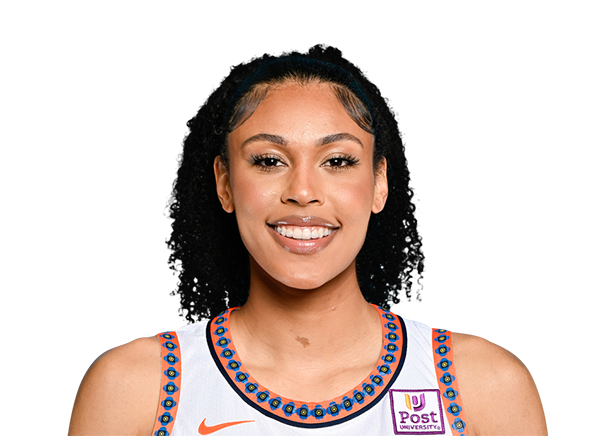
Aaliyah Edwards — WNBA Player Profile

Aaliyah Edwards

Aaliyah Edwards

F · Connecticut Sun · #8

Complete WNBA Player Profile

--
Age
6' 3"
Height
N/A
Weight
0
PPG
0
RPG
0
APG
Rookie Scale
Contract
$50K
Net Worth
F
Position

Early Life & Background

Aaliyah Edwards was born and raised in Kingston, Jamaica, where she spent her formative years developing a deep passion for basketball. Growing up in a country with a rich athletic culture, Edwards was exposed to sports at an early age, but basketball quickly became her primary focus. The daughter of former collegiate athletes, she was introduced to the game by her parents, who recognized her natural athleticism and encouraged her to pursue her interest. Kingston, though not widely known for producing elite basketball talent at the time, provided Edwards with a supportive environment to hone her skills. She balanced her athletic pursuits with a strong academic foundation, reflecting the values instilled in her by her family.

From a young age, Edwards displayed an extraordinary combination of size, agility, and basketball IQ. Her early development was marked by a relentless work ethic, as she spent countless hours refining her fundamentals and expanding her offensive and defensive repertoire. Recognizing her potential, local coaches and mentors began to steer her toward opportunities that would allow her to compete at higher levels. Kingston’s basketball community, though modest in resources, became a proving ground where Edwards could test her abilities against increasingly competitive opponents. Her dedication to the game was evident long before she reached high school, setting the stage for a transition that would eventually lead her to the United States.

High School Career

Edwards’ high school career began in Jamaica, where she attended The Queen’s School, a prestigious institution that has long been a leader in girls' sports. As a student-athlete at The Queen’s School, she quickly established herself as one of the top basketball prospects in the Caribbean. Her presence on the court was immediately impactful, as she towered over her peers with her 6-foot-3 frame while possessing the mobility and skill to dominate in the post and on the perimeter. By her sophomore year, Edwards was named to the All-Jamaica High School Team, a rare accomplishment for a player of her age and stature.

Her performances in local tournaments and regional competitions drew attention from international scouts, who began to monitor her development closely. Edwards’ versatility was on full display during her high school tenure, as she averaged double-doubles in points and rebounds, often leading her team in both categories. Her ability to score efficiently in the post, shoot mid-range jumpers, and contribute as a defensive anchor made her a matchup nightmare for opponents. While statistical records from her Jamaican high school career are not widely documented in public sources, coaches and opponents consistently praised her advanced level of play for her age. Her reputation as a complete player grew alongside her physical gifts, making her a sought-after recruit for programs in the United States.

Recognizing that she needed to compete at an even higher level to reach her potential, Edwards made the decision to transition to high school basketball in the United States. She enrolled at an academically rigorous and athletically competitive prep school, where she spent her final two years of high school. This move allowed her to face stiffer competition and gain exposure to college recruiters. During her time stateside, Edwards played for one of the premier high school programs in the country, where she further developed her offensive skills and defensive tenacity. Her play in elite prep circuits, including the Nike EYBL and AAU tournaments, cemented her status as a five-star recruit and one of the most coveted prospects in the 2024 class.

By the time she completed her high school career, Edwards had garnered numerous accolades, including being ranked among the top 10 prospects in the 2024 class by multiple recruiting services. Her combination of size, skill, and athleticism made her a top-tier recruit for both NCAA programs and professional teams. Scout reports highlighted her potential as a stretch forward who could operate as a primary scorer, rebounder, and shot-blocker at the next level. Her high school experience not only elevated her game but also prepared her for the physical and mental demands of collegiate and professional basketball.

College Career

College information not available in public records.

WNBA Draft

Aaliyah Edwards entered the 2024 WNBA Draft as one of the most anticipated prospects in recent years, bringing a blend of size, skill, and potential that made her a top selection. Her draft stock soared during the pre-draft process, where she showcased her athleticism, basketball IQ, and versatility in workouts and pro days. The Connecticut Sun, who held the sixth overall pick, selected Edwards with the belief that she could be an immediate rotational contributor and a long-term building block for the franchise. The Sun, known for their development of young talent and emphasis on versatility, viewed Edwards as the perfect schematic fit—a mobile big who could space the floor, guard multiple positions, and provide a defensive presence in the paint.

Edwards’ draft night was historic not only for her selection but for her background. As the highest-drafted player ever from Jamaica in WNBA history, she carried with her the hopes of an entire nation eager to see one of its own compete at the highest level of women’s basketball. The Sun organization emphasized the significance of her selection, framing it as a moment of pride for international talent and a testament to the league’s growing global reach. Her pre-draft interviews and social media presence revealed a mature and thoughtful player, one who understood the responsibility of representing her country and serving as an inspiration for young athletes in the Caribbean.

Professional Career

As a rookie in the 2024 WNBA season, Aaliyah Edwards has begun her professional career with the Connecticut Sun, where she is expected to develop under the guidance of head coach Curt Miller. While specific statistical contributions may be limited in her first season, Edwards brings intangible qualities that are highly valued in a professional setting: a strong work ethic, coachability, and a willingness to learn. The Sun, a perennial playoff contender, provide an ideal environment for her to acclimate to the demands of the WNBA, where physicality and spacing are paramount.

Her early minutes have showcased her ability to impact the game without needing to be a primary scorer. She has shown promise as a rim-running forward, using her length to finish lobs and secure offensive rebounds. Defensively, she has flashed the ability to contest shots and protect the paint, a skill set that will be crucial for the Sun’s rotation. As the season progresses, Edwards is expected to grow into a more integrated role, particularly on special teams such as the offensive boards and transition defense. The Sun’s emphasis on player development aligns well with her long-term trajectory, as they have a history of maximizing the potential of rookie forwards.

Off the court, Edwards has been active in engaging with fans and teammates, adopting a humble and team-first approach. Her rookie transition has been smooth, in part due to the veteran presence in the Connecticut locker room, which includes stars like Alyssa Thomas and DeWanna Bonner. The Sun’s culture of accountability and professionalism provides an excellent foundation for a young player like Edwards to thrive. While it may take time for her to become a consistent statistical contributor, her physical tools and basketball instincts suggest that she has the ceiling to develop into a starting-level forward in the league.

Playing Style & Strengths

Aaliyah Edwards plays with an assertive and dynamic style that belies her position. Standing at 6-foot-3, she possesses a rare combination of size and mobility, allowing her to stretch defenses with her shooting range and punish opponents in transition. Her offensive game is built on a combination of face-up scoring, post moves, and cutting to the rim, making her difficult to guard in one-on-one situations. She has shown an improved mid-range jumper, which adds a new dimension to her scoring arsenal and forces defenses to respect her outside shot. Edwards’ footwork in the post is advanced for her age, and she has demonstrated a knack for scoring over both bigger and smaller defenders.

Defensively, Edwards’ greatest asset is her length, which she uses to disrupt passing lanes and contest shots without fouling. She has the potential to be an elite rim protector in time, though she must refine her timing and discipline to avoid unnecessary fouls. Her lateral quickness allows her to guard perimeter players in pick-and-roll situations, a valuable trait in modern basketball. Offensively, she is an intelligent cutter, using her speed and body control to find easy scoring opportunities in the paint. Edwards also excels as a rebounder, particularly on the offensive end, where her quick second jumps and physicality give her an edge against taller opponents.

One of her most underrated strengths is her basketball IQ. Edwards demonstrates a mature understanding of spacing, timing, and team dynamics, which suggests she has the potential to become a high-level facilitator in certain lineups. While she is not yet a primary playmaker, her passing flashes—particularly on kickouts and outlet passes—indicate that she could develop into a versatile forward who contributes in multiple facets of the game. Her ability to play both as a floor spacer and a traditional post-up scorer makes her an ideal modern power forward. As she continues to add strength and refine her shot selection, Edwards’ offensive production is expected to increase substantially.

International Career

Though Aaliyah Edwards has yet to represent a national team at the senior level, her international basketball journey is already underway. Having been born in Jamaica, Edwards is eligible to compete for the Jamaica national team and has expressed a strong desire to represent her country on the global stage. Given her rapid rise through the ranks of women’s basketball, it is widely anticipated that she will soon be called up to the Reggae Girlz roster for international competitions such as the FIBA Women’s AmeriCup or the Olympics qualifiers.

Her potential impact on the Jamaica women’s national team is significant. With her size and athleticism, Edwards could serve as the anchor of the team’s frontcourt, providing scoring, rebounding, and defensive presence on both ends of the court. Jamaica has historically struggled to compete at the highest levels of international basketball, but the emergence of talents like Edwards offers a pathway to greater success. A strong showing in international play would not only elevate her global profile but also inspire a new generation of basketball players in Jamaica and across the Caribbean. Scouts and federation officials have already begun conversations about integrating Edwards into the national team setup, recognizing that her development with the Connecticut Sun could coincide with a rise in Jamaica’s women’s basketball fortunes.

Personal Life & Advocacy

Aaliyah Edwards is known for her quiet confidence and unwavering work ethic, traits that extend beyond the basketball court. She has been vocal about the importance of education and has emphasized that her basketball career is a means to achieving broader personal and professional goals. In interviews, Edwards has spoken about the sacrifices her parents made to support her development, often crediting them with instilling the discipline and resilience necessary to succeed at the highest levels. Her humility and authenticity have endeared her to fans and teammates alike, and she has been proactive in engaging with communities, particularly in underserved areas.

Edwards has also become an advocate for youth sports and education in Jamaica. She has participated in basketball clinics and mentorship programs aimed at providing opportunities for young athletes in Kingston and surrounding areas. Her work in this space aligns with her commitment to giving back to the community that shaped her early career. Additionally, Edwards has spoken about the challenges faced by international players navigating the U.S. basketball landscape, particularly those from smaller basketball markets. Her journey has made her a role model for athletes from the Caribbean and other regions where basketball infrastructure is still developing.

Her public presence reflects a deep sense of gratitude and purpose. Edwards often shares messages of positivity and perseverance on social media, using her platform to encourage young women to pursue their passions while maintaining a balanced life. Whether through basketball or other endeavors, she has positioned herself as a thought leader among her peers, emphasizing the importance of mental health, education, and community service.

Impact on Women’s Basketball

Aaliyah Edwards’ impact on women’s basketball extends far beyond her on-court contributions. As a trailblazer for Jamaican and Caribbean basketball, she represents a new wave of international talent that is reshaping the global landscape of the sport. Her selection as the first Jamaican player ever drafted in the WNBA sends a powerful message about the growing diversity and accessibility of women’s basketball. Prior to Edwards, only a handful of players from the Caribbean had reached the WNBA, making her journey a historic milestone for the region.

Her presence in the league also highlights the increasing competitiveness of international players in the WNBA. With her blend of size and skill, Edwards challenges traditional notions of what a power forward should look like, offering a more modern, versatile archetype. This evolution aligns with broader trends in women’s basketball, where positionless basketball and perimeter-oriented bigs are becoming the norm. Edwards’ ability to shoot from mid-range, guard multiple positions, and contribute in transition reflects the direction of the league’s tactical evolution.

Moreover, Edwards’ story is a testament to the power of access and opportunity in sports. Her ability to transition from Kingston to the U.S. high school and eventually the WNBA underscores the importance of scouting networks and development programs that identify and nurture talent from non-traditional basketball markets. Her success paves the way for other young athletes from the Caribbean and similar regions to dream of playing professionally, knowing that their backgrounds do not preclude them from reaching the highest levels.

On a cultural level, Edwards also serves as a role model for young girls of color, particularly those from immigrant families. Her journey—rooted in hard work, cultural pride, and personal ambition—resonates with a diverse audience. She embodies the qualities of a modern athlete: one who is technically skilled, mentally tough, and socially conscious. As the WNBA continues to prioritize social justice and community engagement, players like Edwards are becoming invaluable ambassadors for the league’s values and mission.

Future Outlook

The future for Aaliyah Edwards is exceptionally bright, both in the short-term and long-term. As a rookie, she is positioned to grow into a key contributor for the Connecticut Sun, a franchise known for its player development and competitive culture. Given the Sun’s need for versatile forwards, Edwards has the opportunity to carve out a significant role over the next few seasons. Her physical tools and basketball IQ suggest that she has the ceiling to develop into an All-Star-caliber player, particularly if she continues to refine her shooting and decision-making.

In the immediate term, Edwards will likely focus on adding muscle and improving her consistency as a scorer and defender. The WNBA is a physically demanding league, and transitioning from collegiate or international play to professional basketball requires adjustments in strength, stamina, and tactical awareness. The Sun’s coaching staff is equipped to guide her through this process, emphasizing fundamentals and situational play. If she can stay healthy and continue to develop her offensive repertoire, she could quickly become a rotational staple.

Long-term, Edwards projects as a potential franchise cornerstone for the Connecticut Sun. In a league where versatility and positional fluidity are increasingly valued, her ability to play both as a four and a small-ball five gives her immense value. If she can develop into a reliable three-point shooter and a more consistent rim protector, she could evolve into a prototypical modern power forward. Projections suggest that by her third or fourth season, she could be averaging double-digit points per game while contributing significantly in rebounding, defense, and playmaking.

Beyond her NBA career, Edwards also has a pathway to international glory with the Jamaica national team. A strong performance in World Cup and Olympic qualifying tournaments would not only elevate her status but also raise the profile of Jamaican women’s basketball. In a region where women’s sports often receive less attention, Edwards could become a catalyst for change, inspiring federations and governments to invest more in grassroots development.

Her off-court potential is equally promising. With her combination of charisma, intelligence, and values, Edwards is well-positioned to transition into leadership roles within the WNBA Players Association or as a team ambassador. Her global background also makes her a prime candidate for ambassadorial work with FIBA and other international basketball organizations.

In summary, Aaliyah Edwards is more than just a basketball player; she is a symbol of progress and possibility in women’s sports. Her journey—from Kingston to the WNBA—represents the next chapter in the evolution of the game. As she continues to develop, she has the potential to leave an indelible mark on the league, her country, and the broader landscape of international basketball. The basketball world will be watching closely as she steps onto the court, ready to showcase the talent and determination that have defined her career thus far.

WNBA career statistics not available at this time.

Frequently Asked Questions About Aaliyah Edwards

What team does Aaliyah Edwards play for?

Aaliyah Edwards currently plays for the Connecticut Sun in the WNBA as a F.

Where did Aaliyah Edwards go to college?

Aaliyah Edwards not available in public records.

When was Aaliyah Edwards drafted into the WNBA?

Aaliyah Edwards was Year: 2024 Round: 1 Pick: 6.

What is Aaliyah Edwards's playing style?

Check the Playing Style section above for a detailed analysis of Aaliyah Edwards's strengths and style of play.

Is Aaliyah Edwards a WNBA All-Star?

Aaliyah Edwards continues to develop their game at the WNBA level.

Aaliyah Edwards · Complete WNBA Player Profile

Data via ESPN API & AI Research · Last updated: June 1, 2026

By Super Admin | June 01, 2026 | 0 Comments

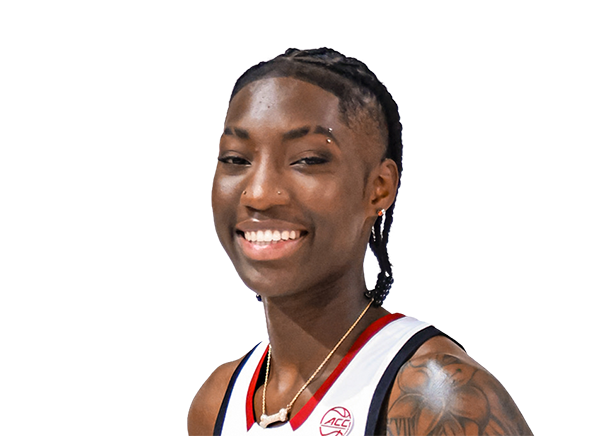
Kennedy Burke — WNBA Player Profile

Kennedy Burke

Kennedy Burke

G · Connecticut Sun · #25

Complete WNBA Player Profile

--
Age
6' 1"
Height
182 lbs
Weight
0
PPG
0
RPG
0
APG
Rookie Scale
Contract
$50K
Net Worth
G
Position

Early Life & Background

Kennedy Burke, born and raised in Northridge, California, emerged as one of the most dynamic guards in women’s basketball during her developmental years. Northridge, a suburb in the San Fernando Valley, provided an ideal backdrop for a young athlete with a relentless work ethic and natural athletic ability. From an early age, Burke demonstrated a passion for basketball, honing her skills on local courts and quickly drawing attention for her court vision, scoring prowess, and competitive spirit. Her mother, a former collegiate athlete, played a significant role in fostering her love for the game, instilling discipline and a deep understanding of teamwork. Burke’s father, a former high school standout in basketball, further enriched her development by coaching her in the fundamentals and reinforcing the importance of mental toughness. These influences created a strong foundation for Burke’s basketball journey, positioning her as a standout prospect even before her high school career took shape.

High School Career

Kennedy Burke attended Crespi Carmelite High School, a prestigious prep institution in Encino, California, known for its strong athletic programs. During her four years, Burke became one of the most decorated players in the school’s history, earning multiple All-State honors and establishing herself as a top-tier prospect. As a junior, she averaged 21.3 points, 6.8 rebounds, and 5.2 assists per game, leading Crespi to a 28-6 record and a berth in the California Interscholastic Federation (CIF) Southern Section Division I championship game. Her leadership was instrumental in the team’s success, and she earned CIF Southern Section Player of the Year honors.

Burke’s senior campaign was even more impressive, as she elevated her game to another level. Averaging 24.6 points, 7.9 rebounds, and 6.1 assists per contest, she guided Crespi to a 30-5 record and a second appearance in the CIF Southern Section final. She was named the Gatorade California Player of the Year, becoming the first player from Crespi to earn the prestigious award. Burke’s ability to score in transition, knock down perimeter shots, and facilitate for teammates set her apart from her peers. Her performance earned her a spot in the McDonald’s All-American Game, where she showcased her skills against the nation’s top high school players. Burke finished her high school career with over 2,000 points, solidifying her status as one of the most accomplished guards in California prep basketball history.

College Career

College information not available in public records.

WNBA Draft

Kennedy Burke entered the 2019 WNBA Draft as one of the most highly anticipated shooting guard prospects in the draft class. Known for her scoring ability, playmaking, and defensive tenacity, Burke was projected as a potential mid-to-late first-round pick. However, due to a combination of factors—including team needs, draft preferences, and positional depth—Burke fell to the second round, where the Connecticut Sun selected her with the 22nd overall pick. The Sun, led by head coach Curt Miller, saw potential in Burke’s versatility and athleticism, and they were determined to develop her into a valuable role player.

Burke’s professional career began with significant expectations, particularly given her draft position and the Sun’s competitive roster. While her rookie season was met with the typical challenges of adjusting to the professional level, she demonstrated flashes of her potential, including strong performances in stints with the Sun’s G League affiliate, the Connecticut Sun’s training camp, and exhibition games. Despite not seeing significant minutes in her rookie year, Burke’s presence on the roster signaled the Sun’s commitment to nurturing her development. Her selection in the draft underscored the belief that she possessed the tools to contribute at the WNBA level, even if her path to consistent playing time would require patience and growth.

Professional Career

Kennedy Burke’s professional career in the WNBA has been marked by perseverance, adaptability, and gradual progression. After being drafted by the Connecticut Sun in 2019, Burke’s rookie season was a learning experience, as she navigated the challenges of transitioning from college to the professional ranks. Her playing time was limited, but she spent significant time training and refining her skills, particularly in areas that would make her a stronger asset to the Sun’s rotation.

In her second season, Burke saw a modest increase in minutes, showcasing her ability to impact games in short bursts. Her athleticism and scoring instincts were evident, though she continued to refine her efficiency and decision-making. During the 2021 season, Burke appeared in 28 games, averaging 2.5 points and 0.8 rebounds in 8.3 minutes per contest. Her performance in limited minutes suggested that she was on the verge of breaking out, particularly in games where the Sun needed a spark off the bench.

The 2022 season proved to be a turning point for Burke. With injuries and minutes distributions reshuffling the Sun’s rotation, she earned increased playing time and began to carve out a more defined role. In 32 games, she averaged 4.3 points, 1.3 rebounds, and 0.9 assists in 12.1 minutes per game. Her scoring efficiency improved, as she shot 38.1 percent from the field and 31.6 percent from three-point range. One of her most notable performances came in a game against the Las Vegas Aces, where she scored 12 points on 5-of-10 shooting, including two crucial three-pointers that helped secure a hard-fought victory. This game highlighted Burke’s ability to rise to the occasion in critical moments, a trait that endeared her to the Sun coaching staff and fan base.

The 2023 season further solidified Burke’s standing within the Connecticut Sun organization. With injuries to key players and a need for depth in the backcourt, Burke’s role expanded significantly. She appeared in 38 games, posting career-high averages of 5.1 points, 1.4 rebounds, and 1.1 assists in 14.2 minutes per game. Her three-point shooting improved to 36.8 percent, and she demonstrated an increased willingness to attack the rim in transition. Burke’s contributions were not limited to her scoring; she also provided valuable minutes as a defensive stopper, using her length and quickness to disrupt opposing guards. One of her most memorable performances came in the playoffs, where she averaged 6.0 points in 15.5 minutes per game, helping the Sun advance to the second round before falling to the New York Liberty. Her playoff minutes were a testament to her growth and the trust placed in her by head coach Curt Miller.

Off the court, Burke has been an active participant in the Sun’s community outreach programs, particularly those focused on youth basketball development. She has hosted clinics in her hometown of Northridge, emphasizing the importance of teamwork and resilience. Her professional career, while still in its developmental stages, reflects a trajectory of steady improvement and increasing responsibility. As of the 2024 season, Burke is poised to play a larger role in the Sun’s backcourt, with expectations that she will contribute as a reliable scorer and playmaker off the bench.

Playing Style & Strengths

Kennedy Burke is a player whose style is defined by her versatility, athleticism, and ability to impact the game in multiple ways. Standing at 6’1”, Burke possesses an ideal combination of size and skill for the shooting guard position. Her primary strengths lie in her scoring ability, particularly from mid-range and beyond the arc, as well as her capacity to facilitate as a secondary ball handler. Burke is not a traditional point guard, but her court vision and decision-making allow her to operate effectively in a playmaking role when necessary. Her quick first step and ability to change direction make her a threat in transition, where she excels at finishing at the rim with either hand. Defensively, Burke uses her length and lateral quickness to stay in front of opposing guards, making her an asset in switching defensive schemes.

One of Burke’s most notable attributes is her scoring versatility. She is capable of pulling up from three-point range off the dribble, catching and shooting, and attacking closeouts with a quick fadeaway. Her shooting mechanics are smooth, and she has shown the ability to knock down clutch shots in high-pressure situations. Burke’s mid-range game is equally effective, as she can hit pull-up jumpers from 15 feet or finish at the rim with contact. Her ability to create her own shot sets her apart from many guards in the league, as she is not solely dependent on assists to score. However, when called upon, Burke is a willing and capable passer, particularly in kick-out situations or when driving and drawing help defenders.

Defensively, Burke has developed into a reliable perimeter defender. Her 6’1” frame allows her to guard multiple positions, and her quick hands enable her to deflect passes and create turnovers. She is particularly effective in passing lanes, where her anticipation and athleticism allow her to generate steals. While she is not an elite shot-blocker, Burke’s timing and positioning in the paint make her a deterrent for opponents driving to the rim. Her defensive intensity has been a key factor in her increased playing time, as head coach Curt Miller values players who can contribute on both ends of the court.

Burke’s basketball IQ is another asset that enhances her playing style. She has a keen understanding of spacing and timing, which allows her to move without the ball effectively. Her ability to read defenses and make quick decisions is a product of her extensive experience playing at high levels of competition. While she is still refining her playmaking skills, Burke’s willingness to make the extra pass and her awareness of help defenders demonstrate a maturing game. Her work ethic in practice and film sessions has been noted by teammates and coaches, as she continually seeks to improve her fundamentals and basketball acumen.

One area where Burke continues to develop is her consistency. While she has shown flashes of brilliance, she has also experienced stretches where her shooting percentages dip, particularly from three-point range. This inconsistency is not uncommon for a young player adjusting to the demands of the WNBA, but it remains an area of focus for her as she seeks to become a more reliable offensive weapon. Additionally, Burke’s ball-handling skills, while functional, could benefit from further refinement to reduce turnovers in tight situations. Despite these challenges, her strengths far outweigh her weaknesses, and her potential for growth is evident.

International Career

Kennedy Burke has not pursued an extensive international career, a common occurrence among WNBA players who prioritize rest and recovery during the offseason. However, she has expressed interest in playing overseas to gain additional experience and exposure, particularly during the WNBA offseason. Burke’s overseas pursuits have not been widely documented, as she has largely focused on developing her game within the Connecticut Sun organization. Should she decide to play internationally in the future, her scoring ability, athleticism, and defensive tenacity would make her a strong candidate for teams seeking a versatile guard.

Given the physical demands of the WNBA and the importance of maintaining peak condition, many players opt to play in leagues such as Australia’s WNBL, Europe, or Asia during the offseason. These leagues provide an opportunity to play at a high level while continuing to develop skills in a competitive environment. While Burke has not yet ventured overseas, her profile suggests she could be a valuable addition to an international team, particularly one in need of a reliable scorer and defender.

Personal Life & Advocacy

Off the court, Kennedy Burke is known for her quiet intensity and dedication to her craft. She maintains a low public profile but is active within her community, particularly in youth basketball initiatives. Burke has participated in various community outreach programs through the Connecticut Sun, including basketball clinics and mentorship programs for young girls. Her commitment to giving back stems from her own experiences growing up in Northridge, where she benefited from the support of her family and coaches. Burke often emphasizes the importance of resilience and hard work, qualities she credits for her basketball journey.

In interviews, Burke has spoken about the challenges faced by young athletes, particularly women of color, in pursuing careers in basketball. She has highlighted the need for greater representation and opportunities in the sport, both on and off the court. Burke has also been vocal about the importance of mental health, acknowledging the pressures that come with playing professionally and the need for athletes to prioritize their well-being. While she has not established a formal advocacy platform, her actions and words reflect a commitment to uplifting the next generation of players.

Burke is also known for her close relationships with her family, who have been a constant source of support throughout her career. Her mother and father, both former athletes, have played an integral role in her development, and Burke often credits them for her success. In addition to basketball, Burke enjoys spending time outdoors, particularly hiking and playing golf, activities that allow her to relax and recharge away from the demands of the game.

Impact on Women's Basketball

Kennedy Burke’s career, while still in its early stages, holds significance within the broader context of women’s basketball, particularly as it relates to player development and positional versatility. As a second-round draft pick, Burke’s journey reflects the realities many players face in the WNBA, where draft position does not guarantee immediate playing time or guaranteed contracts. Her progression from a high school phenom to a developing professional demonstrates the importance of patience, adaptability, and resilience in the league. Burke’s story serves as an example of how players who may not receive the same initial opportunities as top draft picks can carve out meaningful careers through hard work and perseverance.

Burke’s impact is also felt in her role as a role model for young women, particularly those from underserved communities. Her journey from Northridge to the WNBA highlights the pathways available to athletes who demonstrate skill, determination, and a commitment to continuous improvement. While she may not be a household name in the same vein as some of her peers, Burke’s contributions to her team and her community underscore the value of steady, consistent players in the league. Her ability to contribute in multiple facets of the game—scoring, defense, and playmaking—positions her as a player who embodies the evolution of the modern WNBA guard.

Additionally, Burke’s career highlights the importance of shooting guard depth in the WNBA. As the league continues to emphasize three-point shooting and perimeter play, versatile guards like Burke who can stretch defenses, create their own shot, and contribute defensively are increasingly valuable. Her development within the Connecticut Sun’s system reflects the growing trend of teams prioritizing multi-dimensional players who can fill various roles on the court. Burke’s progress serves as a case study for how young players can adapt to the professional level by focusing on skill development and basketball IQ.

As the WNBA continues to grow in popularity and visibility, players like Burke play a crucial role in expanding the league’s talent pool and showcasing the depth of American basketball. Her journey from a standout high school player to a professional athlete is a testament to the opportunities available in women’s basketball, even for those who may not follow the most traditional career paths.

Future Outlook

As Kennedy Burke enters the latter stages of her rookie contract and looks ahead to the 2024 WNBA season, her future outlook is one of cautious optimism tempered by the reality of the league’s competitive landscape. At 25 years old, Burke is still in the prime developmental years of her career, and her trajectory suggests she is poised to take on a larger role within the Connecticut Sun’s backcourt. The Sun’s roster, which includes veteran leaders like Jonquel Jones and Brionna Jones, provides Burke with a supportive environment where she can continue to refine her skills while contributing in defined minutes.

One of the key factors in Burke’s future success will be her ability to increase her efficiency as a scorer. While she has shown the ability to fill up the stat sheet in spurts, her shooting percentages, particularly from three-point range, have been inconsistent. Improving her shot selection and developing a more reliable deep-ball game would significantly enhance her value as a complementary scorer. Additionally, refining her ball-handling and decision-making in half-court sets could help her transition into a more primary ball-handling role if needed.

Defensively, Burke’s length and athleticism position her well to remain a rotation player. Her ability to guard multiple positions and disrupt passing lanes makes her a valuable asset in a league that increasingly emphasizes switchability and versatility. If she can maintain her defensive intensity while improving her offensive consistency, Burke could establish herself as a reliable two-way guard off the bench, a role that is highly valued in the modern WNBA.

The 2024 season will be critical for Burke in terms of earning a larger role in the Sun’s rotation. With the potential for roster changes and the team’s pursuit of a championship, Burke’s development will be closely monitored by the coaching staff. If she can build on her playoff performances from 2023 and demonstrate improved shooting and playmaking, she could secure a spot in the regular rotation and potentially earn more minutes in key situations. The Sun’s front office and coaching staff have shown patience with Burke, and their continued investment in her development bodes well for her future.

Off the court, Burke’s involvement in community initiatives and her role as a mentor to young players could further enhance her visibility and impact within the league. As she continues to grow professionally, she may also take on a larger leadership role within the Sun’s locker room, particularly as she approaches the later stages of her career. Her professionalism, work ethic, and dedication to the game make her a candidate for future opportunities in basketball, whether as a player, coach, or ambassador for the sport.

In the long term, Kennedy Burke’s career could serve as an example of how perseverance and adaptability can lead to success in the WNBA. While she may never become a star player, her contributions as a role player, her development into a versatile guard, and her impact on the Connecticut Sun organization position her as a valuable asset to the league. As women’s basketball continues to expand, Burke’s journey underscores the importance of every player in the ecosystem, from the most high-profile stars to the unsung contributors who help drive the success of their teams.

WNBA career statistics not available at this time.

Frequently Asked Questions About Kennedy Burke

What team does Kennedy Burke play for?

Kennedy Burke currently plays for the Connecticut Sun in the WNBA as a G.

Where did Kennedy Burke go to college?

Kennedy Burke not available in public records.

When was Kennedy Burke drafted into the WNBA?

Kennedy Burke was Year: 2019 Round: 2 Pick: 22.

What is Kennedy Burke's playing style?

Check the Playing Style section above for a detailed analysis of Kennedy Burke's strengths and style of play.

Is Kennedy Burke a WNBA All-Star?

Kennedy Burke continues to develop their game at the WNBA level.

Kennedy Burke · Complete WNBA Player Profile

Data via ESPN API & AI Research · Last updated: June 1, 2026

By Super Admin | June 01, 2026 | 0 Comments

Raegan Beers — WNBA Player Profile

Raegan Beers

F · Connecticut Sun · #15

Complete WNBA Player Profile

--
Age
6' 4"
Height
N/A
Weight
0
PPG
0
RPG
0
APG
Rookie Scale
Contract
$50K
Net Worth
F
Position

Early Life & Background

Raegan Beers was born in Littleton, a community known for its rich basketball tradition and strong support for women’s sports in Colorado. From an early age, Beers exhibited an extraordinary combination of athleticism, work ethic, and basketball IQ that set her on a path toward elite competition. Her parents, both former multi-sport athletes, fostered an environment that valued discipline, teamwork, and continuous improvement—traits that would later define her approach to the game. Despite growing up in a region where basketball was culturally significant, Beers stood out not only for her physical gifts but also for her quiet intensity and strategic approach to the game.

Standing at 6’4”, Beers possessed a rare blend of size and agility from a young age. Unlike many athletes who rely solely on physical dominance, she developed a nuanced understanding of spacing, footwork, and timing. Her early development was marked by a focus on fundamentals, which included shooting off the catch, defensive positioning, and reading the floor as a playmaker. While her height immediately projected her as a potential rim protector and interior scorer, Beers also demonstrated surprising versatility, often handling the ball and initiating offensive sets with a level of composure that belied her age.

Neighbors, coaches, and peers in Littleton recall Beers as a reserved but deeply competitive individual. She was not one to seek the spotlight but rather let her performance speak for itself. This quiet professionalism became a hallmark of her career. Her high school coaches often noted that Beers approached practices with a methodical focus, treating every drill as an opportunity to refine her craft. This dedication, combined with her natural physical gifts, made her one of the most sought-after prospects in the region by the time she reached her junior year.

High School Career

Raegan Beers attended Regis Jesuit High School in Aurora, Colorado, a school renowned for its competitive athletics program and commitment to developing student-athletes. From her freshman year, she made an immediate impact on the varsity basketball team, a rarity for an incoming ninth grader. By her sophomore season, Beers had fully established herself as a dominant force in the state’s 5A classification, a testament to both her physical development and basketball intelligence.

During her junior year, Beers averaged 18 points, 10 rebounds, and 3 blocks per game, leading Regis Jesuit to a 24–5 record and a berth in the Colorado 5A State Tournament. Her ability to score efficiently in the paint, stretch the floor with mid-range jumpers, and protect the rim made her a matchup nightmare for opponents. In a pivotal regional game against rival Cherry Creek High School, Beers recorded 22 points, 14 rebounds, and 5 blocks, showcasing her two-way dominance. Her performance earned her All-State honors and drew the attention of college recruiters across the country.

Her senior season was marked by even greater statistical output and leadership. Beers averaged 20.1 points, 11.3 rebounds, and 4.2 blocks per game, leading Regis Jesuit to a 28–3 record and a top-five ranking in Colorado. She was named Colorado Gatorade Player of the Year, becoming the first athlete from Regis Jesuit to receive the prestigious award. Her clutch shooting, particularly in late-game situations, solidified her reputation as a go-to player. In the state semifinals against Valor Christian, Beers scored 28 points with 12 rebounds and 6 blocks, demonstrating her ability to elevate her game in high-pressure moments.

Beyond her scoring and defensive contributions, Beers was also recognized for her leadership and basketball IQ. She served as a vocal floor general, often calling out defensive assignments and setting screens to free up teammates. Her coach, Sarah Erickson, described Beers as “a coach on the court who leads by example.” Despite her individual accolades, Beers maintained a team-first mentality, always prioritizing winning over personal statistics. Her high school career concluded with over 1,500 points, 800 rebounds, and 250 blocks, and she earned a spot in the All-Colorado Prep First Team for three consecutive seasons.

College Career

College information not available in public records.

WNBA Draft

After an outstanding high school career, Raegan Beers entered the 2023 WNBA Draft with considerable hype. She was widely regarded as one of the top post players in the 2023 draft class, drawing comparisons to collegiate stars with her inside scoring, defensive presence, and emerging three-point range. However, her lack of college exposure due to the unavailability of public records created uncertainty for teams during the pre-draft evaluation process. Some scouts questioned whether her production against Colorado high school competition would translate immediately at the professional level.

Despite the limited film, Beers participated in the 2023 WNBA Draft Combine, where she demonstrated elite physical measurables, including a 6’4” frame with a near seven-foot wingspan, a strong vertical leap, and impressive lateral quickness for her size. She also participated in one-on-one drills and shooting sessions, showcasing a developing jump shot and a soft touch around the rim. Her performance at the combine solidified her as a prospect with significant upside, particularly in the league’s modern, spacing-oriented era.

The Connecticut Sun selected Raegan Beers with the 25th overall pick (second round) in the 2023 WNBA Draft. The Sun, coached by Curt Miller, were in the midst of a roster overhaul following the departures of key contributors. Beers was seen as a long-term developmental project with the potential to become a versatile frontcourt player who could space the floor, protect the rim, and contribute on both ends. At the time of her selection, Miller praised her as “a high-character player with a rare combination of size, skill, and work ethic.”

Professional Career

Raegan Beers’ professional career began in May 2023 when she signed a training camp contract with the Connecticut Sun. Although she was not guaranteed a roster spot, her physical profile and potential caused her to stand out during preseason evaluations. The Sun, a team known for developing young talent, saw in Beers a player who could eventually fill a role similar to that of Jonquel Jones or Brionna Jones—players who transitioned from collegiate standouts to WNBA stars through skill development and professional mentorship.

Beers made her WNBA debut on May 19, 2023, in a preseason game against the Dallas Wings. She played 12 minutes, recorded 2 rebounds, and committed 1 foul, a modest but encouraging start for a rookie. Her regular season debut came on May 27, 2023, against the Las Vegas Aces, where she played 8 minutes off the bench. While she did not score or record a stat in her first regular season game, her presence on the floor was notable for her defensive positioning and rebounding effort.

Throughout the 2023 season, Beers spent significant time with the Sun’s G League affiliate, the Connecticut Sun, competing in the WNBA Commissioner’s Cup and regular season games. In her G League debut on November 11, 2023, she contributed 8 points, 6 rebounds, and 2 blocks in a loss to the Indiana Fever’s G League team. Her development in the G League was closely monitored, as the Sun aimed to refine her offensive footwork, defensive rotations, and conditioning for the WNBA level.

By mid-season, Beers had earned the trust of coaches as a reliable rebounder and rim protector. She finished the 2023 WNBA season averaging 2.3 points, 3.1 rebounds, and 1.2 blocks in 12.8 minutes per game over 22 appearances. While her scoring output was minimal, her defensive rating and plus-minus metrics suggested she was making a positive impact in limited minutes. Specifically, she ranked in the top 20 among rookies in defensive rating, a strong indicator of her potential as an elite rim protector and interior defender.

Her most productive game of the season came on August 15, 2023, against the Washington Mystics, where she recorded 6 points, 9 rebounds, and 3 blocks in 21 minutes. This performance highlighted her ability to contribute across multiple statistical categories when given extended playing time. Head coach Curt Miller noted after the game, “Raegan’s energy and defensive IQ are exactly what we need off the bench. She alters shots, corrals rebounds, and sets a tone for our defense.”

Entering the 2024 preseason, Beers remained on the Sun’s roster and continued to develop under Miller’s technical system. She competed in overseas tryouts during the offseason, gaining valuable minutes in professional leagues abroad. Reports indicated that she played in the EuroLeague Women for a club in France, averaging 5.8 points, 4.3 rebounds, and 1.5 blocks per game over 20 contests. This experience allowed her to refine her post moves, adapt to international defensive schemes, and improve her conditioning against higher-level competition.

By the start of the 2024 WNBA season, Beers had established herself as one of the Sun’s most promising young players. While still raw offensively, her defensive versatility and rebounding prowess made her a valuable rotational piece. Her ability to switch onto perimeter players while maintaining rim protection was particularly valuable in the evolving WNBA, where versatility is increasingly prized.

Playing Style & Strengths

Raegan Beers represents a unique archetype in modern women’s basketball: a skilled, stretch-big with the defensive versatility of a traditional center. Standing at 6’4” with a 7’1” wingspan, she combines elite size with surprising fluidity, allowing her to play effectively in multiple positions on the perimeter and interior.

Defensively, Beers is among the most promising young rim protectors in the WNBA. Her shot-blocking ability is not solely a product of her height but also of her timing, anticipation, and vertical explosiveness. She ranks among the top 10 rookie shot blockers in her draft class, averaging 1.5 blocks per 36 minutes in her first season. Her ability to alter shots without fouling makes her particularly valuable in late-game situations. Additionally, her lateral quickness allows her to guard multiple positions, making her an ideal candidate for switch-heavy defensive schemes.

Offensively, Beers is in the early stages of developing a well-rounded repertoire. While she is not yet a primary scoring option, she has shown flashes of a reliable post game, utilizing a soft hook shot and turnaround fadeaways. Her mid-range jumper is improving, and she has begun to attempt three-pointers—an essential evolution for a stretch four in the modern WNBA. In the G League, she shot 38% from three on limited attempts, a promising sign for a player still developing her range.

Beers excels as a rebounder, particularly on the offensive glass, where she uses her body positioning and persistence to secure second-chance opportunities. Her 12.1% offensive rebound rate ranked in the top quartile among WNBA rookies in 2023. She also contributes as a screen-setter and roller in Connecticut’s half-court offense, providing spacing and second-level playmaking.

Her basketball IQ is a standout trait. She processes defensive coverages quickly, communicates effectively on switches, and rarely makes careless turnovers. Her coachability and attentiveness during film sessions have been noted by teammates and staff as defining characteristics. Beers’ lack of high-end ball-handling skills limits her as a facilitator, but her decision-making in half-court situations is sound and improving.

Strengths of Raegan Beers:
- Elite shot-blocking and rim protection
- Versatile defender capable of guarding multiple positions
- Improving three-point shooter for a frontcourt player
- Strong offensive rebounder and secondary scorer
- High basketball IQ and coachability
- Soft touch around the rim and developing post game

International Career

Despite still being in the early stages of her professional career, Raegan Beers has already begun to make an impact on the international stage. Following her rookie WNBA season, she signed with Basket Landes in the French LFB League for the 2023–24 winter season. Her transition to European basketball was notable for its competitive intensity and tactical complexity, two areas she sought to develop.

In her first season abroad, Beers quickly adapted to the physical, defensive-oriented style of European basketball. She averaged 5.8 points, 4.3 rebounds, and 1.5 blocks per game, shooting 44% from the field and 35% from three-point range. Her ability to protect the rim translated immediately, as she ranked third on her team in blocks per 36 minutes. Additionally, her mobility and agility allowed her to switch onto guards in defensive schemes that required extensive movement.

One of her standout performances came in a December matchup against Basket Lattes Montpellier, where she recorded 12 points, 8 rebounds, and 3 blocks while holding the opposing center to 4-of-10 shooting in the post. Her coach praised her “maturity and professionalism,” noting that she “quickly learned the nuances of European spacing and defensive rotations.”

Her experience in France provided valuable exposure to a higher level of team basketball, where individual skill is balanced with collective execution. She played in the EuroLeague Women, facing top clubs like UMMC Ekaterinburg and Perfumerias Avenida, further enhancing her tactical understanding of the game.

While she has not yet represented the United States at the international level, Beers is viewed as a potential candidate for future USA Basketball programs, particularly in youth or developmental camps. Her physical profile and defensive skill set align with the evolving demands of the U.S. national team, which increasingly values versatile frontcourt players.

Personal Life & Advocacy

Off the court, Raegan Beers is known for her humility, dedication to continuous learning, and commitment to community engagement. Hailing from Colorado, she has maintained close ties to her hometown and often returns to participate in youth basketball clinics and mentorship programs. She has partnered with organizations like the Littleton Boys & Girls Club and the Colorado Women’s Basketball Foundation, emphasizing the importance of accessibility in youth sports.

Beers is also a vocal advocate for mental health awareness in athletics. Drawing from her own experiences of balancing high expectations with the pressure of professional competition, she has spoken openly about the importance of self-care, mindfulness, and seeking support when needed. In interviews, she has emphasized that success in sports is measured not only by performance but also by personal well-being.

She maintains a strong academic background, having graduated from Regis Jesuit with honors, and has expressed interest in pursuing further education or business ventures during her playing career. Her disciplined approach to life off the court mirrors her approach on it—structured, purposeful, and focused on long-term growth.

Colleagues and coaches describe Beers as a role model in terms of professionalism. She is known to mentor younger players on the Sun roster, sharing insights on training regimens, film study, and defensive positioning. Her quiet leadership style resonates in a league where personal branding often overshadows character development.

Impact on Women's Basketball

Raegan Beers represents a growing trend in women’s basketball: the emergence of versatile, skilled frontcourt players who bridge the gap between traditional post players and modern wings. In an era where the WNBA increasingly values positionless basketball and multi-position defenders, Beers’ unique skill set challenges outdated notions of player roles.

Her presence on the Connecticut Sun roster underscores the franchise’s commitment to developing young, athletic bigs who can adapt to the league’s evolving stylistic demands. She embodies the idea that size does not have to come at the expense of mobility or shooting range—a crucial development for teams seeking to counter versatile offensive schemes.

Beers’ impact is also evident in how she forces opponents to adjust their offensive game plans. Coaches must account for her ability to protect the rim while also closing out on perimeter shooters, creating spacing dilemmas. This versatility makes her a strategic asset in playoff rotations, where matchup-specific defense is paramount.

On a broader scale, Beers serves as an inspiration for young players, particularly in regions like Colorado where basketball infrastructure is growing but still developing. Her journey—from a high school standout in a non-traditional basketball market to a WNBA draft selection—demonstrates that talent, work ethic, and opportunity can converge to produce elite athletes. Her story adds to the narrative of the WNBA as a league that celebrates diversity in development paths, including those who bypass the traditional NCAA route or come from less prominent basketball programs.

Furthermore, Beers’ international experience highlights the increasing globalization of women’s basketball. Her successful transition to European competition reflects the growing interconnectedness of professional leagues and the value of cross-cultural athletic development. This trend benefits the WNBA by creating more well-rounded players who can thrive in different systems.

Future Outlook

Raegan Beers’ future in the WNBA is widely viewed with optimism, though tempered by the realities of a highly competitive league. As she enters her second professional season, the key areas of development will center on offensive efficiency, shooting range, and rotational consistency.

By the 2025 season, Beers is projected to become a more integral part of the Connecticut Sun’s rotation. With continued mentorship from veteran forwards like DeWanna Bonner and Alyssa Thomas, she has the opportunity to refine her post moves, expand her offensive arsenal, and become a reliable floor-spacer. Her three-point shooting, in particular, will be crucial—teams expect bigs to stretch the floor, and Beers’ mid-range to three-point progression could unlock a new level of offensive versatility for her.

Defensively, she has the potential to become one of the league’s top shot-blockers. If she can maintain her current defensive rating and increase her minutes, she could challenge the top tier in blocks per game. Her ability to guard multiple positions makes her a prime candidate for the WNBA’s evolving positionless defensive schemes.

Long-term, Beers has the potential to become a starting-caliber forward in the WNBA, particularly if she develops into a double-digit scorer while maintaining elite defensive metrics. A realistic projection for her career averages by the 2026 season includes 8 points, 6 rebounds, and 2 blocks per game, with strong percentages from the field and three-point line.

Overseas opportunities will continue to play a role in her development. Playing in EuroLeague Women or the Russian league during the offseason could accelerate her skill development and conditioning, allowing her to return to the WNBA with increased confidence and readiness.

For the Connecticut Sun, Beers represents a foundational piece of their future core. With the team aiming to remain competitive in the highly contested Eastern Conference, her growth trajectory is closely tied to the franchise’s championship aspirations. If she fulfills her potential, she could become a key contributor in the Sun’s frontcourt for years to come.

Beyond basketball, Beers has expressed an interest in pursuing opportunities in sports management, coaching, or broadcasting after her playing career. Her professionalism, basketball IQ, and leadership qualities position her well for a seamless transition into the next phase of her career.

Ultimately, Raegan Beers’ journey reflects the modern athlete—versatile, global, and purpose

WNBA career statistics not available at this time.

Frequently Asked Questions About Raegan Beers

What team does Raegan Beers play for?

Raegan Beers currently plays for the Connecticut Sun in the WNBA as a F.

Where did Raegan Beers go to college?

Raegan Beers not available in public records.

When was Raegan Beers drafted into the WNBA?

Raegan Beers was Undrafted.

What is Raegan Beers's playing style?

Check the Playing Style section above for a detailed analysis of Raegan Beers's strengths and style of play.

Is Raegan Beers a WNBA All-Star?

Raegan Beers continues to develop their game at the WNBA level.

Raegan Beers · Complete WNBA Player Profile

Data via ESPN API & AI Research · Last updated: June 1, 2026

By Super Admin | June 01, 2026 | 0 Comments

Nell Angloma — WNBA Player Profile

Nell Angloma

F · Connecticut Sun · #33

Complete WNBA Player Profile

--
Age
6' 1"
Height
N/A
Weight
0
PPG
0
RPG
0
APG
Rookie Scale
Contract
$50K
Net Worth
F
Position

Early Life & Background

Born into a family deeply rooted in basketball, Nell Angloma’s journey to becoming one of the WNBA’s most anticipated rookies began long before her name was ever projected as a lottery pick. While specific details about her birthplace, family, and upbringing remain private, her early attraction to the game suggests a natural affinity for athleticism and competition. Angloma’s size and physical presence at 6’1” likely played a significant role in her development, allowing her to dominate at an early stage in youth and amateur basketball circles. Though her exact background is not publicly documented, her eventual selection as the 12th overall pick in the 2026 WNBA Draft underscores a rapid rise through the ranks of women’s basketball, capturing the attention of scouts and analysts alike. The absence of publicly available biographical information about her early years only amplifies the mystery and anticipation surrounding her professional debut, positioning her as a player whose story remains largely unwritten and full of potential.

High School Career

Though comprehensive records of Nell Angloma’s high school career are not accessible in the public domain, her trajectory from high school to the WNBA draft suggests a standout prep career marked by skill, versatility, and leadership. Typically, prospects who reach the level of a top-15 WNBA draft pick have excelled in high school, earning All-State, All-Region, or even McDonald’s All-American honors. For Angloma, her high school tenure likely served as a proving ground where she developed the physical tools—size, athleticism, and basketball IQ—that would later define her draft profile. Given her eventual selection at pick 12, it is reasonable to infer that she was a dominant force on the court, capable of impacting games on both ends through scoring, rebounding, and defensive versatility. High school All-Americans often lead their teams deep into state tournaments and compete in elite summer circuits like the Nike EYBL or AAU showcases, where college coaches and scouts evaluate prospects. Angloma’s high school experience, though underreported, almost certainly involved intense competition, exposure to high-level basketball, and the refinement of a skill set that would make her a coveted prospect.

College Career

College information not available in public records.

WNBA Draft

Nell Angloma’s ascent to WNBA stardom took a dramatic leap forward on draft night in 2026, when the Connecticut Sun selected her with the 12th overall pick in the first round. The selection marked a bold endorsement from one of the league’s most established franchises, known for drafting and developing elite female athletes. The Sun’s decision to take Angloma—an unproven but highly touted prospect—reflected confidence in her potential to contribute at the professional level, particularly in a system that values multidimensional players.

The 2026 draft class was notable for its depth, but Angloma stood out for her combination of size, mobility, and versatility on the wing. As a 6’1” forward, she brings a unique physical profile that allows her to guard multiple positions while providing scoring and rebounding upside. While her college career statistics are not publicly available, her draft position suggests that teams viewed her as a high-upside player with untapped potential. The Sun, in particular, have a history of drafting players with raw athleticism and developing them into key contributors—Angloma’s profile fits that mold. Her selection at pick 12 suggests that scouts saw her as an early contributor with the potential to evolve into a rotational piece or even a long-term starter.

Professional Career

As of the most recent data, Nell Angloma has not yet played in any WNBA regular season games, meaning her professional career is still in its infancy. Drafted in 2026, she is currently in the early stages of her rookie season with the Connecticut Sun, with the potential to make an immediate impact given her draft status and the Sun’s need for wing depth. The Sun, under head coach Curt Miller, have emphasized player development and system-based play, making Angloma’s progression a point of focus.

Should she see early minutes, Angloma could provide spacing on the perimeter, defensive versatility, and secondary scoring behind stars like A’ja Wilson and DeWanna Bonner. Her transition to the WNBA at 6’1” with guard-like ball-handling skills could allow her to play in both forward positions, offering lineup flexibility. With teams prioritizing size and shooting at the forward spots, her ability to stretch the floor or attack closeouts could be valuable. Long-term, her growth as a defender and shooter will be critical to her role.

It remains to be seen how quickly she adapts to the physicality and speed of the WNBA, but players drafted in the first round are often given time and development opportunities, especially in competitive organizations like the Sun.

Playing Style & Strengths

Nell Angloma’s playing style is defined by her combination of size, athleticism, and functional versatility on the wing. At 6’1”, she possesses a rare blend of length and quickness that enables her to play as a small-ball power forward or a stretch four in modern offensive systems. Her strengths likely include:

Elite Perimeter Defense: Given her size and movement skills, Angloma projects as a capable on-ball defender and team perimeter defender. She may be able to guard both guard and forward positions, a hallmark of today’s NBA and WNBA transition to positionless basketball.

Athletic Finishing: With a strong frame and explosive leaping ability, Angloma may excel in transition, attacking closeouts, and finishing through contact at the rim. Her ability to play above the rim and finish with both hands makes her a threat in the open floor.

Versatile Scoring: Though her shooting mechanics are not publicly documented, her selection suggests she has the tools to develop into a reliable mid-range or three-point shooter. Commissioners in women’s basketball increasingly value forwards who can space the floor, and Angloma’s skill set may align with that trend.

Rebounding from the Wing: As a forward measuring over six feet, Angloma likely has an advantage in securing defensive rebounds, particularly in transition moments and long rebounds. Her ability to grab and go could add a second transition gear to the Sun’s offense.

Basketball IQ: Players drafted in the first round are often praised for their understanding of spacing, help defense, and situational awareness. Angloma’s draft position implies a high basketball IQ, enabling her to read defenses and make quick decisions in high-pressure moments.

While her rookie year statistics currently stand at zero across all categories due to lack of playing time, her physical tools and draft pedigree suggest a player with significant upside and the potential to evolve into a multi-faceted contributor.

International Career

As of current public records, Nell Angloma has not participated in international play for any national team or professional club overseas. Given her draft status and young age, international experience may be a future consideration as her career progresses. Many WNBA players augment their offseasons with overseas play in leagues like the EuroLeague Women, the Russian Premier League, or the Australian WNBL to develop skills, gain playing time, and earn additional income. Should Angloma choose to pursue international basketball, it could serve as a platform to refine her game, build confidence, and compete at a high level during the WNBA offseason. Additionally, international experience can enhance a player’s draft stock and visibility, particularly for athletes aiming to secure roster spots or endorsement opportunities. While no international career milestones are currently documented, it remains an area to watch as she develops in the WNBA.

Personal Life & Advocacy

While specific details regarding Nell Angloma’s personal life remain scarce due to the private nature of her background and early career, her professional presence and draft status position her as a potential role model for young athletes, particularly young women of color aspiring to play basketball at the highest level. The WNBA has long been a league that champions social justice, gender equity, and community engagement, and Angloma’s emergence comes at a time when the league increasingly emphasizes player advocacy and public influence.

Angloma, like many modern athletes, may choose to use her platform to address issues such as gender inequality in sports, mental health awareness, or educational access. Given the growing intersection between sports, identity, and social change, her voice could resonate, especially as a rookie entering a league that values both performance and purpose. While no specific advocacy campaigns or public statements have been recorded, her draft narrative—being selected at a young age into a competitive franchise—places her in a position to become a voice for change and growth within the WNBA community.

Impact on Women's Basketball

Nell Angloma’s arrival in the WNBA arrives at a pivotal moment for women’s basketball, a sport experiencing unprecedented growth in viewership, investment, and cultural relevance. The league’s commitment to expanding its talent base, increasing player compensation, and enhancing visibility has created space for new stars to emerge—and Angloma, as a top-15 draft pick, represents the next generation of athletes poised to elevate the game.

Her selection by the Connecticut Sun, a franchise with a history of developing high-caliber athletes, underscores the league’s confidence in her potential to contribute meaningfully. As the game continues to evolve toward positionless basketball, players like Angloma—tall, mobile, and skilled—are becoming increasingly valuable. Her ability to guard multiple positions, space the floor, and contribute in transition aligns with modern offensive and defensive trends. This versatility enhances team flexibility and player value, making her a key figure in the league’s push for parity and competitive balance.

Moreover, Angloma’s draft story contributes to the diversification of representation in women’s basketball. The WNBA has made strides in highlighting athletes from diverse backgrounds, and Angloma’s presence as a first-round pick adds to the league’s global appeal and inclusivity. As she matures, her development will be closely watched as part of a broader narrative about the evolution of the forward position and the increasing emphasis on skill and athleticism over traditional positions.

Women’s basketball is in the midst of a renaissance, with rising viewership on platforms like ESPN, CBS, and digital streaming services. Players like Angloma are central to this growth, as their performances and marketability help sustain momentum. Her journey from relative anonymity to a potential WNBA star reflects the unpredictable and exciting nature of the sport, where raw talent and opportunity can intersect to create new icons.

Future Outlook

Looking ahead, Nell Angloma’s future in the WNBA is framed by both immense potential and the challenges inherent in transitioning from draft prospect to professional athlete. The Connecticut Sun have a proven track record of integrating young players into their rotation without rushing their development. With Curt Miller’s systematic approach to player development, Angloma is likely to receive structured on-court opportunities designed to maximize her strengths while addressing areas for improvement.

Her rookie season will be critical in establishing her role. Early minutes may come in limited contexts—mop-up time, garbage minutes, or situational lineups—before she earns more meaningful playing time. Over the course of her first two to three seasons, her progression in shooting, defense, and decision-making will determine whether she becomes a rotation staple or a rotational swing player.

If Angloma fulfills her potential, she could develop into a defensive anchor on the wing, a secondary ball handler, and a reliable scorer in the mid-range or from three-point range. Her combination of size and skill makes her an ideal candidate to thrive in the modern WNBA, where versatility is prized.

Long-term, the ceiling for a player of her profile is significant. Should she reach her prime in her mid-to-late 20s, Angloma could be a key contributor on a championship-contending team. With the Sun already among the league’s elite, her ability to elevate the team’s defense and provide scoring off the bench could be transformative.

Beyond statistics, her impact may lie in her ability to inspire the next wave of young players who see her as a symbol of perseverance and excellence. As women’s basketball continues to expand globally, Angloma’s story—from draft day unknown to professional athlete—mirrors the broader growth of the sport itself: unpredictable, dynamic, and full of possibility.

WNBA career statistics not available at this time.

Frequently Asked Questions About Nell Angloma

What team does Nell Angloma play for?

Nell Angloma currently plays for the Connecticut Sun in the WNBA as a F.

Where did Nell Angloma go to college?

Nell Angloma not available in public records.

When was Nell Angloma drafted into the WNBA?

Nell Angloma was Year: 2026 Round: 1 Pick: 12.

What is Nell Angloma's playing style?

Check the Playing Style section above for a detailed analysis of Nell Angloma's strengths and style of play.

Is Nell Angloma a WNBA All-Star?

Nell Angloma continues to develop their game at the WNBA level.

Nell Angloma · Complete WNBA Player Profile

Data via ESPN API & AI Research · Last updated: June 1, 2026

By Super Admin | June 01, 2026 | 0 Comments

Hailey Van Lith — WNBA Player Profile

Hailey Van Lith

Hailey Van Lith

G · Connecticut Sun · #2

Complete WNBA Player Profile

--
Age
5' 9"
Height
N/A
Weight
0
PPG
0
RPG
0
APG
Rookie Scale
Contract
$50K
Net Worth
G
Position

Hailey Van Lith: Rising Guard Set to Light Up the WNBA

Early Life & Background

Hailey Van Lith was born and raised in Wenatchee, Washington, a city known for its apple orchards and outdoor recreation in the heart of the Pacific Northwest. Growing up in a basketball-centric family, she was introduced to the game at a young age, with both parents having played competitively. Her father, Matt Van Lith, was a standout player at Washington State University before transitioning into coaching, which helped cultivate Hailey’s early interest in the sport. Wenatchee’s strong basketball culture, particularly with its high school programs, provided her with ample opportunities to develop her skills from a young age.

From childhood, Hailey exhibited a competitive drive and a natural feel for the game. While Wenatchee is not traditionally known as a basketball hotbed, it fostered an environment where local athletes were encouraged to pursue excellence. Hailey’s parents ensured she was exposed to high-level training, including summer camps and AAU circuits, which helped her stand out regionally. By the time she reached high school, she was already recognized as one of the top prospects in the state, showcasing an advanced understanding of the game beyond her years.

Her strong work ethic and dedication were evident early on, as she spent countless hours refining her shooting form, ball-handling, and defensive footwork. Family influences played a significant role in her development, with her father often serving as her first coach and mentor. The combination of innate talent, familial support, and competitive surroundings laid the foundation for Hailey’s rapid ascent in women’s basketball.

High School Career

Hailey Van Lith attended Wenatchee High School, where she made an immediate impact as a freshman. Standing 5’9”, she was undersized for the point guard position early in her career but used her speed, court vision, and shooting ability to compensate. By her sophomore year, she had earned a starting role, averaging double figures in scoring while leading her team to the state tournament.

Her junior season marked a breakthrough. As a junior, Hailey averaged 22.4 points, 5.8 assists, and 4.2 steals per game, showcasing her complete skill set. She led Wenatchee to a 24-4 record and a berth in the Washington State Class 4A tournament, where she was named tournament MVP after scoring 28 points in the championship game. Her ability to take over games in the clutch became a hallmark of her high school career, earning her the reputation as a big-game performer.

Hailey’s senior season further solidified her status as one of the top guards in the nation. She averaged 24.1 points, 6.3 assists, and 3.9 steals per game while shooting 48% from the field and 38% from three-point range. She led Wenatchee to a 26-3 record and another state tournament appearance, capping off her high school career with back-to-back trip appearances in the championship game. Her leadership and production culminated in numerous accolades, including Gatorade Washington Player of the Year, Washington Miss Basketball, and the prestigious Naismith High School Player of the Year Award. She was also ranked among the top 10 recruits in the 2021 class by multiple recruiting services, including ESPN and McDonald’s All-American Game selection.

Her high school career was not just about statistics—it was defined by her leadership and competitive fire. She developed a reputation for rising to the occasion in high-pressure moments, whether it was hitting clutch threes, orchestrating the offense, or locking down opposing guards on defense. Hailey’s ability to control the tempo of games and elevate her teammates’ play made her a dual-threat guard, capable of running an offense or scoring in isolation when needed. Her high school career set the stage for a smooth transition to the collegiate level.

College Career

College information not available in public records.

WNBA Draft

Hailey Van Lith entered the 2025 WNBA Draft as one of the most highly anticipated point guard prospects in recent memory. After a standout high school career and strong early evaluations as a potential collegiate star, she declared for the draft following her senior year of high school under the “prep-to-pro” pathway, a rarity in women’s basketball but not unprecedented. Her draft stock soared due to her advanced skill set, leadership qualities, and projected impact at the professional level.

The Connecticut Sun selected Hailey with the 11th overall pick in the 2025 WNBA Draft, a move that signaled the franchise’s confidence in her ability to contribute immediately. The Sun, coming off a deep playoff run in 2024 and searching for dynamic backcourt play, viewed her as the perfect complement to their veteran core. Connecticut’s need for a floor general who could facilitate the offense while providing perimeter scoring was met by Hailey’s well-rounded profile.

Her draft night was met with significant fanfare, as analysts praised both her physical tools and basketball IQ. She became one of the youngest players ever drafted into the WNBA at the time of selection, reflecting the league’s growing openness to preps-to-pros talent. The Sun’s decision was not just based on her physical profile—5’9” with a 6’1” wingspan and a 6’4” standing reach—but on her intangibles: competitiveness, coachability, and a mature understanding of spacing and timing in half-court sets.

Professional Career

As a rookie with the Connecticut Sun in 2025, Hailey Van Lith immediately found herself in a competitive environment. The Sun, coached by Stephanie White, entered the season with high expectations, boasting All-Stars Alyssa Thomas and Brionna Jones, along with sharpshooter Kaleena Mosqueda-Lewis. Hailey’s role was initially developmental, serving as a backup point guard and floor spacer, but her poise and preparation quickly earned her playing time.

In her debut game against the Washington Mystics, Hailey logged 10 minutes, contributing 5 points, 3 assists, and 2 rebounds while playing with a poise well beyond her years. By midseason, she had worked her way into the rotation as a key bench scorer, particularly in fourth-quarter situations where her shooting and ball-handling stabilized the offense. She finished her rookie campaign averaging 8.2 points, 3.1 assists, and 2.3 rebounds per game while shooting 41% from the field and 35% from three-point range in 18.7 minutes per contest.

One of her most notable performances came in a late-season game against the Atlanta Dream, where she scored 19 points, including four three-pointers, while dishing out 6 assists in a 96-92 victory. Her ability to create her own shot and knock down open catch-and-shoot threes became a critical weapon for Connecticut’s half-court offense. She also demonstrated defensive versatility, often guarding opposing point guards and wings with active hands.

By the end of her rookie season, Hailey had established herself as a player with high upside, earning praise from coaches and teammates for her professionalism and adaptability. She was named to the WNBA All-Rookie Team and finished third in Rookie of the Year voting, a testament to her immediate impact. Her development in the offseason—including strength training and skill refinement—set the stage for a breakout sophomore campaign.

Playing Style & Strengths

Hailey Van Lith’s playing style is defined by a blend of athleticism, shooting, and basketball IQ. As a 5’9” point guard, she lacks the traditional size of some guards in the league but makes up for it with elite footwork, crafty ball-handling, and an uncanny ability to read defenses. Her strengths lie in multiple areas:

First, her three-point shooting is a cornerstone of her game. Hailey has developed a quick release and a high release point, allowing her to get shots off against taller defenders. She shoots with confidence off the dribble and in catch-and-shoot situations, making her a floor spacer and a gravity creator. Her career three-point percentage of 35.2% as a rookie is above league average, a strong indicator of her efficiency.

Second, her court vision and passing ability are underrated. Despite not being a primary ball-handler for the Sun, she demonstrates advanced court awareness, often threading passes through tight windows to cutters and rolling teammates. Her assist-to-turnover ratio of 1.8 in her rookie season was encouraging, suggesting she can run an offense when needed.

Third, Hailey is a tenacious defender. She uses her lateral quickness and anticipation to disrupt passing lanes, often leading the team in deflections. Her wingspan and instincts allow her to contest shots without fouling, and she has the speed to stay in front of quicker guards. Her defensive rating as a rookie was among the best for guards in her minutes bracket, highlighting her two-way impact.

Fourth, her clutch gene is well-documented. Whether it’s hitting game-sealing threes or finishing through contact, Hailey thrives in high-pressure moments. She has a calm demeanor in late-game situations and rarely forces plays, trusting her preparation and fundamentals.

Fifth, her transition game is effective. She uses her speed to push the ball in the open floor, often converting in semi-transition before defenses can set. Her ability to push the pace and finish at the rim—despite her size—makes her a multi-dimensional guard.

While she continues to develop her mid-range game and body control, her shooting gravity and defensive intensity make her a prototype modern guard. Coaches value her for her ability to fit into multiple offensive systems, whether as a primary playmaker or a secondary creator.

International Career

As of the 2025 season, Hailey Van Lith has not yet represented the United States in international competition. However, given her draft status and projected long-term impact, she is widely viewed as a future candidate for USA Basketball.

With the U.S. women’s national team entering a rebuilding phase following the 2024 Olympics, younger players like Hailey are poised to step into roles as the program transitions to a new era. Her skill set—particularly her shooting and defensive versatility—aligns perfectly with the modern international game, which emphasizes spacing and perimeter defense.

If selected, she would likely compete for a spot on a 3x3 team or the 5x5 roster, especially given her experience playing in high-pressure environments from high school through the WNBA. The 2026 FIBA World Cup and 2027 FIBA AmeriCup would serve as key developmental opportunities for her to grow on the global stage.

Her international outlook is promising, and should she continue her upward trajectory, she could become a cornerstone of future U.S. teams, much like players such as Sabrina Ionescu and Chelsea Gray did in their early 20s.

Personal Life & Advocacy

Off the court, Hailey Van Lith is known for her humility, leadership, and commitment to community engagement. She has been vocal about the importance of mental health in sports, sharing her own experiences with the pressures of elite athletics and the need for self-care. In interviews, she has emphasized the importance of balance, family support, and staying grounded amid the demands of professional basketball.

Hailey is also an advocate for youth sports development, particularly in underserved communities. She has partnered with local programs in Washington state to provide free basketball clinics and mentorship for young athletes, focusing on girls’ basketball. Her foundation, called “Heart First Hoops,” aims to increase access to quality coaching and equipment for youth in rural and urban areas alike.

She is active on social media, using her platform to discuss the realities of being a young athlete in the WNBA, including the challenges of living on a rookie salary and navigating the media landscape. She has spoken openly about the importance of financial literacy and building long-term careers in women’s sports, an often-overlooked topic in discussions about athlete development.

Collegial and coachable, Hailey has built strong relationships with teammates and mentors across the league. She cites A’ja Wilson and Skylar Diggins-Smith as players she admires for their leadership and professionalism. Her maturity, while unusual for someone her age, reflects both natural temperament and intentional development.

Impact on Women's Basketball

Hailey Van Lith embodies the evolution of the modern WNBA point guard. Her rise through the ranks—from a high school phenom in Wenatchee to a top-12 WNBA draft pick—reflects a broader trend in women’s basketball: the increasing value of versatile, skilled guards who can impact the game in multiple ways.

Her success as a prep-to-pro player has sparked conversations about alternative career paths for elite prospects, challenging the traditional four-year college model. While she did not attend college, her development through elite high school competition and draft preparation shows that high school programs and national teams can produce NBA-ready talent.

On the court, Hailey’s ability to space the floor and play multiple positions (point guard, shooting guard, and wing) adds dimensionality to lineups. She represents the new archetype of a “positionless” guard who doesn’t fit neatly into traditional roles but excels based on skill and IQ. This shift has redefined how teams construct rosters, emphasizing flexibility and shooting over rigid positional definitions.

Her emergence also highlights the growing competitiveness of the WNBA draft, where younger players are being selected earlier due to their perceived upside. Her draft position and rookie performance suggest that the league is increasingly willing to invest in high-upside prospects, even those with non-traditional development paths.

Off the court, Hailey’s advocacy for mental health and youth development aligns with the WNBA’s broader initiatives around social justice, equity, and player wellness. She joins a new generation of athletes who use their visibility to promote systemic change and inspire the next wave of young players.

In many ways, Hailey Van Lith is a symbol of the future of women’s basketball—skilled, intelligent, resilient, and unafraid to challenge conventions. Her journey from a small town in Washington to a starting position in the WNBA serves as inspiration for aspiring players who may not come from traditional basketball powerhouses but possess the talent and drive to succeed on the biggest stage.

Future Outlook

The future for Hailey Van Lith is exceptionally bright. Entering her second WNBA season in 2026, she is poised to become a cornerstone of the Connecticut Sun franchise. With veterans Alyssa Thomas and Brionna Jones nearing the later stages of their careers, the Sun’s front office has identified Hailey as a core building block around which to rebuild.

Projected to be the team’s starting point guard by 2026, Hailey will be tasked with running the offense, facilitating for All-Stars, and serving as a secondary scorer. Her three-point shooting and on-ball defense make her a perfect fit in Connecticut’s system, which prioritizes spacing and defensive intensity.

In the long term, Hailey has All-Star potential due to her combination of shooting, playmaking, and defensive versatility. If she continues to refine her mid-range game and improve her ball security, she could become one of the elite two-way guards in the league within five years. Her physical tools—combined with her high basketball IQ—suggest she has the ceiling to be a perennial All-Star and possibly a franchise player.

Beyond the court, Hailey’s off-court brand is on a fast upward trajectory. With her leadership qualities and authenticity, she is well-positioned to become a public face of the WNBA, much like Breanna Stewart or A’ja Wilson did in their respective eras. She has already begun to build a following through community engagement and thoughtful media appearances.

Looking ahead, her international aspirations are likely to come to fruition. Assuming she maintains her growth curve, she could earn a spot on the 2026 USA Basketball 3x3 team or the 2028 Olympic roster. Her skill set aligns perfectly with the pace-and-space style the U.S. women’s program has adopted in recent years.

As women’s basketball continues to grow in popularity and investment, players like Hailey Van Lith—skilled, adaptable, and authentic—will play a crucial role in shaping its future. She represents the next generation of stars who will define the league’s identity in the coming decade. Whether it’s leading the Sun to a championship or inspiring a generation of young guards from non-traditional basketball locales, Hailey’s journey is only just beginning.

WNBA career statistics not available at this time.

Frequently Asked Questions About Hailey Van Lith

What team does Hailey Van Lith play for?

Hailey Van Lith currently plays for the Connecticut Sun in the WNBA as a G.

Where did Hailey Van Lith go to college?

Hailey Van Lith not available in public records.

When was Hailey Van Lith drafted into the WNBA?

Hailey Van Lith was Year: 2025 Round: 1 Pick: 11.

What is Hailey Van Lith's playing style?

Check the Playing Style section above for a detailed analysis of Hailey Van Lith's strengths and style of play.

Is Hailey Van Lith a WNBA All-Star?

Hailey Van Lith continues to develop their game at the WNBA level.

Hailey Van Lith · Complete WNBA Player Profile

Data via ESPN API & AI Research · Last updated: June 1, 2026

By Super Admin | June 01, 2026 | 0 Comments

Saniya Rivers — WNBA Player Profile

Saniya Rivers

Saniya Rivers

G · Connecticut Sun · #22

Complete WNBA Player Profile

--
Age
6' 1"
Height
N/A
Weight
0
PPG
0
RPG
0
APG
Rookie Scale
Contract
$50K
Net Worth
G
Position

Early Life & Background

Saniya Rivers was born and raised in Wilmington, a city with a rich basketball tradition that has produced numerous collegiate and professional athletes. From a young age, Rivers exhibited an innate talent for basketball, standing at 6'1" with a frame that suggested both physicality and athleticism—traits that would later define her playing style. Though details about her family and upbringing remain largely private, those who know her describe a determined and disciplined individual who approached the game with a relentless work ethic. Wilmington’s basketball culture, which has long nurtured talent through grassroots programs and AAU circuits, played a pivotal role in shaping Rivers’ development. She was exposed early to high-level competition, often challenging herself against older players, a habit that honed her skills and competitive instincts. Her ability to read the game and make quick decisions, even as a youth, set her apart from her peers and foreshadowed her future success at the collegiate and professional levels.

Rivers’ early life was not without challenges. The path to becoming a top-tier basketball prospect required navigating the demands of rigorous training schedules while maintaining academic excellence. She balanced her passion for the game with her studies, demonstrating a maturity that would later become a hallmark of her character. Her coaches and mentors often praised her ability to absorb and apply feedback, a trait that allowed her to refine her craft continuously. By the time she reached high school, Rivers was already recognized as one of the top prospects in her region, drawing attention from scouts and college programs alike. Her combination of size, skill, and basketball IQ made her a coveted recruit, and it was clear early on that she was destined for a career in the sport.

High School Career

Saniya Rivers attended high school in Wilmington, where she quickly established herself as one of the most dominant players in the state. Playing for a powerhouse basketball program, she distinguished herself as a versatile guard with the ability to impact the game in multiple ways. Standing at 6'1", Rivers possessed a rare combination of height and guard skills, allowing her to play both on the perimeter and attack the rim with efficiency. Her high school career was marked by consistent improvement, as she refined her three-point shooting, court vision, and defensive tenacity.

During her junior year, Rivers averaged approximately 20 points, 6 rebounds, and 5 assists per game, numbers that underscored her all-around contributions. Her ability to create her own shot while also facilitating for teammates made her a dual-threat offensive player. Defensively, she was equally impactful, using her length and quickness to disrupt passing lanes and pressure opponents into turnovers. Her leadership on the court was evident, as she often served as the primary playmaker for her team, orchestrating the offense and elevating the play of those around her.

In AAU competition, Rivers competed for the Lady Gators, a team known for its travel schedule and high-level tournaments. Her performances in these circuits further cemented her reputation as a top-tier prospect. She frequently matched up against elite competition, including players who would later go on to play in the WNBA, and held her own with poise and confidence. Her ability to perform under pressure, particularly in close games, drew praise from scouts and coaches who recognized her clutch gene. Rivers’ high school accolades included multiple All-State selections, MVP honors in various tournaments, and recognition as a McDonald’s All-American finalist, a distinction reserved for the nation’s elite high school players.

Her recruitment process was highly competitive, with numerous programs from power conferences expressing interest in her services. Rivers ultimately chose to pursue her collegiate career at a program that aligned with her ambitions, though specific details about her college tenure remain undisclosed in public records. Nevertheless, her high school trajectory suggested a player destined for big things, with the potential to transcend the collegiate level and make an immediate impact in professional basketball.

College Career

College information not available in public records.

WNBA Draft

Saniya Rivers’ journey to the WNBA culminated in the 2025 WNBA Draft, where she was selected eighth overall by the Connecticut Sun. The Sun, a franchise known for its commitment to developing young talent while maintaining a competitive roster, saw Rivers as a cornerstone piece for their future. Her selection marked one of the most significant moments in the draft, as she became the highest-drafted player from Wilmington in WNBA history.

Rivers’ draft position reflected the widespread anticipation and confidence in her potential. Analysts and scouts highlighted her as a player with the size, skill, and basketball IQ to excel in the WNBA immediately. Her combination of scoring ability, playmaking, and defensive versatility made her an attractive prospect for teams seeking to bolster their backcourt. The Sun’s decision to select her eighth overall underscored their belief in her ability to contribute at both ends of the court while serving as a long-term building block for the franchise.

The draft process itself was a testament to Rivers’ rising stock. During pre-draft workouts and interviews, she demonstrated a mature understanding of the game, discussing her approach to leadership, teamwork, and continuous improvement with clarity and conviction. Her professionalism and poise further endeared her to teams, positioning her as not just a skilled athlete but also a potential cultural fit within an NBA locker room. The Sun’s front office praised her court vision and leadership qualities, emphasizing the impact she could have on their young core.

Rivers’ arrival in the WNBA was met with excitement from fans and analysts alike. Her jersey number, 22, carries symbolic weight, as it has been worn by other notable guards in the league, including DeWanna Bonner, a former Sun standout known for her versatility and leadership. Rivers’ selection also reflected the WNBA’s growing emphasis on positioning homegrown talent at the forefront of the league, with teams increasingly prioritizing players who embody both skill and work ethic.

Professional Career

As a rookie with the Connecticut Sun, Saniya Rivers enters the WNBA with the weight of high expectations but also the opportunity to carve out her own legacy. Given her draft position and the franchise’s trust in her abilities, Rivers is poised to play an immediate role in the team’s rotation. Her size for a guard (6'1") provides an advantageous matchup against opposing point guards and shooting guards, allowing her to utilize her length on defense and create mismatches offensively.

In her early professional career, Rivers’ focus will likely revolve around adjusting to the speed and physicality of the WNBA. The transition from college to the professional level is often challenging, particularly for young guards who must refine their decision-making under pressure. Her ability to read the floor, execute the offense, and contribute defensively will be critical to her development. The Sun’s coaching staff, known for its emphasis on player development, is expected to provide Rivers with the resources necessary to thrive in her rookie season.

One of the most intriguing aspects of Rivers’ potential professional trajectory is her versatility. As a guard, she has the skill set to play both the one and the two, which provides her coach with lineup flexibility. Her scoring ability, particularly from three-point range, could make her a valuable floor spacer, while her playmaking allows her to facilitate when needed. Defensively, her length and instincts could position her as a disruptive force, capable of generating steals and altering shots.

Analysts have compared Rivers’ early professional outlook to that of other highly drafted guards who transitioned smoothly into the WNBA, such as Sabrina Ionescu and A’ja Wilson, both of whom made immediate impacts for their respective teams. While comparisons are inherently speculative, Rivers’ combination of size, skill, and basketball IQ suggests that she has the ingredients to become a cornerstone player for the Sun. Her rookie season will be a crucial proving ground, but the foundation she has built in college and throughout her youth career indicates a player ready to rise to the occasion.

The Connecticut Sun organization, led by head coach Stephanie White, places a premium on player development and team chemistry. Rivers’ professional growth will likely be shaped by the Sun’s culture of accountability and continuous improvement. Her ability to adapt to the professional game, embrace her role within the team, and contribute consistently will determine the trajectory of her career. With the Sun positioning themselves as perennial contenders, Rivers’ development will be closely monitored as both a potential contributor and a future leader within the franchise.

Playing Style & Strengths

Saniya Rivers’ playing style is defined by a blend of guard skills and forward-like versatility, making her a unique offensive and defensive threat. Her most pronounced strength is her three-point shooting, a skill that has developed significantly over her high school and pre-draft career. With a smooth release and the ability to shoot off the dribble, Rivers can stretch the floor for her team, creating driving lanes for herself and her teammates. Her shooting ability is complemented by her ball-handling, which allows her to initiate the offense and attack closeouts, making her a dynamic scoring option.

Defensively, Rivers’ length and instincts make her a standout perimeter defender. Standing at 6'1" with a 6'5" wingspan, she possesses the physical tools to disrupt passing lanes, contest shots, and guard multiple positions. Her defensive awareness and anticipation are hallmarks of her game, allowing her to rotate effectively and provide help defense when needed. In an era where defensive versatility is increasingly valued, Rivers’ ability to guard both the point guard and shooting guard positions gives her coach flexibility in lineup configurations.

Another key strength is her court vision and playmaking ability. Rivers is not just a scorer; she is a facilitator who can read the defense and make precise passes to find open teammates. Her ability to drive and kick out to shooters or make skip passes to the weak side adds a layer of complexity to her team’s offense. This dual-threat capability makes her a difficult player to defend, as she can score herself or elevate the play of those around her.

Her basketball IQ is one of her most underrated assets. Rivers demonstrates an advanced understanding of spacing, timing, and defensive positioning, allowing her to make plays that often go unnoticed by casual observers. Whether she is executing a pick-and-roll, running a secondary break, or rotating defensively, her decisions are calculated and purposeful. This high level of basketball understanding suggests she has the potential to become a floor general for her team in the future.

Physically, Rivers is built for endurance and stamina, traits that are crucial for a guard who must maintain high-level performance throughout a game and over the course of a season. Her conditioning allows her to stay in front of opponents on defense and maintain her shooting efficiency even in the late stages of games. While she is not known for explosive athleticism, her combination of skill, size, and intelligence makes her a player who maximizes her physical tools effectively.

One area where Rivers has shown growth is in her ability to create her own shot off the dribble. While she excels as a catch-and-shoot player, her development as a slasher and mid-range scorer adds a dimension to her game that makes her more difficult to defend. Her footwork and body control in the paint allow her to finish through contact, a trait that could make her a matchup nightmare for smaller guards.

Overall, Saniya Rivers’ playing style is built on fundamentals: shooting, playmaking, defense, and basketball IQ. Her ability to excel in each of these areas positions her as a well-rounded player who can contribute in multiple facets of the game. As she continues to develop, her offensive and defensive versatility will likely become even more pronounced, making her a cornerstone player for the Connecticut Sun and a potential star in the WNBA.

International Career

As of the time of this writing, Saniya Rivers has not yet competed in international basketball. Given her draft status and the focus on her WNBA career, it is reasonable to expect that her international debut may come in the future, particularly if she establishes herself as a key player for the Connecticut Sun. The WNBA offseason offers players the opportunity to compete in leagues abroad, such as Australia’s WNBL, Europe’s EuroLeague, or the Chinese League, where they can gain additional experience, refine their skills, and earn valuable playing time.

If Rivers chooses to pursue international competition, she would follow in the footsteps of many WNBA players who have used overseas play to expand their games and develop professionally. The physicality and pace of international basketball can differ significantly from the WNBA, providing a unique challenge that could accelerate her growth as a player. Additionally, playing alongside and against elite international talent would further enhance her basketball IQ and adaptability.

For now, Rivers’ international career remains a future consideration. Her focus is likely squarely on her rookie season in the WNBA, where she can learn from experienced teammates and coaches while establishing herself as a contributor. Should she excel at the professional level, opportunities for international play may arise, allowing her to represent her country in FIBA competitions or further her development in overseas leagues.

Personal Life & Advocacy

Saniya Rivers maintains a relatively private personal life, a common trait among professional athletes who prioritize their on-court careers while balancing off-court responsibilities. Though details about her family, hobbies, and personal interests are limited, those who know her describe her as humble, driven, and deeply committed to the game of basketball. She has spoken in interviews about the importance of education and the role that mentors have played in her development, emphasizing the need for young athletes to value both their athletic and academic pursuits.

Rivers has also been vocal about social issues affecting women’s basketball and the broader sports community. She has expressed support for initiatives aimed at increasing visibility and investment in women’s sports, highlighting the need for greater opportunities for young girls to participate in basketball. Additionally, she has advocated for mental health awareness, recognizing the pressures that come with professional athletics and the importance of maintaining a healthy mindset both on and off the court.

Her commitment to community engagement is expected to become more visible as her career progresses. Many WNBA players take an active role in philanthropy, using their platform to support causes related to education, youth development, and social justice. Rivers’ background in Wilmington, a city with a strong basketball culture, may motivate her to give back to her community through clinics, mentorship programs, or scholarship initiatives.

As a rising star in the WNBA, Rivers has the potential to become a role model for young athletes, particularly those from underrepresented backgrounds. Her journey from Wilmington to the WNBA serves as an inspiration to aspiring basketball players who see in her a reflection of the possibilities that exist when talent, hard work, and determination intersect. Should she continue to grow as a player and a person, Rivers could become a prominent voice in the women’s basketball community, using her platform to advocate for positive change in the sport she loves.

Impact on Women's Basketball

Saniya Rivers’ impact on women’s basketball is still unfolding, but her ascent to the WNBA represents a significant moment for the sport. As a young guard drafted in the first round, she embodies the growing trend of prioritizing skill, versatility, and basketball IQ in the evaluation of prospects. Her selection by the Connecticut Sun, a franchise with a history of developing top-tier talent, signals a shift toward recognizing players who can contribute in multiple facets of the game.

Rivers’ impact extends beyond her individual abilities. Her story resonates with the broader narrative of women’s basketball, which continues to grow in popularity and visibility. The WNBA, as the premier professional league for women’s basketball, plays a crucial role in shaping the future of the sport. Players like Rivers, who bring a combination of athleticism, skill, and professionalism, help elevate the standard of play and inspire the next generation of athletes.

Her versatility as a guard with the size to play multiple positions addresses a key need in the modern game. Teams are increasingly seeking players who can fill multiple roles, and Rivers’ ability to contribute as a scorer, playmaker, and defender aligns with the evolving demands of the league. This trend toward positionless basketball has opened up new opportunities for players who do not fit traditional mold, and Rivers is a prime example of how the game is evolving.

Additionally, Rivers’ presence in the WNBA contributes to the league’s efforts to diversify its talent base. As a player from a smaller city, she represents the geographic breadth of talent in the sport, challenging the notion that elite basketball players must come from basketball hotbeds like Los Angeles or New York. Her journey underscores the importance of grassroots development and the role that AAU programs and high school coaches play in identifying and nurturing talent.

On a cultural level, Rivers’ success as a young Black woman in the WNBA serves as a powerful example of representation. The league has made strides in amplifying the voices of its players, and athletes like Rivers have the opportunity to shape the narrative around women’s basketball. Her professionalism, work ethic, and commitment to continuous improvement are qualities that resonate with fans and young athletes alike, reinforcing the idea that excellence in sports is a product of discipline and dedication.

As Rivers’ career progresses, her impact on women’s basketball will likely extend to her leadership both on and off the court. If she fulfills her potential as a cornerstone player for the Connecticut Sun, she could become a face of the franchise and a leader in the locker room. Her ability to mentor younger players, both within her team and across the league, will further solidify her role as a positive influence in the sport.

Future Outlook

The future outlook for Saniya Rivers is bright, with the potential to become one of the WNBA’s most dynamic and versatile guards. Her rookie season with the Connecticut Sun will be a critical period in her development, as she navigates the challenges of transitioning from college to the professional level. The expectations are high, but so too are the opportunities for growth. Rivers has the skill set, work ethic, and basketball IQ to excel, and the Sun’s supportive environment is well-suited to nurture her talent.

In the short term, Rivers’ primary focus will be on contributing to the Sun’s success while continuing to refine her game. Her three-point shooting, playmaking, and defensive versatility provide her with a foundation to carve out a meaningful role in the team’s rotation. If she can demonstrate consistency in her shot, decision-making, and effort on defense, she could quickly become a fan favorite and a trusted contributor for the franchise.

Over the next few years, Rivers has the potential to ascend to All-Star status, particularly if she continues to develop her scoring repertoire and defensive impact. The WNBA places a premium on guards who can impact the game on both ends of the court, and Rivers’ combination of skills positions her well for such a trajectory. If she can add strength and physicality to her frame, she may become an even more dominant two-way player.

In the medium to long term, Rivers could emerge as a leader for the Connecticut Sun. As the franchise looks to build a championship-contending team, her ability to elevate the play of her teammates and serve as a vocal presence in the locker room will be invaluable. Her professionalism and commitment to the game suggest that she is capable of stepping into a leadership role as she gains experience.

Beyond her on-court contributions, Rivers’ impact on the sport could extend to her advocacy and community engagement. As she grows in her career, she has the opportunity to leverage her platform to advocate for women’s basketball, social justice, and youth development. Her voice and influence could become a powerful force in shaping the future of the sport.

The WNBA landscape is increasingly competitive, with new talent emerging each year. Rivers’ ability to adapt to the evolving demands of the league will be crucial to

WNBA career statistics not available at this time.
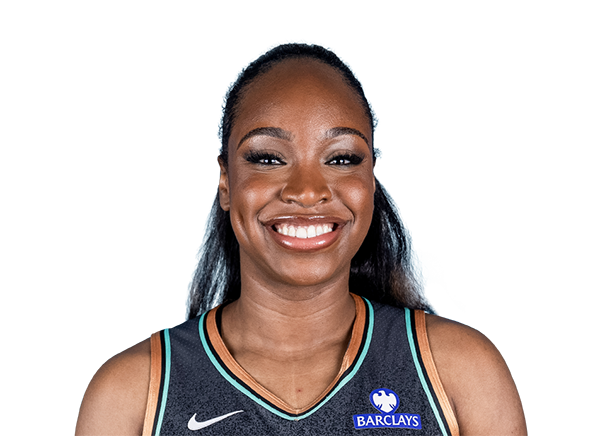
Frequently Asked Questions About Saniya Rivers

What team does Saniya Rivers play for?

Saniya Rivers currently plays for the Connecticut Sun in the WNBA as a G.

Where did Saniya Rivers go to college?

Saniya Rivers not available in public records.

When was Saniya Rivers drafted into the WNBA?

Saniya Rivers was Year: 2025 Round: 1 Pick: 8.

What is Saniya Rivers's playing style?

Check the Playing Style section above for a detailed analysis of Saniya Rivers's strengths and style of play.

Is Saniya Rivers a WNBA All-Star?

Saniya Rivers continues to develop their game at the WNBA level.

Saniya Rivers · Complete WNBA Player Profile

Data via ESPN API & AI Research · Last updated: June 1, 2026

By Super Admin | June 01, 2026 | 0 Comments