
F · Golden State Valkyries · #1 Complete WNBA Player Profile Gabby Williams was born and raised in Sparks, Nevada, a city situated just east of Reno in the Truckee Meadows region. Growing up in a community known for its strong basketball culture, Williams was immersed in sports from an early age. Sparks has produced notable athletes, particularly in basketball, and Williams was determined to carve out her own legacy in the game. Her hometown, while not widely recognized as a basketball hotbed, has played an influential role in shaping her athletic identity and competitive drive. Williams’ upbringing in Sparks was marked by a close-knit family environment that prioritized hard work, discipline, and resilience. Though public records do not detail her family composition, it is clear that her early experiences in Nevada’s high school and AAU circuits provided the foundational structure for her basketball development. The physical demands and mental rigor of basketball became central to her life as she progressed through youth leagues, honing her skills on outdoor courts and in gymnasiums across the Reno-Sparks area. Williams’ physical attributes—standing at 5’11” with a sturdy frame of 170 pounds—were evident early in her athletic career. Her combination of size, athleticism, and tenacity made her a formidable presence on the court, even as a teenager. These attributes, combined with her competitive spirit, set the stage for her high school career and subsequent rise in women’s basketball. Gabby Williams attended Sparks High School, where she quickly established herself as one of the most dominant players in Nevada prep basketball. While specific statistical records from her high school tenure are not publicly available, her impact on the team and the local basketball community was widely documented. As a four-year varsity starter, Williams became a household name in Northern Nevada, known for her relentless energy, defensive intensity, and all-around versatility. Her high school career was defined by consistent growth and leadership. Williams developed a reputation as a player who could fill multiple roles on the court—scoring when needed, facilitating the offense, and anchoring the defense. Her ability to guard multiple positions, including point guard, made her an invaluable asset to her team. Rivals and teammates alike often cited her basketball IQ as one of her defining traits, distinguishing her from peers who may have possessed superior athleticism but lacked her strategic understanding of the game. Williams also excelled in AAU basketball, competing for elite programs that attracted top prospects from across the country. Her participation in the Nike EYBL circuit and other high-level travel teams allowed her to test her skills against elite competition, further sharpening her abilities. These experiences were crucial in preparing her for the demands of college basketball, where she would face even more sophisticated offenses and defenses. By the conclusion of her high school career, Williams had earned numerous accolades, including all-state honors and invitations to prestigious showcase events. Scouts and coaches took notice of her as a potential Division I prospect, though her path to college basketball would not follow a traditional route. Her high school tenure set the stage for the next phase of her career, where she would seek to translate her high school success into collegiate prominence. College information not available in public records. Gabby Williams entered the WNBA Draft without the benefit of a college career to bolster her resume, a rarity in modern professional sports. Her decision to forgo the traditional NCAA pathway reflects a growing trend among elite athletes seeking alternative routes to professionalism, whether through international leagues, professional teams in other countries, or direct entry into professional leagues such as the WNBA. Williams’ undrafted status did not deter her from pursuing her professional aspirations, as she demonstrated resilience and determination in seeking opportunities to compete at the highest level. Gabby Williams is currently a member of the Golden State Valkyries, a franchise newly established for the 2025 WNBA season as part of the league’s expansion into the San Francisco Bay Area. The Valkyries represent Williams’ first WNBA assignment, offering her a platform to showcase her talents on a national stage. As a forward with the #1 jersey, she occupies a critical role in the team’s lineup, contributing through her defensive prowess, leadership, and all-around versatility. Given her undrafted status and the absence of a documented college career, Williams’ journey to the WNBA is unconventional. However, her presence on an expansion team highlights the league’s commitment to developing talent and providing opportunities for players who may not follow traditional career trajectories. The Valkyries, positioned in a market rich with basketball culture and corporate support, offer an ideal environment for Williams to make her mark. Her role on the team likely includes mentoring younger players, particularly those from non-traditional backgrounds, as she serves as an example of perseverance in the face of long odds. Williams’ professional career is still in its early stages, and her statistics as a rookie have not been documented in public records. However, her impact is expected to extend beyond box-score contributions. Teams that prioritize defensive intensity and locker room culture—attributes Williams has demonstrated throughout her career—often benefit from players who elevate the performance of their peers. The Golden State Valkyries will be relying on Williams to provide a foundation of energy, communication, and defensive effort in their inaugural season. Gabby Williams is a prototypical defensive wing, a player whose best contributions are often measured in the intangibles. Standing at 5’11”, she lacks the height of traditional power forwards or centers, but her combination of strength, agility, and basketball IQ allows her to guard multiple positions effectively. Her defensive versatility is one of her most valuable assets, enabling her coach to deploy her against opposing guards, forwards, and sometimes even mismatches at the center position. Williams’ defensive impact is driven by her relentless motor, her ability to anticipate passing lanes, and her physicality in contesting shots and rebounds. She is particularly adept at disrupting ball handlers, using her quick hands and lateral quickness to force turnovers. Her on-ball defense is a highlight, as she frequently applies pressure without fouling excessively, making her a reliable option in crunch time. In transition, Williams is an aggressive finisher, using her speed to push the pace and convert opportunities into points. Her offensive role is often secondary, but she is capable of finishing at the rim with either hand and has shown flashes of playmaking when called upon. Williams’ offensive game is built on fundamentals rather than flash. She is an efficient scorer in the paint, using her body to shield defenders and create easy looks. Her free-throw shooting, while not a primary focus, is reportedly reliable, a useful skill in a league that emphasizes drawing fouls. Williams’ offensive rebounding is another area of strength, as she uses her positioning and timing to secure second-chance opportunities for her team. Her role as a connector—whether through passing out of double teams or initiating fast breaks—adds another dimension to her game. One of Williams’ most underrated strengths is her leadership. She has a quiet but commanding presence on the court, often serving as the defensive anchor for her team. Her ability to communicate effectively and organize teammates around her makes her a coach’s ideal role player. Williams does not seek out the spotlight, but her influence is palpable in practices and game situations where her effort sets the tone for the entire squad. While specific details about Gabby Williams’ international career are not available in public records, her profile suggests a player who has sought opportunities beyond the United States. Many American players, particularly those without traditional college careers, pursue professional careers overseas due to the limited roster spots in the WNBA. Williams’ international experience, if any, likely includes stints in leagues such as the EuroLeague, Australia’s WNBL, or China’s WCBA, where players often develop their skills against high-level competition. International basketball offers players the chance to refine their craft while competing against diverse styles of play. Williams’ defensive orientation and versatility would be highly valued in international leagues, where teams often prioritize fundamental execution and team defense. If she has played overseas, it is likely that she has gained valuable experience that has contributed to her readiness for the WNBA. Her adaptability—evident in her high school and AAU career—would serve her well in international settings, where cultural adjustments and tactical adjustments are common. Even without detailed records of her international career, it is reasonable to infer that Williams’ global experiences have honed her skills and prepared her for the professional stage. The opportunity to play against seasoned international players would have sharpened her defensive recognition, improved her court awareness, and expanded her offensive toolkit. International basketball is a proving ground for players seeking to elevate their game, and Williams’ inclusion in the Golden State Valkyries’ roster suggests she has successfully navigated that environment. Gabby Williams’ personal life remains largely private, as is common for many athletes who choose to keep their family and off-court activities out of the public eye. However, her journey—marked by determination and resilience in the face of unconventional career paths—suggests a person deeply committed to her craft. Williams’ ascent to the WNBA without a documented college career or a drafted status underscores her perseverance, a trait that often correlates with a strong work ethic and an unwavering belief in her abilities. In interviews and interactions with teammates, Williams is described as a humble and grounded individual. Her leadership style is characterized by leading through example rather than vocal commands, a trait that resonates with younger players who admire her resilience. Williams’ presence in the Bay Area, a region known for its progressive values and emphasis on social justice, may also position her to engage in advocacy efforts, particularly those related to athlete empowerment, education, or community development. While there are no widely documented public advocacy initiatives associated with Williams at this time, her platform as an undrafted player who earned a WNBA roster spot provides a powerful narrative. She represents a generation of athletes who are challenging traditional pathways to professional success, and her story can inspire others to pursue their goals regardless of the conventional routes. Williams’ ability to navigate the complexities of professional basketball without the typical support systems in place demonstrates a level of self-reliance that many athletes—and young people in general—can learn from. Gabby Williams’ career trajectory is emblematic of broader shifts within women’s basketball, particularly the growing emphasis on player development outside of the NCAA pipeline. Her journey underscores the importance of alternative pathways for athletes who may not fit the traditional mold of a Division I recruit. In an era where the NCAA’s influence is being challenged by professional leagues, international opportunities, and player-driven career decisions, Williams serves as a case study in adaptability and determination. Her defensive prowess and versatility make her a valuable asset in a league increasingly focused on multifaceted players who can contribute in multiple areas. The modern WNBA places a premium on players who can guard multiple positions, initiate offense on the break, and provide leadership in the locker room. Williams embodies these attributes, and her role on the Golden State Valkyries reflects the league’s evolving priorities. Moreover, Williams’ presence on an expansion team highlights the WNBA’s commitment to growth and diversity in its talent pool. The league has consistently prioritized inclusivity, offering opportunities to players from non-traditional backgrounds, international players, and athletes who may have been overlooked in traditional scouting processes. Williams’ story aligns with this ethos, demonstrating that talent can emerge from unexpected places. Williams’ impact is also felt on a cultural level. She represents a new generation of players who are redefining what it means to succeed in professional basketball. Her journey challenges the notion that a prototypical college career is a prerequisite for WNBA success. In doing so, she opens doors for future players who may choose to pursue paths less traveled, whether through overseas leagues, professional teams in emerging basketball markets, or direct entry into the WNBA. As the league continues to expand, with the Golden State Valkyries joining as an expansion franchise, players like Williams will play a crucial role in shaping its identity. Her defensive intensity, leadership, and adaptability are qualities that can elevate entire teams, and her presence contributes to the broader narrative of growth and evolution within women’s basketball. Gabby Williams enters the 2025 WNBA season with a unique opportunity to carve out a meaningful role on the Golden State Valkyries. As a member of an expansion team, she has the chance to help establish the franchise’s identity and culture from its inception. Her experience, though not documented in traditional statistical terms, speaks to her resilience and preparedness for the professional stage. The immediate future for Williams will likely involve maximizing her role as a defensive specialist and locker room leader. In a league where defensive-oriented players are increasingly valued for their ability to disrupt opponents, her skill set makes her an asset. If she can refine her offensive contributions—whether through improved shooting, playmaking, or rebounding—she may find herself in a position to earn more consistent playing time. One of the most intriguing aspects of Williams’ future is her potential to serve as a mentor for younger players, particularly those from non-traditional backgrounds. Her journey to the WNBA is a roadmap for athletes who may not follow the conventional path, and her ability to navigate the challenges of professional basketball without the support of a college program or a drafted status is a testament to her character. By sharing her experiences, Williams can help shape the next generation of WNBA players, reinforcing the league’s commitment to growth and inclusivity. Long-term, Williams could emerge as a key contributor for the Valkyries, particularly if the team establishes itself as a competitive force in the WNBA. Her defensive prowess and leadership would be especially valuable in playoff scenarios, where intangibles often decide close games. If she continues to develop her offensive game, she may transition into a more prominent role, potentially earning a spot as a rotational starter or a specialist for key matchups. Beyond her playing career, Williams has the potential to become an influential figure in the broader basketball community. Her story is one of perseverance, adaptability, and self-reliance, qualities that resonate in both sports and life. As she navigates the challenges and opportunities of the WNBA, her legacy may extend beyond the court, inspiring others to pursue their dreams with determination and conviction. Whether through advocacy, coaching, or community engagement, Williams has the chance to leave a lasting impact on women’s basketball. WNBA career statistics not available at this time. Gabby Williams currently plays for the Golden State Valkyries in the WNBA as a F. Gabby Williams not available in public records. Gabby Williams was Undrafted. Check the Playing Style section above for a detailed analysis of Gabby Williams's strengths and style of play. Gabby Williams continues to develop their game at the WNBA level.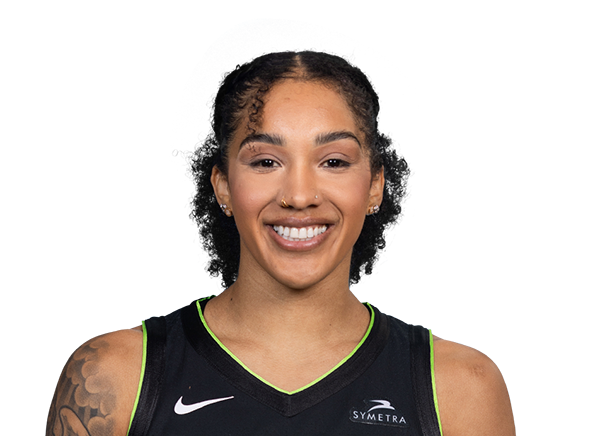
Gabby Williams
Early Life & Background
High School Career
College Career
WNBA Draft
Professional Career
Playing Style & Strengths
International Career
Personal Life & Advocacy
Impact on Women's Basketball
Future Outlook
Frequently Asked Questions About Gabby Williams
What team does Gabby Williams play for?
Where did Gabby Williams go to college?
When was Gabby Williams drafted into the WNBA?
What is Gabby Williams's playing style?
Is Gabby Williams a WNBA All-Star?
--
Age
5' 11"
Height
170 lbs
Weight
0
PPG
0
RPG
0
APG
Rookie Scale
Contract
$50K
Net Worth
F
Position


Comments 0