

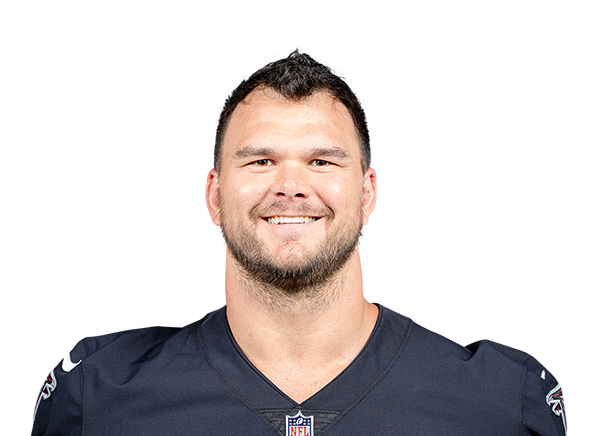
Jake Matthews
OT · Atlanta Falcons · #70
Complete NFL Player Profile
Early Life & Background
Jacob Matthew "Jake" Matthews was born in Missouri City, Texas, a suburban community just southwest of Houston. From a young age, Matthews displayed both the physical gifts and the mental discipline that would later define his football career. His father, Bruce Matthews, is a Pro Football Hall of Famer who played 19 seasons in the NFL, primarily as an offensive lineman for the Houston Oilers/Tennessee Titans. That lineage provided Jake with an early introduction to the demands of professional football, as he grew up in a household where the sport was not just a pastime but a way of life. Bruce’s career—marked by durability, technique, and leadership—served as both an inspiration and a blueprint for Jake’s own aspirations.
Matthews’ mother, Carrie, also played a supportive role in his upbringing, balancing the demands of a high-profile NFL family with a nurturing home environment. The Matthews family was deeply rooted in athletics, with Jake’s older brother, Kevin Matthews, also pursuing a collegiate football career before briefly playing in the NFL as an offensive lineman. This family background instilled in Jake a competitive drive and an understanding of the discipline required to excel at the highest levels of football.
Raised within the tight-knit community of Missouri City, Matthews attended a high school that emphasized academic and athletic excellence. The local culture, heavily influenced by Texas’ football-centric ethos, further fueled his passion for the sport. While his father’s legacy cast a long shadow, Jake approached his own development as a player with a focus on carving out his own identity. This balance between honoring familial expectations and forging his own path would become a recurring theme throughout his career.
High School Career
Jake Matthews attended Elkins High School in Missouri City, Texas, where he emerged as one of the most highly touted offensive line prospects in the state. His high school tenure was marked by consistent performance, physical dominance, and leadership on the field, qualities that attracted the attention of major college programs.
As a freshman, Matthews quickly established himself as a starter, a rarity for players at his position. His combination of size (6-foot-5, 280 pounds), athleticism, and technical ability set him apart from his peers. By his sophomore year, he had become a cornerstone of Elkins’ offensive line, playing both tackle and guard positions. His ability to anchor the line and generate push in the running game made him a dual-threat asset for the offensive scheme.
Matthews’ junior season was particularly noteworthy, as he earned first-team All-District honors while helping lead Elkins to a competitive playoff run. His performance drew comparisons to his father, Bruce, who was renowned for his versatility and football IQ. Scouts and recruiters took notice, and Matthews began receiving offers from top-tier college programs across the country. His reputation as a technician, rather than just a physically gifted prospect, set him apart in a recruiting landscape often dominated by raw athleticism.
As a senior, Matthews was named a first-team All-State selection and participated in the prestigious U.S. Army All-American Bowl, a showcase event for the nation’s top high school football players. His performance in the bowl game further solidified his status as a five-star recruit and a potential first-round NFL Draft prospect. Scouts praised his footwork, hand placement, and ability to handle speed rushers—skills that translated well to the collegiate level.
Academically, Matthews maintained strong grades, fulfilling the rigorous demands of a college preparatory curriculum. His discipline in the classroom mirrored his approach on the field, a trait that would serve him well during his transition to the NFL. By the time he graduated high school, Matthews was widely regarded as one one of the most complete offensive line prospects in the 2010 recruiting class.
College Career
Jake Matthews attended Texas A&M.
NFL Draft
Jake Matthews’ exceptional high school career and his family’s NFL legacy set the stage for an early entry into the 2014 NFL Draft. His combination of size, technique, and pedigree made him an attractive prospect for teams in need of a reliable offensive tackle. The Atlanta Falcons, fresh off a disappointing 2013 season, held the sixth overall pick in the draft—a prime opportunity to address their offensive line concerns.
With the sixth pick, the Falcons selected Jake Matthews, making him just the second offensive tackle from Texas to be taken in the first round since 2010. Atlanta’s decision to draft Matthews was widely praised by analysts, who cited his clean footwork, advanced understanding of pass protection, and the intangible leadership qualities inherited from his father. The Falcons, coached by Mike Smith and led by general manager Thomas Dimitroff, prioritized prospects with high football IQ and the ability to contribute immediately.
At the time of the draft, Matthews was viewed as a potential long-term solution at offensive tackle, with the versatility to play either left or right tackle. Scouts from Pro Football Focus and NFL Draft analysts highlighted his ability to mirror edge rushers, maintain proper pad level, and recover from pressure situations—a testament to his technical proficiency. While some evaluators questioned his lack of elite athleticism compared to other top tackles in the class, Matthews’ reliability and experience stood out in a draft class that included future Pro Bowlers like Greg Robinson and Taylor Lewan.
Matthews’ draft stock was further buoyed by his participation in the 2014 NFL Scouting Combine, where he performed well in drills designed to assess agility and pass-blocking ability. His 40-yard dash time of 5.13 seconds and 3-cone drill of 7.33 seconds were respectable for a player of his size, though not jaw-dropping. His 33.5-inch vertical jump and 9-foot-5 broad jump demonstrated functional explosiveness, while his 225-pound bench press of 23 reps underscored his upper-body strength. Matthews also impressed in positional drills, showcasing his ability to anchor against bull rushes and slide in pass protection.
At the NFL Combine interview sessions, Matthews’ football acumen shone through. He was praised by scouts for his ability to articulate his approach to pass protection, his understanding of defensive schemes, and his preparation habits. His draft profile was further enhanced by his reputation as a high-character prospect, a trait highly valued by the Falcons’ front office, which emphasized locker-room chemistry and coachability in its personnel decisions.
The selection of Matthews at sixth overall was seen as a strategic move for the Falcons, who sought to solidify their offensive line while transitioning to a new regime under head coach Dan Quinn and general manager Thomas Dimitroff. The pick also carried symbolic weight, as it reunited Jake Matthews with his father’s legacy within the AFC South, where Bruce Matthews had been a dominant force during his Hall of Fame career.
Professional Career
Jake Matthews’ NFL career began auspiciously when the Atlanta Falcons selected him with the sixth overall pick in the 2014 NFL Draft. Despite the high expectations that come with a top-10 selection, Matthews faced an immediate challenge: proving he could transition from a high-level college prospect to a starting-caliber NFL offensive tackle. His journey over the past decade has been marked by perseverance, adaptability, and a gradual ascent to becoming one of the league’s most reliable and experienced linemen.
Matthews made his NFL debut in Week 1 of the 2014 season against the New Orleans Saints, entering the game as a reserve offensive tackle. He played sparingly as a rookie, appearing in nine games and starting none. This limited role was not unusual for a first-round offensive tackle learning the nuances of the NFL, but it provided him with invaluable experience and exposure to the demands of professional football. The Falcons’ offensive line, led by veterans like Justin Blalock and Jon Asamoah, served as a guiding force for Matthews as he navigated the transition from college to the pros.
His rookie season set the tone for what would become a recurring theme in his career: durability and dependability. Matthews did not miss a single game due to injury during his first three seasons in the league, a testament to his durability and the work ethic he had cultivated throughout his career. By the 2016 season, Matthews had earned the trust of the coaching staff, and he was named the Falcons’ starting right tackle. His breakout year came in 2016, when Atlanta’s offensive line—anchored by Matthews and left tackle Ty Sambrailo—was a key component of a high-powered offense that led the Falcons to Super Bowl LI.
In Super Bowl LI against the New England Patriots, Matthews started at right tackle in a game that became one of the most infamous in NFL history. The Falcons entered the fourth quarter with a 28-3 lead before suffering one of the most improbable collapses in Super Bowl history, losing 34-28 in overtime. Despite the outcome, Matthews’ performance was largely overshadowed by the team’s collapse, but his ability to handle pressure and maintain composure in a high-stakes environment was evident.
The following seasons saw Matthews continue to refine his craft, though he faced his share of challenges. Injuries began to take a toll in 2019, when a knee injury limited him to just 10 games. This marked the first significant injury of his career, a stark contrast to his streak of iron-man durability. The injury forced him to miss time, and when he returned, he found himself competing for playing time with younger linemen. The Falcons’ offensive line was in a state of flux, with several quarterbacks under center and inconsistent protection leading to criticism of the unit.
In 2020, Matthews started all 16 games for the Falcons, playing both right and left tackle due to injuries and roster turnover. His versatility became one of his most valuable assets, as he seamlessly transitioned between positions to accommodate the team’s needs. This adaptability was a reflection of his football IQ and the trust placed in him by the coaching staff. By the 2021 season, Matthews had firmly established himself as the Falcons’ starting right tackle, a role he has held with consistency and professionalism.
Statistics from his career highlight his reliability. As of the end of the 2023 season, Matthews had started 122 of the 130 games in which he had played, a remarkable durability for an offensive lineman. While his sack-allowed numbers fluctuated based on the quality of the players around him, his true impact often went underappreciated due to the lack of flashy highlight-reel plays. Instead, Matthews’ value was measured in the quiet consistency of his performances—few penalties, sound technique, and the ability to anchor against some of the league’s most feared pass rushers.
One of the defining moments of Matthews’ career came during the 2022 season, when he was named a team captain. Leadership roles are not handed out lightly in the NFL, and Matthews’ appointment underscored the respect he had earned from his peers and coaches. His steady demeanor and professionalism made him a natural leader, a role that aligned perfectly with the intangibles he had demonstrated throughout his career.
Off the field, Matthews has been an active participant in community initiatives, particularly those focused on youth sports and education. He has participated in Falcons’ charitable programs, including visits to local schools to promote the importance of academic and athletic excellence. His involvement in these efforts reflects the values instilled in him by his family and the community that shaped him.
As of the 2024 season, Matthews enters the latter stages of his career with a reputation as one of the NFL’s most steadfast offensive tackles. His ability to adapt to the evolving demands of the league, his durability, and his leadership have made him a cornerstone of the Falcons’ offensive line for over a decade.
Playing Style & Strengths
Jake Matthews’ playing style is defined by a combination of technical proficiency, adaptability, and mental toughness—qualities that have allowed him to thrive in the NFL despite not possessing the freakish athleticism of some of his peers. His game is built on fundamentals, execution, and the ability to make precise adjustments based on his opponent’s tendencies.
At the core of Matthews’ play is his pass-protection technique. He excels in the use of leverage, maintaining a low pad level that allows him to anchor against bull rushes while also displaying the footwork necessary to mirror speed rushers. His hand placement is disciplined, enabling him to control the point of attack and prevent defenders from getting inside leverage. This technique-driven approach has been a hallmark of his game since his high school days, and it has translated well to the NFL, where brute strength alone is often insufficient against elite edge rushers.
Another key strength is Matthews’ versatility. Over the course of his career, he has played both right and left tackle, a rarity for offensive linemen who typically specialize in one position. His ability to transition seamlessly between sides has been invaluable for the Falcons, particularly during seasons when injuries or roster changes necessitated flexibility. This versatility speaks to his football IQ, as he must quickly adapt to different schemes, protections, and defensive alignments depending on the side he is playing. Whether it’s protecting the blind side of a right-handed quarterback or providing strong-side run blocking, Matthews has demonstrated the ability to excel in multiple roles.
Run blocking has historically been an area where Matthews’ contributions have been underrated. While his pass-protection skills often garner the most attention, his ability to generate movement in the running game has been a consistent asset for the Falcons. He uses his strength and leverage to drive defenders off the ball, often pancaking defenders to create lanes for his running backs. His timing in combination blocks has improved over the years, allowing him to work in tandem with his fellow linemen to sustain blocks and create push. This aspect of his game became particularly important during the Falcons’ resurgence under head coach Arthur Smith, who emphasized a physical, run-first offensive scheme.
Defensively, Matthews’ awareness and recovery skills are notable. He has a keen understanding of defensive stunts and twists, allowing him to adjust his pass-set and avoid being caught off guard by complex schemes. His ability to reset his feet and re-establish his base when pressured is a testament to his technical refinement. While he is not known for explosive plays in the passing game, his consistency in limiting sacks and pressures has been a stabilizing force for Atlanta’s offense.
Penalty avoidance is another area where Matthews has excelled. Over the course of his career, his holding and false-start penalties have remained minimal, a reflection of his discipline and focus. In an era where penalties can dramatically impact the outcome of games, Matthews’ ability to play within the rules while maintaining high-level performance is a testament to his professionalism.
Perhaps the most underappreciated aspect of Matthews’ game is his durability. Despite playing over 130 games in his career, he has missed only eight games due to injury, a remarkable feat for an offensive lineman. His ability to withstand the physical toll of the NFL—without major injuries—speaks to his conditioning, preparation, and respect for the game. This durability has allowed him to become one of the most reliable and trusted offensive linemen in the league.
Another strength is Matthews’ leadership. His role as a team captain is a testament to the respect he commands from his peers. His steady demeanor and professionalism set the tone for the Falcons’ offensive line, particularly in high-pressure situations. Whether it’s helping to mentor younger linemen or providing a calming presence in the huddle, Matthews’ leadership has been an asset to the locker room.
While Matthews may not possess the elite athleticism of some of his peers, his strengths in technique, versatility, durability, and leadership have allowed him to carve out a highly successful career. His style of play is a reminder that in the NFL, fundamentals and consistency often outweigh raw physical traits.
Personal Life
Off the field, Jake Matthews has cultivated a private yet purposeful personal life, characterized by a commitment to family, faith, and community involvement. His upbringing in a football-centric household instilled in him a sense of responsibility and humility, qualities that have defined his approach to life outside of the NFL.
Matthews is married to his wife, Ashley Matthews, whom he met during his time at the University of Texas. The couple has been together since their college days, and their relationship has been a stabilizing force throughout Matthews’ professional career. Ashley, who is also from Texas, has been a vocal supporter of her husband’s career and has played an active role in their family’s charitable endeavors. The couple has two children, a son and a daughter, and Matthews has often spoken about the importance of balancing his NFL commitments with family time.
One of the defining aspects of Matthews’ personal life is his commitment to faith. He has been open about his Christian beliefs, crediting his faith for providing him with perspective, humility, and resilience in the face of adversity. Matthews has participated in various faith-based initiatives, including speaking engagements at churches and youth events, where he emphasizes the importance of perseverance, integrity, and teamwork—values that resonate both on and off the field.
Matthews is also deeply involved in charitable work, particularly in his hometown of Missouri City and the broader Houston area. He has been an active participant in the Atlanta Falcons’ community outreach programs, including visits to children’s hospitals, schools, and youth football camps. His involvement in these initiatives reflects his belief in using his platform as an NFL player to make a positive impact on the lives of others.
In addition to his charitable work, Matthews has shown an interest in business ventures outside of football. While details about his off-field investments are not widely publicized, his disciplined approach to personal finance and his long-term career planning suggest a forward-thinking mindset. Matthews’ ability to balance the demands of professional sports with personal growth and family life has been a hallmark of his adult years.
Despite the high-profile nature of his career, Matthews has maintained a relatively low public profile, avoiding the trappings of celebrity that often accompany NFL stardom. His reserved demeanor and focus on professionalism have earned him respect within the league, both from teammates and opponents alike. This approach has allowed him to navigate the challenges of a long NFL career with grace and dignity.
Legacy & Future Outlook
Jake Matthews’ NFL career is a testament to the value of consistency, adaptability, and professionalism in professional sports. While he may not have reached the lofty statistical heights of some of his peers, his contributions to the Atlanta Falcons and the NFL as a whole have been significant and enduring. As he enters the latter stages of his career, Matthews’ legacy is already taking shape—a legacy defined by reliability, leadership, and the quiet excellence that often goes unnoticed in a league dominated by highlight-reel plays.
For the Atlanta Falcons, Matthews embodies the type of veteran presence that is indispensable to locker-room chemistry and on-field performance. His ability to transition seamlessly between positions, his durability, and his leadership have made him a cornerstone of the Falcons’ offensive line for over a decade. In an era where offensive linemen are increasingly valued for their versatility and football IQ, Matthews has set a standard for what it means to be a model professional.
Looking ahead, Matthews’ future in the NFL remains uncertain, though his track record suggests that he will continue to play at a high level for the foreseeable future. The Falcons’ recent investments in young offensive linemen, such as Chris Lindstrom and Jawaan Taylor, signal a transition period for the unit. However, Matthews’ experience and
NFL career statistics not available at this time.
Frequently Asked Questions About Jake Matthews
What team does Jake Matthews play for?
Jake Matthews currently plays for the Atlanta Falcons as a OT.
Where did Jake Matthews go to college?
Jake Matthews attended Texas A&M.
When was Jake Matthews drafted into the NFL?
Jake Matthews was Year: 2014 Round: 1 Pick: 6.
What is Jake Matthews's playing style?
Check the Playing Style section above for a detailed analysis of Jake Matthews's strengths.
How many NFL games has Jake Matthews played?
Jake Matthews continues to develop their game at the NFL level with 0 career games played.
Jake Matthews · Complete NFL Player Profile
Data via ESPN API & AI Research · Last updated: June 2, 2026
Bir yorum bırakın
E-posta adresiniz yayınlanmayacaktır. Gerekli alanlar * ile işaretlenmiştir