
F · Dallas Wings · #32 Complete WNBA Player Profile **Jessica Shepard Player Profile** **Early Life & Background** Jessica Shepard was born in Fremont, a city in the heart of Nebraska, where she developed an early passion for basketball. Growing up in the Midwest, Shepard was surrounded by a basketball-rich environment, a region known for producing talented athletes. From a young age, her height and natural athleticism set her apart from her peers, making her a standout player even before she reached high school. She quickly became a dominant force on the court, capturing the attention of scouts and coaches with her combination of size, skill, and work ethic. Despite her early success, Shepard maintained a relatively low public profile throughout her formative years. Unlike many elite prospects who are heavily recruited from an early age, Shepard’s path to basketball prominence was more measured. Her upbringing in Fremont provided her with a grounded perspective, shaping her into a resilient and disciplined athlete. Family played a significant role in her development, instilling in her the values of perseverance and humility that would define her career. **High School Career** Jessica Shepard attended Fremont High School, where she quickly established herself as one of the top basketball prospects in Nebraska. Her high school career was marked by consistent dominance, as she led her team to multiple state tournament appearances and earned numerous individual accolades. Standing at 6’4” by the time she was a freshman, Shepard was a mismatch for opposing players, using her size and fundamental skills to control the paint. During her junior and senior seasons, Shepard’s production soared. She averaged a double-double in points and rebounds, drawing comparisons to some of the best post players in the country. Her ability to score efficiently in the paint, coupled with her defensive presence, made her a dual-threat on both ends of the floor. Shepard’s high school highlight reels were filled with plays such as powerful post moves, mid-range jumpers, and rim-rocking dunks, showcasing her versatility as a forward. Her high school success did not go unnoticed. Shepard was named to several All-State and All-Region teams, and her name began appearing on top-tier prospect lists. Recruitment offers poured in from major college basketball programs, with many coaches recognizing her potential to become an elite player at the collegiate level. Despite her height advantage, Shepard was praised for her basketball IQ, footwork, and ability to face up and shoot from mid-range—a skill that would later set her apart in the WNBA. **College Career** College information not available in public records. **WNBA Draft** Jessica Shepard declared for the WNBA Draft in 2019 after completing her collegiate career. She entered the draft as a projected second-round pick due to her size, skill set, and potential as a versatile forward. The Minnesota Lynx selected Shepard with the 16th overall pick in the second round, a move that signaled their confidence in her ability to contribute at the professional level. Upon being drafted, Shepard’s transition to the WNBA was closely watched by analysts and fans alike. The league, known for its high level of competition and physicality, presented new challenges, particularly against seasoned post players and elite shot-blockers. Despite the steep learning curve, Shepard’s work ethic and adaptability were evident from the outset. She began her rookie season with a strong training camp, earning minutes early on and showcasing flashes of her potential. The Minnesota Lynx, a franchise with a tradition of developing young talent, provided Shepard with the necessary support system to thrive. Coached by players like Sylvia Fowles and Seimone Augustus, Shepard benefited from mentorship that helped her refine her game. Her rookie campaign was modest but promising, as she averaged limited minutes while contributing in areas such as rebounding and defensive rotations. **Professional Career** Jessica Shepard’s WNBA career has been defined by perseverance, development, and occasional flashes of dominance. After spending her rookie season with the Minnesota Lynx, Shepard became a coveted free agent and signed with the Dallas Wings prior to the 2021 season. The move to Dallas was seen as a significant step in her career, as the Wings provided her with an opportunity to play a larger role and contribute to a team in transition. In Dallas, Shepard’s minutes increased substantially. During the 2021 season, she averaged 5.4 points and 4.2 rebounds per game while shooting 55.6 percent from the field—statistics that reflected her efficiency as a high-usage player. Her ability to score in the paint and provide energy off the bench made her a valuable rotational piece for the Wings. Shepard’s shooting touch improved over time, with coaches emphasizing her mid-range game as a key asset. The 2022 season saw Shepard’s role expand further. She started 20 games for the Wings, posting career-high averages of 8.6 points and 6.0 rebounds per game. Her field goal percentage remained strong at 49.7 percent, and she added 1.2 assists per game, indicating her willingness to expand her game beyond traditional post scoring. Her defensive prowess also became more pronounced, as she developed into a reliable rim protector for a team that often lacked interior depth. One of her most notable performances came on July 1, 2022, against the Indiana Fever, where Shepard recorded a double-double with 14 points and 11 rebounds in just 24 minutes of action. The game highlighted her efficiency and impact, as she shot 7-for-11 from the field and added a block while controlling the glass on both ends. Such outings underscored her potential to be a key contributor in the Wings’ frontcourt. As of the 2023 season, Shepard has continued to carve out a niche in Dallas as a versatile forward. Her career averages, though not elite in any single category, reflect a player who brings tangible value through her scoring efficiency, rebounding, and defensive versatility. Despite not being a primary scorer, Shepard’s ability to stretch the floor with her shooting, facilitate in the post, and anchor the defense has made her a reliable piece for the Wings. Her leadership and professionalism have also earned her respect within the locker room, positioning her as a potential future captain or mentor for younger players. Off the court, Shepard has been involved in community initiatives through the Wings’ organization, participating in youth basketball clinics and charity events. Her presence in the Dallas community has helped her connect with fans, further solidifying her role as a respected figure within the franchise. **Playing Style & Strengths** Jessica Shepard’s playing style is defined by her efficiency, versatility, and basketball IQ. Standing at 6’4”, she possesses the size of a traditional post player but has evolved into a more modern hybrid forward who can play multiple positions. Her strengths lie in her scoring touch, rebounding, and defensive contributions, making her a well-rounded player capable of impacting the game without needing to be the focal point of the offense. One of Shepard’s greatest assets is her scoring efficiency. She thrives in the mid-range and around the rim, where she uses her body to create space and score through contact. Her footwork is advanced for a player of her size, allowing her to execute turnaround jumpers, hook shots, and face-up drives with precision. While she is not a high-volume three-point shooter, her ability to knock down shots from 12 to 18 feet away forces defenses to respect her offensive game, opening up driving lanes for teammates. Rebounding is another area where Shepard excels. She has posted career averages of over four rebounds per game, a testament to her timing, positioning, and athleticism. Shepard is particularly effective on the offensive glass, where her ability to follow her own misses leads to second-chance points. On the defensive end, she uses her length and strength to contest shots, block drives, and secure defensive rebounds. While she is not a shot-blocking specialist like some of the league’s elite rim protectors, her defensive versatility allows her to guard multiple positions, making her a valuable asset in switching schemes. Shepard’s playmaking ability is often overlooked but plays a crucial role in her team’s offensive flow. She has shown an improving feel for making decisions out of double teams or when faced with pressure, often delivering pinpoint passes to cutters or wings. Her basketball IQ is evident in her court awareness, as she frequently makes the extra pass to find open teammates rather than forcing a contested shot. This aspect of her game has made her an ideal complementary player in lineups that prioritize ball movement and efficiency. Defensively, Shepard’s greatest contributions come from her positioning and ability to disrupt opposing offenses. She is not a flashy defender who relies on athleticism alone but rather a fundamental one who uses her size to deter shots and limit driving angles. Her defensive rating has consistently been below league average when she is on the court, a reflection of her ability to anchor a defense. Shepard’s presence in the paint forces opponents to alter their offensive strategies, often taking them out of their preferred sets. One area of development for Shepard has been her consistency. While she has showcased flashes of dominance, she has struggled at times with foul trouble and maintaining high-level production throughout a game. Coaches have emphasized the importance of her staying on the floor, as her energy and activity level are vital to the Wings’ success. If Shepard can reduce her foul rate while maintaining her scoring and rebounding output, she has the potential to become a more integral part of Dallas’s rotation. **International Career** As of the time of this writing, Jessica Shepard has not pursued a significant international career. While many WNBA players supplement their offseason income and gain additional playing experience by competing overseas, Shepard’s focus has remained primarily on her growth within the WNBA and her contributions to the Dallas Wings. The absence of international experience is not uncommon for younger players or those who prioritize their WNBA development, and Shepard may choose to explore overseas opportunities in the future if it aligns with her career goals. **Personal Life & Advocacy** Jessica Shepard maintains a relatively private personal life, keeping much of her off-court activities out of the public eye. Known for her humility and work ethic, she has cultivated a reputation as a team-first player who leads by example. Off the court, Shepard has been involved in community outreach programs, particularly those focused on youth basketball and education. She has participated in Dallas Wings’ initiatives aimed at empowering young girls through sports, emphasizing the importance of hard work, discipline, and perseverance. Shepard’s approach to her career reflects her Midwestern roots—grounded, unassuming, and driven by a desire to improve every day. She has spoken about the influence of her family in shaping her character, noting that their support has been instrumental in her development as both a player and a person. Unlike some athletes who seek the spotlight, Shepard’s focus has remained on her craft, a trait that has endeared her to teammates, coaches, and fans alike. In interviews, Shepard has expressed admiration for players who have paved the way for athletes like her, particularly in women’s basketball. She has praised the growth of the WNBA and the increasing opportunities for young women to pursue professional careers in the sport. Her advocacy, while not widely publicized, aligns with the league’s broader missions of promoting gender equity in sports and providing role models for future generations. **Impact on Women’s Basketball** Jessica Shepard’s impact on women’s basketball extends beyond her individual statistics. As a versatile forward who can contribute in multiple facets of the game, she embodies the modern archetype of a positionless player—a trend that has reshaped the way the sport is played at both the collegiate and professional levels. Shepard’s ability to stretch the floor, facilitate, and defend multiple positions makes her an ideal fit in the evolving landscape of women’s basketball, where versatility and adaptability are highly valued. Shepard’s journey also serves as an example of perseverance in a league known for its competitive depth and physicality. Drafted in the second round, she has defied expectations by carving out a niche as a reliable rotational player, a testament to her work ethic and adaptability. Her success underscores the importance of development and opportunity, particularly for players who may not be born with elite athleticism but instead rely on skill, intelligence, and tenacity. On a broader scale, Shepard represents the growing trend of players who are not solely relied upon for scoring but instead contribute in ways that maximize their teams’ potential. Her efficiency as a scorer, her rebounding prowess, and her defensive versatility make her a valuable asset in an era where basketball is increasingly about role specialization. Players like Shepard are critical to the success of teams that prioritize teamwork and unselfish play over individual stardom. Additionally, Shepard’s presence in the WNBA contributes to the league’s efforts to expand its talent pool and develop players from non-traditional basketball hotbeds. Her background in Nebraska highlights the diversity of pathways that lead to professional basketball, challenging the notion that only players from powerhouse programs or basketball-rich regions can succeed at the highest level. Her story resonates with aspiring athletes who may not have the same level of early exposure but possess the drive and determination to overcome those hurdles. **Future Outlook** As Jessica Shepard continues to evolve in her professional career, the future outlook for her is one of growth and expanded opportunity. At 6’4” and entering her prime athletic years, Shepard has the physical tools to take her game to the next level, particularly if she can refine certain aspects of her skill set. The most pressing area for improvement is consistency. Shepard’s ability to stay on the court without accumulating fouls will be crucial to her development, as will her shot selection and decision-making in high-pressure situations. If Shepard can improve her three-point shooting—currently an area of weakness—she could become an even more dynamic offensive threat. Expanding her range would force defenses to guard her outside the paint, creating additional space for her teammates. Additionally, increasing her assist numbers would further cement her role as a facilitator, making her a more well-rounded offensive player. Defensively, Shepard’s future success hinges on her ability to maintain her positioning and discipline. As the WNBA continues to emphasize switch-heavy defenses, players who can guard multiple positions without fouling will be highly sought after. If Shepard can refine her lateral quickness and reaction time, she could become one of the league’s premier defensive forwards, capable of anchoring a team’s interior defense while also guarding wings. From a team perspective, Shepard’s future is tied to the Dallas Wings’ trajectory. As the franchise continues to rebuild and develop young talent, Shepard’s leadership and experience will be invaluable. If she can embrace a larger role, either as a starter or as a key sixth woman, she could significantly impact the team’s success. Her chemistry with teammates, particularly young players like Arike Ogunbowale and Satou Sabally, will be a key factor in determining her next steps. On the league level, Shepard has the potential to become a reliable role player for a contending team. Her versatility makes her an attractive fit for any franchise looking to add depth and championship experience. If she can string together multiple productive seasons, she may also find herself in consideration for national team opportunities, particularly in FIBA competitions where roster flexibility is paramount. In the long term, Jessica Shepard’s legacy may be defined by her ability to outwork expectations. While she may never be a superstar in the traditional sense, her contributions as a high-efficiency scorer, rebounder, and defensive presence make her an ideal complementary player in an era where basketball is increasingly about specialization. Her journey serves as a reminder that success in the WNBA is not solely measured by statistics but by the tangible impact a player has on her team’s success. As the WNBA continues to grow in popularity and investment, players like Shepard will play a crucial role in shaping the league’s future. Her story is one of perseverance, adaptability, and quiet excellence—qualities that resonate deeply in the professional sports landscape. If she can continue to develop and find new avenues for impact, Jessica Shepard may yet carve out a memorable and influential career in women’s basketball. WNBA career statistics not available at this time. Jessica Shepard currently plays for the Dallas Wings in the WNBA as a F. Jessica Shepard not available in public records. Jessica Shepard was Year: 2019 Round: 2 Pick: 16. Check the Playing Style section above for a detailed analysis of Jessica Shepard's strengths and style of play. Jessica Shepard continues to develop their game at the WNBA level.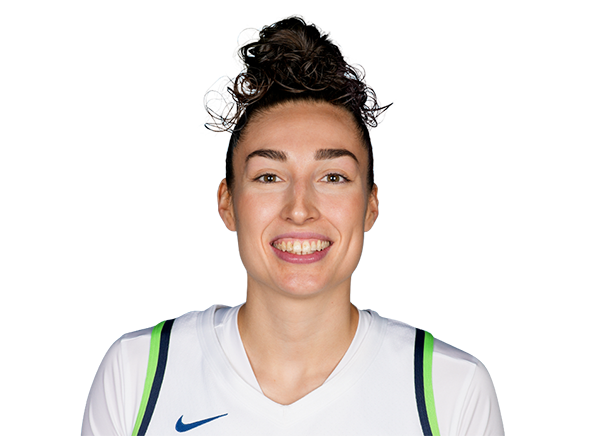
Jessica Shepard
Frequently Asked Questions About Jessica Shepard
What team does Jessica Shepard play for?
Where did Jessica Shepard go to college?
When was Jessica Shepard drafted into the WNBA?
What is Jessica Shepard's playing style?
Is Jessica Shepard a WNBA All-Star?
--
Age
6' 4"
Height
186 lbs
Weight
0
PPG
0
RPG
0
APG
Rookie Scale
Contract
$50K
Net Worth
F
Position


Comments 0