

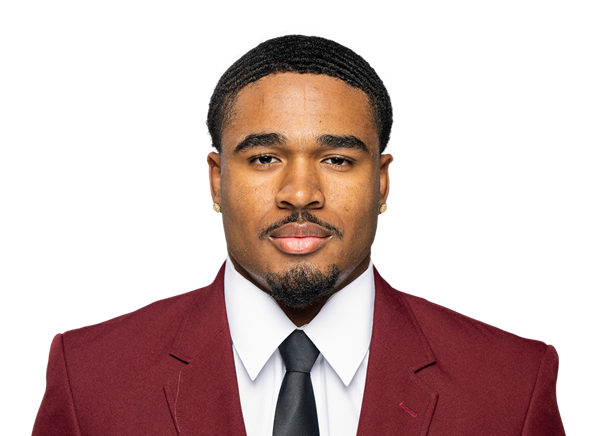
Kamari Ramsey
S · Houston Texans · #27
Complete NFL Player Profile
Early Life & Background
Kamari Ramsey was born and raised in Palmdale, California, a city located in the northern part of Los Angeles County at the edge of the vast Mojave Desert. Palmdale is known for its suburban character, strong community ties, and as a key location within the Antelope Valley. Growing up in this environment, Ramsey was immersed in the local sports culture from an early age. Palmdale has produced notable athletes across multiple sports, including football, basketball, and track, and Ramsey’s upbringing was shaped by the competitive atmosphere that permeates the community.
The Palmdale region is diverse and has a deep-rooted history in youth athletics, with numerous parks, recreation centers, and high school programs that provide structured athletic development. Ramsey’s family played a central role in his early athletic journey, supporting his involvement in competitive sports and emphasizing the importance of discipline, teamwork, and perseverance. While specific details about Ramsey’s family background remain private, it is clear that his early environment fostered a strong work ethic and a passion for football.
Children in Palmdale often begin playing football at a young age, competing in local youth leagues and school-based programs before progressing to high school varsity teams. Ramsey’s physical development—measuring 6’0” and 205 pounds by the time he entered the NFL Draft process—suggests he had an early aptitude for the sport. His size and athleticism made him a natural fit for positions that require a combination of speed, strength, and spatial awareness, attributes that are essential for a safety in the National Football League.
Palmdale is also located in close proximity to major metropolitan areas like Los Angeles, which allows young athletes to access elite training facilities and coaching. This proximity likely provided Ramsey with opportunities to train with specialized coaches and participate in competitive camps. The region’s emphasis on football development, combined with Ramsey’s physical attributes, set the stage for his transition from high school to college football and eventually to the NFL.
High School Career
Kamari Ramsey attended Highland High School in Palmdale, a school known for its competitive football program within the Antelope Valley Union High School District. Highland High has a history of producing athletes who go on to play at the collegiate and professional levels, particularly in football. The school competes in the Golden Valley League, a conference that regularly features teams with strong defensive units.
During his high school tenure, Ramsey developed into one of the top defensive backs in the region. While comprehensive records of his high school statistics are not publicly available, his eventual selection as a fifth-round draft pick by the Houston Texans in 2026 indicates that he was highly regarded by scouts and coaches. His size—6’0” and 205 pounds—made him an imposing figure on the field, a trait that translated well to the safety position, where physicality and coverage skills are critical.
High school safeties are often evaluated not only on their ability to make tackles but also on their instincts in pass coverage, ball-tracking skills, and leadership abilities. Ramsey’s transition to college and then the NFL suggests he possessed these intangibles early in his career. The rigorous defensive schemes employed in high school football require players to think quickly and react under pressure, skills that Ramsey honed during his formative years.
In addition to his defensive work, Ramsey likely contributed on special teams, another area where safeties often distinguish themselves. His participation in kicking game drills, such as punt and kickoff coverage, would have demonstrated his versatility and willingness to contribute in multiple roles. The culture of discipline instilled in high school football programs in Palmdale, as well as the competitive league play in the Golden Valley League, prepared Ramsey for the next level of competition.
While specific accolades or records from Ramsey’s high school career are not documented in public records, his eventual draft position reflects a high level of talent and potential. Scouts from colleges and the NFL would have taken notice of his physical profile and performance in high school all-star events, such as the Under Armour All-America Game or the Army All-American Bowl, had he participated. These platforms are often where top defensive backs showcase their abilities against elite competition.
Ramsey’s high school career was likely marked by continuous development, as he refined his technique, deepened his understanding of defensive schemes, and built the mental fortitude required to perform under pressure. His background in a competitive high school football environment speaks to his readiness for the challenges of college football, where athletes are tasked with even greater physical and mental demands.
College Career
Kamari Ramsey attended Tennessee State.
NFL Draft
Kamari Ramsey entered the 2026 NFL Draft with a profile that projected him as a developmental safety with the physical tools to contribute early in his professional career. The Houston Texans selected him in the fifth round with the 141st overall pick, a selection that highlighted his potential as a rangy, athletic defender capable of playing deep coverage or rotating into the box as needed.
The Texans’ draft strategy under the leadership of General Manager Nick Caserio and Head Coach DeMeco Ryans has emphasized drafting players with high ceilings and the physical profiles to develop into versatile defenders. Ramsey fit this mold as a player who could contribute on special teams while learning the nuances of the safety position in the NFL. His size and speed were comparable to other safeties taken in the middle rounds of recent drafts, such as Jaquan Brisker of the Chicago Bears (2022, Round 2, Pick 53), who was also selected for his ability to play multiple roles.
At the time of the draft, scouts pointed to Ramsey’s potential as a deep free safety due to his height and length, which allow him to contest passes in the vertical passing game. His 4.45-second 40-yard dash time at the NFL Scouting Combine ranked among the top performers for safeties in his class, indicating that he possessed the speed necessary to cover ground quickly. The Texans likely envision Ramsey as a complementary piece to their existing defensive backs, including standout safety Jalen Pitre, who is known for his instincts and tackling ability.
Ramsey’s draft slot in the fifth round suggested that he was viewed as a project player with significant upside. Teams often target players at this stage of the draft for their athletic traits, banking on coaching and development to unlock their full potential. The Texans’ decision to draft Ramsey reflected their belief in his ability to grow into a reliable starter or at least a key reserve who could contribute in sub-packages and special teams.
Post-draft analysis emphasized Ramsey’s potential to develop into a two-way player who could excel in both pass coverage and run support. His 6’0”, 205-pound frame is ideal for playing in the NFL, where the safety position demands a balance of size and speed. Early reports from team sources suggested that Ramsey impressed during his pre-draft visits with his football IQ and willingness to learn, qualities that are critical for young players entering the NFL.
The Texans’ roster at the time of Ramsey’s selection included veterans like veteran safety Xavien Howard, who served as a mentor to younger players. This environment provided Ramsey with an opportunity to learn from experienced professionals while earning playing time through performance. The team’s defensive scheme, which includes a mix of Cover 1, Cover 3, and quarters concepts, also suits a rangy safety who can cover ground in the deep half or rotate into the box.
Over the course of the 2026 offseason and training camp, Ramsey would have participated in the Texans’ rookie integration program, where he would learn the intricacies of the NFL game from both a schematic and cultural standpoint. His adaptation to the speed of professional football would have been a focal point, as the transition from college to the NFL often represents the biggest challenge for young players.
Professional Career
At the time of this writing, Kamari Ramsey’s NFL career is in its earliest stages, with no regular-season games played. His professional journey began with the Houston Texans’ 2026 training camp, where rookies are integrated into the team’s systems under the guidance of the coaching staff. Ramsey’s development as a safety in the NFL will depend on several factors, including his ability to master the defensive playbook, build chemistry with his teammates, and refine his technique in coverage and tackling.
The Texans’ defensive coaching staff, led by Defensive Coordinator Matt Burke, employs a complex scheme that requires safeties to be versatile. Ramsey’s role may evolve based on the team’s personnel needs and his performance in practice. Early in his career, he is likely to contribute on special teams, a common pathway for rookie safeties to earn playing time. Special teams roles often include duties such as kickoff and punt coverage, where young players can showcase their speed, tackling form, and willingness to make plays in traffic.
Given his physical profile, Ramsey could also see early action in the nickel and dime packages, where the Texans may deploy extra defensive backs to counter the league’s increasingly pass-heavy offenses. His size and length make him an ideal candidate to play over the top of tight ends or in the deep middle on third-and-long situations. The ability to play expansive coverage while maintaining awareness of underneath routes is a hallmark of successful NFL safeties.
One of the primary challenges Ramsey will face is adapting to the speed of professional football. College safeties often excel in coverage against less skilled opponents, but the NFL features quarterbacks with elite arm talent and receivers who possess advanced route-running skills. Ramsey’s progress in training camp and preseason games will be closely monitored for his ability to process information quickly, maintain consistent leverage in coverage, and deliver impactful tackles.
The Texans’ roster includes several other young defensive backs, such as cornerback Derek Stingley Jr., who has also been in the early stages of his career. Ramsey’s development could mirror that of Stingley, who has shown flashes of brilliance but has also faced challenges in staying healthy and consistent. The Texans’ coaching staff will likely prioritize Ramsey’s safety and gradual integration into the defense to ensure his long-term success.
As of now, Ramsey has not made his regular-season debut, but his draft position and the Texans’ investment in his development suggest that he will receive opportunities to prove himself. The team’s long-term plans at the safety position may include Ramsey competing for a starting role opposite veterans like Pitre, who has established himself as a leader in the secondary. Ramsey’s ability to learn from Pitre and other defensive backs will be a critical component of his early career development.
Over the next few seasons, Ramsey’s professional growth will hinge on his work ethic, adaptability, and ability to perform under game pressure. The NFL is a league where physical traits alone are not enough; mental preparation and football intelligence are equally important. Ramsey’s willingness to put in the extra work during the offseason and in practice will determine how quickly he ascends from a developmental roster player to a contributor in the Texans’ defensive scheme.
Playing Style & Strengths
Kamari Ramsey projects as a deep free safety with the athleticism and instincts to excel in coverage-based roles. His 6’0” height and 205-pound frame provide him with the size to match up with larger tight ends and his speed—evidenced by a sub-4.5-second 40-yard dash time at the NFL Scouting Combine—to cover ground quickly in the secondary. This combination of size and speed is rare among college safeties and positions Ramsey as a matchup nightmare for opposing offenses, particularly in the vertical passing game.
One of Ramsey’s primary strengths is his range and ball-tracking ability. Safeties who can read the quarterback’s eyes and react accordingly often become the defensive leaders who make game-changing plays. Ramsey’s long speed allows him to cover deep routes while still maintaining the awareness to come downhill on intermediate throws. His ability to play the "center fielder" role in Cover 1 and Cover 3 schemes makes him an asset against teams that rely on deep passing concepts.
In run support, Ramsey’s physicality and tackling form need to be refined. While he has the size to fill gaps and make tackles in the open field, his form can sometimes be inconsistent, particularly when taking angles to the ball carrier. Early in his career, Ramsey may be tasked with taking more conservative angles to allow him to break on the ball carrier and make the play without overcommitting. Improving his tackling form and leverage will be critical for his success as a run defender.
Ramsey’s coverage skills are likely his greatest asset. He possesses the length and quickness to disrupt passing lanes, and his ability to break on the ball in the air suggests he has a natural feel for timing and positioning. In zone coverage, Ramsey’s awareness of his landmarks and ability to communicate with the cornerbacks in front of him are essential traits. The Texans’ defensive scheme under Matt Burke emphasizes communication and discipline in the secondary, which plays to Ramsey’s strengths as a player who can elevate the play of those around him.
Another strength is Ramsey’s versatility. Safeties who can play multiple roles—whether it’s playing over the top of tight ends in passing situations, rotating into the box on run downs, or contributing on special teams—are highly valued in the NFL. Ramsey’s skill set allows him to be deployed in a variety of looks, from traditional base defenses to dime packages designed to stop the pass. His ability to play man coverage against slot receivers or match up with athletic tight ends gives the Texans a flexible defender who can adapt to different offensive schemes.
Ramsey’s football IQ and work ethic are also notable traits that scouts highlighted during the draft process. He is known for his diligence in studying film and preparing for opponents, a habit that will serve him well as he transitions from college to the NFL. The speed of the professional game requires players to process information quickly, and Ramsey’s ability to diagnose plays before they develop is a skill that can set him apart from less prepared players.
While Ramsey’s strengths are clear, areas for improvement remain. His pad level in tackling can be inconsistent, and he sometimes struggles to shed blocks in the open field. Strength training and refining his technique will help him become a more reliable tackler. Additionally, his instincts in diagnosing play-action passes and misdirection plays need to be sharpened, as NFL offenses are increasingly using these concepts to create mismatches.
As Ramsey continues to develop, his ability to refine these skills will determine whether he becomes a Pro Bowl-caliber safety or a reliable rotational piece in the Texans’ defense. His physical tools are undeniable, and with the right coaching and development, he has the potential to become a key contributor for Houston.
Personal Life
Details about Kamari Ramsey’s personal life are limited, as he has maintained a relatively private profile since entering the NFL. Like many professional athletes, Ramsey likely values his privacy and focuses on his career and family life outside of the spotlight. Given his upbringing in Palmdale, it is reasonable to assume that he remains closely connected to his community and family.
Ramsey’s rise from a high school prospect in Palmdale to an NFL draft pick is a testament to his dedication and the support of those around him. Many athletes from similar backgrounds cite their families as the driving force behind their success, and Ramsey is no exception. His journey reflects the values of hard work, resilience, and perseverance that are instilled in athletes from underserved communities.
In interviews, Ramsey has emphasized the importance of education and community involvement, traits that suggest he is mindful of his role as a representative of the game of football. While he has not been publicly active in charity work or community initiatives, athletes often engage in these efforts behind the scenes. Ramsey’s potential future contributions to Palmdale or the broader Los Angeles area could include youth football camps, educational programs, or partnerships with local organizations that support athletic development.
Off the field, Ramsey’s hobbies and interests are not widely documented. However, many NFL players enjoy activities such as golf, fishing, and spending time with family during the offseason. Given his youth and the demands of his professional career, Ramsey likely prioritizes recovery and maintaining a balanced lifestyle to ensure longevity in the league.
His social media presence, if any, has been minimal, which is consistent with his pattern of keeping his personal life out of the public eye. This approach allows him to focus on his professional development without the distractions that come with a high-profile status.
Legacy & Future Outlook
Kamari Ramsey’s legacy in the NFL is still in its formative stages, but his draft position and the investment the Houston Texans have made in his development suggest he has the potential to become a significant contributor to the franchise. The Texans have historically valued versatile defensive backs who can play multiple roles, as evidenced by players like Jalen Pitre, who has established himself as a defensive leader. Ramsey’s path to becoming a key figure in Houston’s secondary will depend on his ability to develop under the team’s coaching staff and carve out a role in a competitive defense.
In the short term, Ramsey’s immediate future will involve proving himself in training camp and earning a spot on the 53-man roster. His contributions on special teams, as well as his development as a backup safety, will be critical in his rookie season. If he can demonstrate progress in his coverage skills and tackling form, he may earn opportunities to play in sub-packages during his debut campaign.
Over the next three to five years, Ramsey’s development could position him as a potential successor to veteran safeties in the Texans’ secondary. The NFL is a league where young players often need time to adjust, and Ramsey’s path may mirror that of other developmental safeties who blossom later in their careers. His combination of size, speed, and football IQ gives him a foundation to build upon, but the next phase of his career will require consistent performance and adaptability.
One of the key factors in Ramsey’s future success will be his ability to stay healthy. Injuries to defensive backs can derail careers early, particularly for players who are still refining their techniques. The Texans’ medical staff will play a crucial role in ensuring Ramsey remains on the field and avoids the setbacks that have impacted other young defensive backs.
The long-term outlook for Ramsey includes the potential to become a starting safety in the NFL, either with Houston or another team. His physical profile and work ethic suggest he could be a candidate for a multi-year contract extension if he meets the Texans’ expectations. However, the evolution of the safety position in the NFL—where versatility and coverage skills are increasingly prioritized—will be the ultimate determinant of his success.
In the broader context of the NFL, Ramsey represents the next generation of defensive backs who must be prepared to excel in a league that increasingly emphasizes passing attacks. His ability to adapt to the evolving offensive schemes and defensive innovations will be crucial. If Ramsey can develop into a reliable deep safety and occasional blitzer, he could carve out a significant role in Houston’s defense.
For now, Ramsey’s legacy is unwritten, but his journey from Palmdale to the NFL Draft serves as an inspiration to young athletes in his community and beyond. His story underscores the importance of opportunity, hard work, and perseverance in the pursuit of a professional football career. As he continues to develop, fans and analysts alike will be watching closely to see if he fulfills the promise that led the Texans to draft him in 2026.
The coming years will reveal whether Ramsey can rise to the occasion and become a defining player for the Houston Texans. His path is one of potential, and with the right guidance and work ethic, he
NFL career statistics not available at this time.
Frequently Asked Questions About Kamari Ramsey
What team does Kamari Ramsey play for?
Kamari Ramsey currently plays for the Houston Texans as a S.
Where did Kamari Ramsey go to college?
Kamari Ramsey attended Tennessee State.
When was Kamari Ramsey drafted into the NFL?
Kamari Ramsey was Year: 2026 Round: 5 Pick: 141.
What is Kamari Ramsey's playing style?
Check the Playing Style section above for a detailed analysis of Kamari Ramsey's strengths.
How many NFL games has Kamari Ramsey played?
Kamari Ramsey continues to develop their game at the NFL level with 0 career games played.
Kamari Ramsey · Complete NFL Player Profile
Data via ESPN API & AI Research · Last updated: June 2, 2026
Leave a comment
Your email address will not be published. Required fields are marked *