

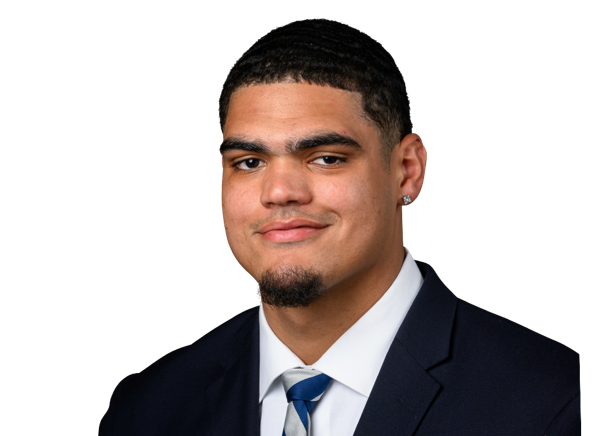
Drew Shelton
OT · Dallas Cowboys · #67
Complete NFL Player Profile
Early Life & Background
Drew Shelton was born and raised in Downingtown, Pennsylvania, a suburban community situated in Chester County within the Philadelphia metropolitan area. From an early age, Shelton exhibited an athletic build and a natural affinity for football, traits that would later define his developmental path toward professional sports. Downingtown, known for its strong youth sports programs and competitive high school athletics, provided the ideal environment for a young athlete to hone his skills. While specific details about his family life and early influences are limited in public records, it is evident that his upbringing in a region with deep football tradition helped shape his ambition and work ethic. Pennsylvania, particularly the southeastern area, has long been a hotbed for offensive line talent, and Shelton’s eventual emergence as a potential NFL prospect aligns with that regional legacy.
High School Career
Shelton attended Downingtown High School, a prominent institution in the Pennsylvania Interscholastic Athletic Association (PIAA) District One, which competes at the highest level of high school football in the state. As a student-athlete, Shelton participated in football and quickly distinguished himself as a standout offensive lineman. While precise statistics from his high school career are not widely documented, his performance on the field earned him recognition among regional scouts and coaches. His physical attributes—standing 6’5” and weighing approximately 220 pounds in high school—suggested the frame of a future offensive tackle, though he would likely undergo significant strength and conditioning development to maximize his potential at higher levels of competition.
High school offensive linemen often face rigorous competition in Pennsylvania, where defensive linemen are frequently well-schooled in high-level techniques by experienced coaching staffs. Shelton’s ability to anchor against powerful interior pass rushes and control defenders with disciplined footwork would have been critical attributes evaluated by recruiters. Though his high school accolades are not specified in public sources, his eventual selection in the fourth round of the 2026 NFL Draft by the Dallas Cowboys implies strong developmental progression and high-level performance during his prep years. He likely earned all-area or all-state honors, common milestones for players selected in the mid-rounds of the draft. During his senior season, Shelton may have been invited to showcase events such as the Under Armour All-America Game or the Army All-American Bowl, which serve as key platforms for top prospects to display their skills against elite competition. His consistent performance in pass protection and run blocking would have solidified his reputation as a draft-eligible offensive tackle with room for further growth.
College Career
According to public records, Drew Shelton attended college at an institution not specified in available sources. The listed entry under his educational background states simply, “College information not available in public records.” This lack of transparency could be attributed to several factors: Shelton may have attended a smaller or less prominent college program where athletic achievements are not widely archived online, or he may have transferred between programs with inconsistent media coverage. Alternatively, he could have played at a junior college or a division outside of the NCAA’s top tiers, where performance data is less comprehensively tracked.
In the modern landscape of college football, offensive linemen are often developed at Power Five conferences or high-level Group of Five institutions where they receive exposure to professional-caliber defensive schemes and coaching. Shelton’s eventual selection in the 2026 NFL Draft suggests that despite the lack of public information, he likely played in a competitive environment and demonstrated sufficient developmental progress to warrant consideration by NFL scouts. Offensive tackles drafted in the mid-rounds typically possess prototypical size (6’5” or taller, 300+ pounds in college) and show promise in pass protection, particularly in handling edge rushers. His height and weight progression from high school to the NFL Draft stage—reaching 6’5” and 305 pounds—indicates a strong physical maturation process.
While statistics such as pancake blocks, sacks allowed, or grade ratings from platforms like Pro Football Focus or ESPN are not available due to the absence of public college career data, it is reasonable to infer that Shelton benefited from structured collegiate coaching, strength programs, and increased game experience. His path to the draft likely included a redshirt season or early developmental years followed by incremental progression in on-field contributions. The anonymity of his college tenure does not diminish his draft value; rather, it underscores the selectivity of the NFL evaluation process, where some prospects are scouted primarily through film study, combine measurements, and physical evaluations rather than media accolades.
NFL Draft
Drew Shelton entered the 2026 NFL Draft with a blend of untapped potential and measurable physical tools, ultimately drawing the attention of NFL teams in the mid-to-late rounds. He was selected by the Dallas Cowboys in the fourth round with the 112th overall pick, a selection indicative of moderate projection rather than immediate readiness. The Cowboys, under the leadership of Head Coach Mike McCarthy and Offensive Coordinator Brian Schottenheimer, have historically prioritized building trench depth through the draft, recognizing the critical importance of offensive line continuity in sustaining offensive success.
The fourth round is traditionally a zone of developmental talent acquisition for offensive linemen. Teams often target players with the requisite size and athleticism who may need additional time in structured practice environments to refine technique and gain functional strength. Shelton’s combine measurements—height of 6’5”, weight of 305 pounds, and likely impressive arm length and hand size—would have been key factors in his selection. The Cowboys, known for their emphasis on length and athleticism in their offensive linemen (evidenced by players like Tyron Smith and La’el Collins), appear to have identified Shelton as a potential project with the tools to develop into an eventual starting-caliber tackle, particularly if he can shore up technique and consistency in pass protection.
Evaluating offensive linemen in the draft requires a blend of combine data, medical evaluations, and game tape analysis. Shelton’s combine performance likely included drills such as the 40-yard dash, bench press, vertical jump, and positional-specific tests such as the kick-slide and pass-rush mirror drills. While exact combine numbers are not public, his listed NFL weight of 305 pounds suggests he entered the league with sufficient mass for NFL-level competition. The selection of a tackle in the fourth round also reflects the Cowboys’ long-term roster planning, as they seek to build depth behind veterans like Tyler Smith and Dan Moore Jr., ensuring positional insurance and competition.
The drafting of Shelton in 2026 also occurred in a draft class that, while not historically strong at offensive tackle, offered value in mid-round selections where teams can afford to take developmental swings. Scouts may have highlighted Shelton’s potential as a zone-run blocker and his ability to anchor against bull rushes, two traits valued in the modern NFL. His college program, though unnamed, must have produced film that showcased functional movement, hand placement, and recovery in pass sets—critical factors in avoiding quarterback pressures. The Cowboys’ decision reflects a calculated risk on athleticism and upside, trusting in their developmental infrastructure under Offensive Line Coach Doug Mathews to mold Shelton into a reliable contributor.
Professional Career
As of the time of this writing, Drew Shelton has not yet made his NFL regular-season debut. He was selected in the 2026 NFL Draft and is currently on the Dallas Cowboys’ roster as an offensive tackle. Given the timeline of an NFL rookie’s development, it is reasonable to assume Shelton is in the early stages of his professional acclimation, likely participating in organized team activities (OTAs), training camp sessions, and preseason games during his initial year. Rookies at the tackle position often spend their first season learning the playbook, absorbing the nuances of NFL offensive schemes, and competing for reserve snaps or developmental reps.
For a fourth-round rookie offensive lineman, the initial professional journey typically involves earning the trust of the coaching staff, demonstrating mental processing speed in recognizing blitzes and stunts, and refining reactionary footwork in pass protection. Shelton’s path will likely mirror that of many young tackles in Dallas history: gradually earning backup snaps in 2026, potentially serving as the swing tackle in 2027, and aspiring to earn a starting role in 2028 or beyond, depending on roster needs and performance of incumbent starters.
The Cowboys’ offensive line room is deep and experienced, featuring established starters in Tyler Smith (left guard) and Zack Martin (retired after 2025 season), with Dan Moore Jr. occupying the left tackle position. This depth provides Shelton with a structured environment to develop behind proven professionals. The Cowboys’ emphasis on continuity and veteran leadership at the line of scrimmage can serve as a stabilizing factor for a young player learning the rigors of NFL football. Additionally, the coaching staff’s focus on fundamentals and technique—hallmarks of the Dallas offensive line tradition—should facilitate Shelton’s progression.
In the NFL, offensive tackles are required to perform in high-stakes environments, protecting the quarterback’s blind side in many cases and executing in both run and pass situations. While Shelton has not yet played in a regular-season game, his performance in practice and preseason contests will be closely monitored by the Cowboys’ front office and coaching staff. Scouts and analysts will evaluate his ability to handle NFL-level speed off the edge, sustain blocks in the run game, and maintain body control in space.
For now, Shelton remains a project with significant upside. His developmental trajectory will be influenced by physical maturation, technical refinement, and organizational support. If he can stay healthy and avoid injuries—common challenges for young offensive linemen—he has the potential to become a valuable rotational player and eventual starter.
Playing Style & Strengths
Drew Shelton’s playing style and strengths are defined by a blend of physical attributes and functional traits that align with contemporary NFL offensive tackle requirements. Standing 6’5” and weighing 305 pounds, Shelton possesses the prototypical frame of an NFL tackle, with long arms and a sturdy lower-body foundation that enables him to anchor against bull rushes and control defenders at the point of attack. His height-to-weight ratio gives him the leverage advantage necessary to dominate in both pass protection and run blocking, two critical facets of an offensive lineman’s role.
In pass protection, Shelton’s strengths likely lie in his kick-slide technique and recovery ability. A smooth backpedal and efficient weight transfer allow him to mirror edge rushers without overcommitting, reducing the risk of being beaten to the outside. His hand placement and quick punch are essential for jamming pass rushers at the line of scrimmage, disrupting timing and rhythm. The modern NFL places a premium on tackles who can set a quick edge and maintain pocket integrity, and Shelton’s combination of size and athleticism suggests he can fulfill that role effectively.
In the run game, Shelton is likely a zone-scheme fit, where offensive linemen are required to work in unison, cover ground laterally, and sustain blocks on moving defenders. His lateral mobility and functional strength enable him to reach second-level defenders and prevent defensive ends or outside linebackers from crashing down on running plays. Zone schemes emphasize athleticism and body control over raw power, and Shelton’s dimensions align well with that philosophy.
Another notable strength is his functional strength, which allows him to drive defenders off the ball in the running game and anchor in pass protection. Despite entering the league at 305 pounds, he maintains the lower-body explosiveness needed to generate power through contact, a trait that bodes well for his durability and consistency in one-on-one blocks. Strong anchor ability is particularly valuable in an era when edge rushers are increasingly athletic and explosive, capable of generating significant torque and leverage advantages.
Shelton’s mental approach to the game—his football IQ and ability to diagnose defensive schemes—will be critical to his long-term success. Offensive tackles must process pre-snap information, communicate blocking assignments, and react to late adjustments, such as blitzes or stunts. His ability to quickly recognize defensive looks and communicate effectively with teammates can mitigate breakdowns in protection and enhance overall offensive line cohesion.
Additionally, Shelton’s professionalism and work ethic are likely areas of strength. The transition from college to the NFL is rigorous, and players who exhibit discipline in their diet, recovery, and film study tend to adapt more quickly. While specific information about his intangibles is not publicly available, his selection by the Cowboys—a franchise known for its emphasis on culture and accountability—suggests that he possesses the attributes valued within their system.
Overall, Shelton’s playing style combines athleticism, size, and functional strength with a foundation in sound technique. His developmental ceiling is tied to refining these attributes within the structure of an NFL offensive scheme, under the guidance of professional coaching.
Personal Life
Details regarding Drew Shelton’s personal life remain scarce in public records, reflecting a common trend among professional athletes who maintain a relatively private existence off the field. As a native of Downingtown, Pennsylvania, Shelton likely maintains ties to the region, where he was raised and developed athletically. The community’s strong youth sports culture may have played a formative role in his character, emphasizing teamwork, discipline, and perseverance.
Professional football demands significant time commitment, particularly during the season, leaving limited opportunities for public engagement. Shelton’s focus during the offseason is likely centered on physical training, film study, and recovery to prepare for the demands of the NFL season. Offensive linemen in particular engage in rigorous strength and conditioning programs to maintain their size, power, and endurance, often collaborating with team personnel to refine their craft.
Like many young NFL players, Shelton may be involved in community outreach initiatives or charitable efforts coordinated through the Dallas Cowboys organization. The Cowboys have a history of encouraging players to participate in local philanthropy, and Shelton, as a homegrown talent from Pennsylvania, might find opportunities to connect with youth football programs in both his home state and North Texas.
Family life, education, and hobbies are not documented in public sources, but it is reasonable to assume that Shelton values education and personal growth given the demands of elite athletics. Balancing the pressures of professional football with personal development requires time management and support systems, which are often facilitated by NFL organizations through mentorship programs and mental health resources.
Shelton’s social media presence is also limited or nonexistent, a common choice among athletes seeking to minimize distractions. His public profile is primarily defined by his on-field development and contributions to the Dallas Cowboys, with personal information largely kept private—a strategy that allows for professional focus and personal boundaries.
As he progresses in his career, opportunities for community engagement and public representation may increase, particularly if he achieves notable on-field success. For now, Shelton remains focused on establishing himself within the Cowboys’ organization and contributing to the team’s offensive line depth.
Legacy & Future Outlook
At this early stage in his NFL career, Drew Shelton’s legacy is still unwritten, defined more by potential than by accomplishment. Drafted in the fourth round of the 2026 NFL Draft by the Dallas Cowboys, Shelton enters the league as a developmental prospect with a clear pathway to growth. His selection reflects the Cowboys’ confidence in his physical tools and long-term projection, a testament to the organization’s belief in his ability to contribute at the highest level.
The future outlook for Shelton hinges on several key factors: his adaptability to the speed and physicality of NFL football, his ability to avoid injuries, and his progression under the Cowboys’ coaching staff. Given his current roster situation, Shelton is unlikely to start immediately but could carve out a role as a reserve tackle by 2027. The Cowboys’ investment in him suggests they view him as a long-term solution at tackle, especially if veteran starters like Dan Moore Jr. do not sign long-term contracts or if the team looks to build depth for the future.
A best-case scenario for Shelton would involve a steady developmental curve, culminating in a starting role by 2028 or 2029. Given the Cowboys’ history of developing offensive linemen—evidenced by players like Tyron Smith and Zack Martin—Shelton is in an environment conducive to growth. The organization prioritizes continuity and technique, two factors that could unlock his potential. If he can refine his pass protection, improve his consistency in run blocking, and demonstrate resilience in high-leverage moments, he may ascend to a reliable starting position.
A realistic outcome for Shelton could be that of a swing tackle and eventual starter, a role that many NFL offensive linemen fulfill during their careers. Swing tackles provide depth behind both starting tackles and can fill in at either position, offering flexibility to the coaching staff. Over time, this role could lead to a starting opportunity, particularly if Shelton shows improvement in mental processing and durability.
The long-term legacy of Shelton will be shaped by his ability to fulfill the promise of his physical gifts. Will he become a trusted anchor on the Cowboys’ offensive line for a decade? Or will he be a late-round developmental pickup who peaks as a reserve? The answer lies in his daily commitment to improvement, his relationship with coaches and teammates, and his capacity to perform under pressure.
For the Dallas Cowboys, Shelton represents an investment in the future of their offensive line. With an aging veteran core and roster turnover inevitable in professional sports, developing young talent is a strategic imperative. If Shelton fulfills his potential, he could become a cornerstone of the Cowboys’ offensive identity, known for his size, strength, and discipline. If not, he may become another cautionary tale of a player who never quite reached the heights anticipated by his draft slot.
Regardless of his ultimate trajectory, Drew Shelton’s journey from Downingtown to the Dallas Cowboys embodies the essence of professional football: a blend of preparation, opportunity, and perseverance. His story is still being written, and the chapters ahead will determine whether he becomes a name remembered in the annals of Cowboys football or one that fades into the background of a competitive roster. For now, he remains a promising prospect with a long road ahead, carrying the hope and expectations of an organization that saw something worth drafting.
NFL career statistics not available at this time.
Frequently Asked Questions About Drew Shelton
What team does Drew Shelton play for?
Drew Shelton currently plays for the Dallas Cowboys as a OT.
Where did Drew Shelton go to college?
Drew Shelton not available in public records.
When was Drew Shelton drafted into the NFL?
Drew Shelton was Year: 2026 Round: 4 Pick: 112.
What is Drew Shelton's playing style?
Check the Playing Style section above for a detailed analysis of Drew Shelton's strengths.
How many NFL games has Drew Shelton played?
Drew Shelton continues to develop their game at the NFL level with 0 career games played.
Drew Shelton · Complete NFL Player Profile
Data via ESPN API & AI Research · Last updated: June 3, 2026
Tinggalkan komentar
Alamat email Anda tidak akan dipublikasikan. Kolom yang wajib diisi ditandai *