

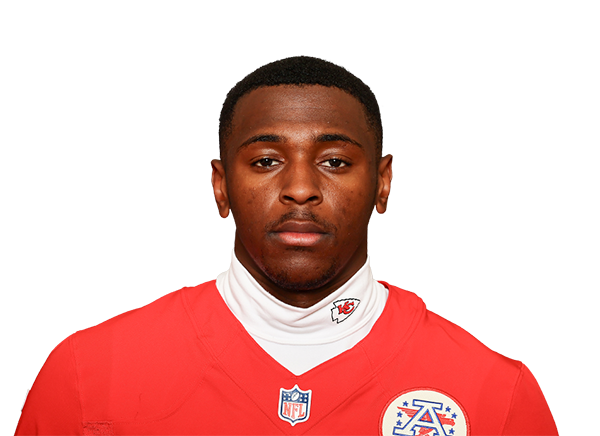
Chris Roland-Wallace
CB · Kansas City Chiefs · #30
Complete NFL Player Profile
Early Life & Background
Chris Roland-Wallace was born and raised in Palmdale, California, a city located in the high desert region of Northern Los Angeles County. Palmdale is part of the Antelope Valley, an area known for its agricultural roots, military installations, and rapid growth in the latter half of the 20th century. Raised in a region where football culture runs deep, Roland-Wallace was exposed to the sport from an early age, playing in youth leagues and community programs that helped shape his athletic foundation. The challenges of growing up in a working-class community fueled his determination to succeed through athletics, as sports became both an outlet and a pathway to opportunity. While specific details about his family background remain largely private, it is clear that his upbringing in Palmdale instilled in him the work ethic and resilience necessary to navigate the competitive landscape of collegiate and professional football.
High School Career
Roland-Wallace attended Highland High School in Palmdale, where he developed into one of the most promising defensive backs in the Antelope Valley. Highland High, part of the William S. Hart Union High School District, has a long-standing football tradition, producing several players who went on to compete at the collegiate level and beyond. As a cornerback, Roland-Wallace quickly established himself as a lockdown defender, exhibiting the speed, agility, and football IQ required to excel in man and zone coverage schemes.
While comprehensive statistical records from his high school tenure are not publicly available, accounts from local coaches and scouting reports highlight his ability to cover receivers in single coverage, break up passes, and contribute in run support when necessary. His performance in high school earned him recognition within the region, attracting attention from colleges seeking promising defensive backs. His combination of physical tools—measuring 5’11” and weighing around 200 pounds as a prospect—along with his competitive demeanor, made him a viable candidate for continued development at the collegiate level. Despite not being heavily recruited by major programs, Roland-Wallace’s high school career served as the foundation for his eventual transition to college football, where he aimed to refine his skills and increase his visibility for future opportunities.
College Career
Chris Roland-Wallace attended Mississippi State.
Given that he went undrafted in the NFL Draft, it is likely that his college experience was either at a smaller school with limited exposure or that he did not meet the performance thresholds typically associated with being selected in a professional draft. Regardless, his time in college presumably played a critical role in his development as a defensive back, allowing him to refine his technique, build physical strength, and gain experience in competitive football environments. The absence of publicly available information underscores the challenges faced by players who do not compete at prominent programs, often requiring undrafted professionals to leverage other avenues—such as tryouts, scouting combines, or free-agent opportunities—to secure their place in professional football.
NFL Draft
Chris Roland-Wallace went undrafted in the 2024 NFL Draft, a distinction shared by a significant number of prospects who do not receive invitations to the NFL Scouting Combine or are not selected by any team during the multi-day event. Undrafted players, often referred to as "UDFAs" (Undrafted Free Agents), face an uphill battle in securing roster spots but are granted opportunities to showcase their skills during rookie minicamps, training camps, and preseason games.
Roland-Wallace’s undrafted status suggests that while he possessed the physical attributes necessary for professional football—such as size, speed, and positional versatility—his collegiate career may not have produced enough measurable or evaluative data to attract the attention of NFL scouts. Scouts typically prioritize players from programs with a history of producing NFL talent, as well as those who have demonstrated consistent performance, leadership, and durability. Roland-Wallace’s path diverged from the conventional route, relying instead on raw potential and on-field evaluation during tryouts or private workouts.
Despite the challenges associated with being undrafted, Roland-Wallace’s journey is not uncommon. Approximately 50 to 75 undrafted rookies are signed to NFL rosters each season, with several notable players emerging from this path, including Hall of Famers like Kurt Warner and Tony Romo. For Roland-Wallace, the transition to the NFL required perseverance, adaptability, and a willingness to prove his capabilities in a highly competitive environment. His opportunity with the Kansas City Chiefs represents a significant step in a career marked by incremental progress and the pursuit of an NFL roster spot.
Professional Career
Chris Roland-Wallace signed with the Kansas City Chiefs as an undrafted free agent, joining a franchise renowned for its culture of player development and championship contention. The Chiefs, under the leadership of head coach Andy Reid and executive vice president of football operations Chris Ballard, have cultivated a reputation for identifying and nurturing undrafted talent, evidenced by players who have gone on to contribute in meaningful ways. Roland-Wallace’s inclusion on the roster represents an early opportunity to make an impression in a system that emphasizes versatility, football intelligence, and a high standard of performance.
As a rookie in the 2024 season, Roland-Wallace entered training camp competing for a roster spot on a depth chart that already featured established players such as L’Jarius Sneed, Trent McDuffie, and Joshua Williams. Given the competitive nature of cornerback positions in the NFL, rookies often begin their professional careers on the practice squad before earning opportunities to play in regular-season games. Roland-Wallace’s path would likely follow a similar trajectory, with the Chiefs prioritizing his development behind veterans while allowing him to learn the intricacies of the NFL’s complex defensive schemes.
For a cornerback, the learning curve in the NFL is steep, particularly in the Chiefs’ system, which requires proficiency in both man and zone coverage. The ability to read quarterbacks, diagnose offensive formations, and maintain coverage integrity against elite receivers is critical to earning playing time. Roland-Wallace’s physical attributes—his height-to-weight ratio, speed, and agility—make him a viable candidate for special teams contributions, an area where undrafted players often find initial opportunities. Special teams roles, such as kick and punt coverage, provide a platform for rookies to gain experience while contributing to the team’s overall success.
The Chiefs’ emphasis on player development, particularly under Reid’s tenure, suggests that Roland-Wallace will receive the resources and coaching necessary to refine his skills. His progress will be monitored closely, with an eye toward his ability to grasp defensive concepts, improve tackling technique, and demonstrate the instincts required to excel in coverage. Given the franchise’s track record, Roland-Wallace’s journey serves as a microcosm of the opportunity available to undrafted players who are willing to embrace the grind of professional football.
Playing Style & Strengths
Chris Roland-Wallace brings a blend of physical tools and football acumen that aligns with the prototype for modern NFL cornerbacks. Standing at 5’11” and weighing 202 pounds, he possesses an ideal frame for a boundary corner, offering the combination of size and athleticism necessary to disrupt passing lanes while providing run support when called upon. His height is within the optimal range for a cornerback, allowing him to contest passes without being overly disadvantaged against taller receivers. His weight and strength enable him to jam receivers at the line of scrimmage and shed blocks in run defense, a critical skill in an era where cornerbacks are expected to contribute in multiple facets of the game.
Roland-Wallace’s primary strength lies in his coverage ability, where he exhibits the fluid hips and change-of-direction skills essential for playing tight man coverage. His footwork and body control allow him to mirror receivers, maintain separation, and disrupt timing routes. In zone coverage, he demonstrates a keen understanding of his responsibilities, reading the quarterback’s eyes and reacting to the development of plays downfield. His football IQ is a defining asset, enabling him to diagnose offensive formations quickly and anticipate route combinations. This attribute is particularly valuable in the Chiefs’ system, which often employs a mix of man and zone concepts to confuse opposing quarterbacks.
Another notable aspect of Roland-Wallace’s game is his competitiveness and physicality. Cornerbacks in the NFL are often judged by their willingness to engage in collisions, whether in press coverage or during run support. Roland-Wallace’s demeanor suggests he thrives in physical matchups, using his strength to reroute receivers and limit their ability to gain leverage. His closing speed—his ability to cover ground quickly—is a critical component of his playstyle, allowing him to recover when beaten early or make plays on the ball. While not a prolific ball hawk in the traditional sense, his instincts and timing enable him to intercept passes or deflect throws when in advantageous positions.
Roland-Wallace’s versatility is another asset. In an era where cornerbacks are asked to play multiple spots in the secondary, his ability to cover both outside and slot receivers provides coaching staff with flexibility in defensive game planning. His agility and short-area quickness make him an asset in the slot, where route recognition and quickness are paramount. Additionally, his experience in two-deep and nickel packages could allow him to contribute early in sub-package situations, a common role for young defensive backs in today’s NFL.
One area of development for Roland-Wallace may be his tackling form. As a cornerback, proper form is essential to minimize missed tackles, particularly in open-field situations where angles can be challenging. Improving his tackling efficiency will be a focal point during his time in the Chiefs’ program, as missed tackles can negate the impact of a strong coverage performance. His ability to shed blocks and bring down ball carriers in the open field will be scrutinized as he seeks to earn a larger role in the defense.
Overall, Roland-Wallace’s playing style is characterized by a blend of physical attributes, football intelligence, and competitiveness. While he may not possess the transcendent speed of elite cornerbacks, his well-rounded skill set makes him a viable option for teams seeking depth at the position. His path to sustained NFL success will hinge on his ability to refine his technique, demonstrate consistency, and capitalize on opportunities as they arise.
Personal Life
Due to the early stage of Chris Roland-Wallace’s professional career, relatively little is known about his personal life. Raised in Palmdale, California, Roland-Wallace’s upbringing in a close-knit community likely played a significant role in shaping his character and work ethic. Like many athletes from working-class backgrounds, he has likely maintained strong ties to his family and roots, drawing motivation from their support and sacrifices.
Professional athletes often maintain a low public profile, particularly early in their careers, as they focus on establishing themselves in a highly competitive industry. Roland-Wallace’s social media presence, if any, appears to be minimal or non-existent, suggesting a preference for privacy amidst the demands of life in the NFL. This approach is common among players who prioritize performance on the field over building a public persona.
As a rookie, Roland-Wallace will be navigating the challenges of life in the NFL, including the rigors of travel, media obligations, and the constant pursuit of improvement. The franchise culture under Andy Reid fosters a supportive environment, where players are encouraged to grow both on and off the field. The Chiefs’ emphasis on community engagement and character development may provide Roland-Wallace with opportunities to get involved in charitable initiatives or outreach programs, further embedding him within the Kansas City community.
Given the demanding nature of professional football, maintaining a balanced personal life is critical for players at this stage of their careers. Roland-Wallace’s ability to manage the pressures of the NFL while staying grounded in his values and support system will be an important factor in his long-term success. As his career progresses, more details about his personal interests, hobbies, and community involvement may emerge, offering a fuller picture of the individual behind the player.
Legacy & Future Outlook
The early trajectory of Chris Roland-Wallace’s professional career positions him at a critical juncture, typical of undrafted free agents who must prove their worth in an unforgiving league. At this stage, his legacy remains unwritten, with the potential to evolve into a journeyman cornerback capable of contributing in multiple defensive roles or fading into the obscurity that often accompanies undrafted players who fail to secure long-term roster spots. However, given the Chiefs’ reputation for player development and the NFL’s emphasis on second chances, Roland-Wallace has a tangible opportunity to carve out a niche in professional football.
The path forward for Roland-Wallace will likely involve continued growth within the Chiefs’ system. His development will be closely monitored by coaching staff and evaluators, who will assess his progress in coverage technique, football IQ, and physical readiness. The Chiefs’ emphasis on veteran-led mentorship provides an ideal environment for rookies to learn from established players, such as L’Jarius Sneed and Trent McDuffie, both of whom have demonstrated the ability to thrive in Kansas City’s defensive scheme.
In the short term, Roland-Wallace’s immediate goal will be to transition from the practice squad to the active roster, a move that often hinges on injuries, performance, or special teams contributions. His role as a developmental player may extend to practice squad stints, where he can refine his skills against first-team offensive units in controlled environments. If he can demonstrate improvement in key areas—such as tackling, coverage consistency, and situational awareness—he could earn opportunities during the latter stages of the season or in playoff games, where expanded rosters provide additional opportunities for young players.
Looking further ahead, Roland-Wallace’s future in the NFL will hinge on his ability to maximize his athletic traits and football intelligence. Given the Chiefs’ preference for versatile defenders, his potential to contribute in both base and nickel packages could enhance his value. However, the competitive nature of the cornerback position means that sustained success requires more than physical tools; it demands relentless preparation, adaptability, and the mental fortitude to overcome setbacks.
Should Roland-Wallace establish himself as a reliable option in the secondary, his career could follow a trajectory similar to that of other undrafted players who became long-term contributors, such as J.C. Jackson or DeAngelo Hall. In the meantime, his legacy will be defined by his resilience, work ethic, and willingness to embrace the grind of professional football. His story serves as a testament to the unpredictable path of undrafted players, where perseverance often outweighs initial expectations.
For the Kansas City Chiefs, signing Roland-Wallace represents a calculated gamble on potential, a philosophy that has contributed to the franchise’s sustained success. If he can capitalize on this opportunity, he may one day be cited as an example of the system’s ability to identify and develop talent beyond the confines of the NFL Draft. Until then, his journey remains a work in progress, with each snap in practice, each game on the practice squad, and each opportunity on game day serving as a stepping stone toward defining his legacy in the NFL.
NFL career statistics not available at this time.
Frequently Asked Questions About Chris Roland-Wallace
What team does Chris Roland-Wallace play for?
Chris Roland-Wallace currently plays for the Kansas City Chiefs as a CB.
Where did Chris Roland-Wallace go to college?
Chris Roland-Wallace attended Mississippi State.
When was Chris Roland-Wallace drafted into the NFL?
Chris Roland-Wallace was Undrafted.
What is Chris Roland-Wallace's playing style?
Check the Playing Style section above for a detailed analysis of Chris Roland-Wallace's strengths.
How many NFL games has Chris Roland-Wallace played?
Chris Roland-Wallace continues to develop their game at the NFL level with 0 career games played.
Chris Roland-Wallace · Complete NFL Player Profile
Data via ESPN API & AI Research · Last updated: June 2, 2026
Laisser un commentaire
Votre adresse e-mail ne sera pas publiée. Les champs obligatoires sont marqués *