

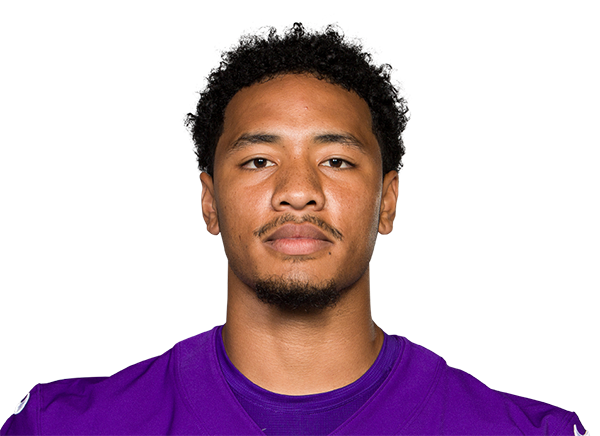
Cam Bynum
S · Indianapolis Colts
Complete NFL Player Profile
Early Life & Background
Cam Bynum’s journey to professional football began in Corona, California, a city in the Inland Empire region of Southern California. Born and raised in a region known for producing athletic talent, Bynum’s upbringing was shaped by the competitive culture of the area, where sports are deeply embedded in community life. Corona has historically been a hotbed for both high school and collegiate football, with proximity to major universities like UCLA and USC influencing local football development. The region’s emphasis on discipline, training, and competition likely played a role in shaping Bynum’s work ethic and approach to the game.
Details about Bynum’s family, early influences, and specific milestones from his childhood remain largely private. However, his path from a high school standout to an NFL draft pick suggests a background defined by dedication and growth. Corona’s competitive youth sports leagues and high school football programs provide a framework for understanding the environment in which Bynum honed his skills. The physicality and speed inherent in California high school football would have been formative in his development as a defensive back, a position that demands sharp instincts and athletic prowess.
High School Career
Cam Bynum attended Centennial High School in Corona, California, during a period when the school’s football program was a consistent contender in the state’s competitive circuit. Centennial, part of the Corona-Norco Unified School District, has a reputation for producing Division I college athletes, particularly in football and track. While specific statistics or highlights from Bynum’s high school career are not widely documented, his eventual selection in the fourth round of the 2021 NFL Draft indicates he was a standout performer on a high-caliber team.
High school safeties in California often face off against elite offensive talent, which helps develop their ability to read plays, diagnose routes, and make plays in coverage. Given the physical demands of the position, Bynum’s high school experience likely emphasized agility, tackling technique, and football IQ. His eventual draft position also suggests he was recognized for his potential to excel at the next level, possibly standing out in combine-style events or during the scouting process for his athleticism and instincts.
College Career
Cam Bynum attended University of California, Berkeley.
NFL Draft
Cam Bynum entered the 2021 NFL Draft as a prospect with intriguing physical attributes and untapped potential at the safety position. Despite limited publicly available college statistics, his draft profile as a fourth-round pick—selected with the 125th overall selection—reflects his perceived value as a developmental player with raw tools. Scouts likely valued his size (6'0", 200 lbs), speed, and intangibles such as instincts, football IQ, or leadership qualities during the evaluation process.
The 2021 draft class featured several standout defensive backs, but Bynum’s selection by the Indianapolis Colts under new head coach Frank Reich suggested a long-term investment in building a young secondary. The Colts’ need for depth and developmental talent at safety may have factored into their decision, aligning with a broader strategy in the early rounds to bolster the defensive unit. Bynum’s draft position placed him in a cohort of players expected to compete for roster spots or practice squad assignments, a common pathway for fourth-round selections.
Professional Career
Cam Bynum’s NFL career to date has been defined by challenges and perseverance, beginning with his arrival in Indianapolis as a rookie in 2021. Despite being drafted in the fourth round, Bynum spent his entire rookie season on the Injured Reserve List (IR) due to a leg injury, which prevented him from making his professional debut and gaining valuable game experience in his initial campaign. The setback underscored the difficulties young defensive backs face in transitioning to the NFL, where the speed, complexity, and physicality of the game can amplify even minor injuries.
In 2022, Bynum was waived by the Colts during final roster cuts on August 30, a common occurrence for developmental players vying for roster spots. The decision to release him before the regular season likely stemmed from a combination of roster constraints, competition within the secondary, and the need to place him on a practice squad or develop him further outside of game action. Shortly after his release, the Colts signed Bynum to their practice squad, a strategic move that allowed him to continue training under NFL coaches while maintaining developmental status. Practice squad assignments often serve as a proving ground for young players, providing an opportunity to refine skills without the immediate pressure of game-day readiness.
Bynum’s 2022 season was marked by his continued presence on the practice squad, where he worked to shore up his coverage skills, tackling technique, and situational awareness. The Colts’ decision to retain him on the practice squad reflected an investment in his potential, particularly as a developmental safety who could contribute to special teams and, eventually, the defensive unit. While specific practice squad statistics or performance metrics are not publicly available, Bynum’s ability to earn and maintain a roster spot in Indianapolis demonstrated his resilience and determination to succeed at the professional level.
In 2023, Bynum was waived by the Colts again during roster cuts on August 29, a move that highlighted the competitive nature of the safety position and the need for players to earn their place early in the preseason. Despite the setback, the Colts signed him back to the practice squad on September 1, 2023, underscoring their ongoing interest in his development. This pattern—being cut and re-signed to the practice squad—is not uncommon for young players, particularly those drafted in later rounds or with physical tools still being refined.
As of the 2024 NFL season, Bynum remains under contract with the Indianapolis Colts, assigned to the practice squad where he continues to develop under the guidance of the coaching staff. His journey reflects the realities of professional football, where talent alone is often insufficient without consistent development, adaptability, and opportunity. The Colts’ patience with Bynum suggests they see long-term value in his potential, whether as a special teams contributor, rotational safety, or eventual starter.
Playing Style & Strengths
Cam Bynum’s playing style is defined by a blend of physicality, athleticism, and football instincts, traits that make him a versatile defensive back capable of contributing in multiple roles. At 6'0" and 200 pounds, Bynum possesses an ideal frame for a modern safety, combining size with the agility needed to cover slot receivers and tight ends. His athletic profile suggests he is well-suited for roles in both deep coverage and underneath zones, where his length and speed allow him to disrupt passing lanes and make plays on the football.
One of Bynum’s key strengths is his ability to diagnose plays quickly, a trait that is cultivated through experience and coaching. Safeties must possess a high football IQ, as they are often the last line of defense responsible for reading the quarterback’s eyes, reacting to route combinations, and filling gaps against the run. Bynum’s size and physicality enable him to deliver authoritative tackles in run support, a critical aspect of the position that underscores his value as an all-around safety.
Coverage versatility is another hallmark of Bynum’s game. His speed allows him to stick with slot receivers in man-to-man situations, while his instincts enable him to break on the ball in zone coverage. The modern NFL places a premium on defensive backs who can handle the versatility required to counter offensive schemes, particularly those that feature heavy use of tight ends and multiple-receiver sets. Bynum’s ability to match up with these types of players positions him as a valuable asset in a league where versatility is increasingly indispensable.
In addition to his defensive contributions, Bynum’s special teams experience likely plays a role in his professional viability. Practice squads often prioritize players with special teams acumen, as these units are critical in shaping field position and game outcomes. Bynum’s size and tackling ability suggest he could be an asset on special teams, particularly on coverage units where defensive backs are tasked with limiting big returns.
Strengths:
1. Physical Tools: Bynum’s size (6'0", 200 lbs) and athleticism provide a foundation for success in coverage and run support. His frame allows him to match up with larger tight ends and running backs while maintaining the speed necessary to cover smaller, quicker receivers.
2. Football IQ: Safeties must process information rapidly, and Bynum’s ability to diagnose plays and react accordingly is a critical aspect of his game. This trait is particularly valuable in pass-heavy offenses where defensive backs must quickly adapt to pre- and post-snap looks.
3. Versatility: Bynum’s skill set suggests he can contribute in multiple roles, whether as a deep safety, a matchup piece against slot receivers, or a run-stuffer in the box. This versatility enhances his value to a defense, particularly in sub-package situations where flexibility is paramount.
4. Tackling: Bynum’s size and technique position him to be an effective tackler, a skill that is essential for safeties who must frequently make open-field stops. His ability to bring down ball carriers with authority can mitigate explosive plays and limit yards after contact.
5. Ball Skills: While specific statistics on interceptions or pass breakups are not publicly available, safeties with Bynum’s physical profile typically exhibit the ability to contest throws and create turnovers. His length and athleticism enable him to disrupt passing lanes and potentially generate takeaways.
Areas for Improvement:
1. Consistency: Like many young defensive backs, Bynum’s development likely hinges on his ability to maintain consistency in his technique and decision-making. The NFL is a league of refinement, where small errors are magnified, and Bynum’s growth will depend on his capacity to limit mental mistakes.
2. Recovery Speed: The ability to recover from mistakes is critical for defensive backs, particularly safeties who are often responsible for preventing big plays. Bynum’s development will hinge on his capacity to quickly reset and react to offensive misdirection or play-action.
3. Strength in Press-Man: While Bynum’s size suggests he could excel in press-man coverage, his ability to jam receivers at the line of scrimmage will determine how effectively he can disrupt timing-based passing attacks. Strengthening his jam technique could enhance his versatility in man-coverage schemes.
4. Injury Resilience: Bynum’s rookie season was cut short by injury, highlighting the importance of physical durability in the NFL. Safeguarding against future injuries and maintaining peak conditioning will be essential to his long-term success.
Personal Life
Cam Bynum maintains a relatively private personal life, with limited public information available about his activities outside of football. Like many professional athletes, Bynum likely prioritizes family, faith, and community involvement as core aspects of his identity. Corona, his hometown, has a strong sense of community, and Bynum’s connection to the area may have influenced his development both on and off the field.
Given his journey through the NFL, Bynum’s personal discipline and commitment to self-improvement are almost certainly key components of his routine. The life of a professional athlete is demanding, requiring adherence to strict training regimens, film study, and recovery protocols. Bynum’s ability to navigate these challenges suggests a level of focus and dedication that extends beyond the football field.
Additionally, Bynum’s experience as a draft pick in 2021 and his subsequent journey through practice squad assignments highlight the mental resilience required to succeed in the NFL. The transient nature of roster spots, particularly for young players, necessitates an inner drive to persist despite setbacks. Bynum’s willingness to continue developing, even after being waived multiple times, underscores his commitment to his craft.
As Bynum’s career progresses, he may become more active in community initiatives or charitable endeavors, particularly in the Corona area where youth sports and education are priorities. For now, however, his focus remains on earning a full-time roster spot and contributing to the Indianapolis Colts’ defense.
Legacy & Future Outlook
Cam Bynum’s legacy in the NFL is still in the formative stages, but his journey offers insight into the realities faced by developmental players in the league. Drafted in the fourth round, Bynum’s career to date reflects the challenges and perseverance required to establish oneself as a professional athlete. His story is emblematic of the millions of athletes who compete at the highest level, where talent and potential are often tempered by setbacks, injuries, and the need for continuous growth.
In the context of the Indianapolis Colts, Bynum represents one of several young defensive backs in the organization’s pipeline. The Colts, under head coach Shane Steichen, are in the midst of a competitive rebuilding phase, emphasizing the development of young talent to complement established stars like Quenton Nelson and DeForest Buckner. Bynum’s role in this equation could expand if he demonstrates the ability to contribute on special teams, provide depth in the secondary, or eventually earn a starting role.
The future outlook for Bynum hinges on several key factors:
1. Developmental Progress: Bynum’s ability to refine his coverage techniques, improve his tackling consistency, and enhance his football IQ will determine his ceiling in the NFL. The Colts’ coaching staff, particularly defensive backs coach James Morris, will play a pivotal role in his growth.
2. Roster Flexibility: The NFL’s evolving rules and offensive schemes place a premium on versatile defensive backs. If Bynum can prove himself as a reliable special teams contributor and a capable rotational safety, he may earn a long-term role within the organization.
3. Opportunity Window: Bynum’s future with the Colts is not guaranteed, as the safety position is highly competitive. However, the organization’s investment in him to date suggests they see potential. If he can seize opportunities in camp or during the season, he may secure a roster spot beyond practice squad assignments.
4. Outside Factors: External variables such as roster changes, coaching transitions, or injuries to other players could create openings for Bynum to step into a larger role. His ability to capitalize on these situations will be critical.
In the broader context of the NFL, Bynum embodies the journey of countless players who must navigate the league’s unforgiving landscape. His story is one of resilience, patience, and the relentless pursuit of improvement. While it remains to be seen whether he will emerge as a standout safety or a reliable contributor, his career thus far serves as a testament to the determination required to succeed at the professional level.
For Bynum, the path forward is clear: continue refining his craft, maximize every opportunity, and embrace the grind of practice squad football with the same intensity he would apply to a starting role. The NFL’s history is filled with players who, like Bynum, began their careers on practice squads but eventually carved out meaningful roles. His legacy will ultimately be defined by his ability to turn potential into production and his willingness to persevere through adversity.
NFL career statistics not available at this time.
Frequently Asked Questions About Cam Bynum
What team does Cam Bynum play for?
Cam Bynum currently plays for the Indianapolis Colts as a S.
Where did Cam Bynum go to college?
Cam Bynum attended University of California, Berkeley.
When was Cam Bynum drafted into the NFL?
Cam Bynum was Year: 2021 Round: 4 Pick: 125.
What is Cam Bynum's playing style?
Check the Playing Style section above for a detailed analysis of Cam Bynum's strengths.
How many NFL games has Cam Bynum played?
Cam Bynum continues to develop their game at the NFL level with 0 career games played.
Cam Bynum · Complete NFL Player Profile
Data via ESPN API & AI Research · Last updated: June 2, 2026
اترك تعليقاً
لن يتم نشر عنوان بريدك الإلكتروني. الحقول المطلوبة مشار إليها بـ *